
Vintage Botanical Art
Vintage botanical art brings the quiet precision of natural studies into a room, offering framed watercolours and prints that capture flowers and fruit with enduring clarity.
Vintage Botanical Art
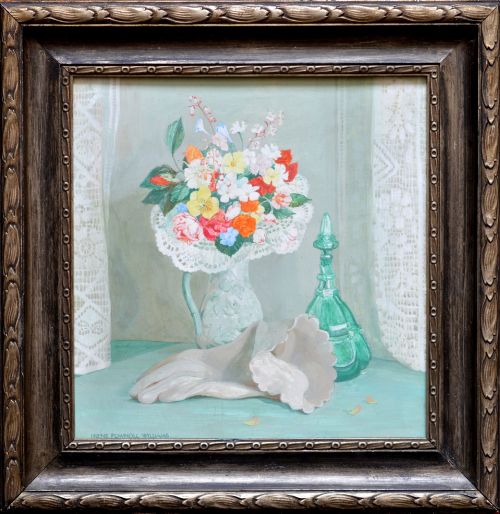
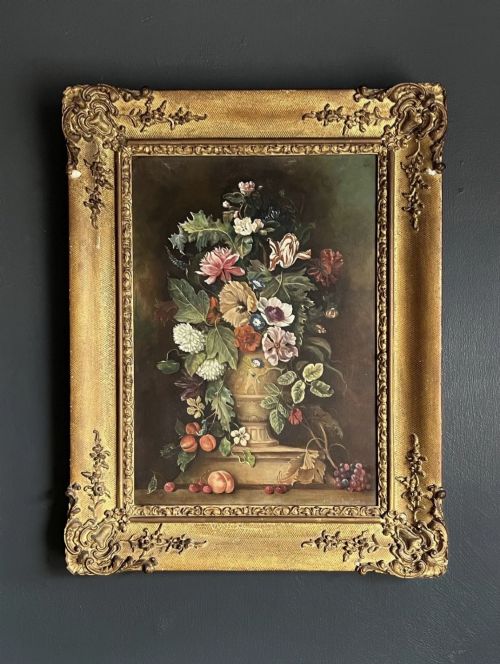
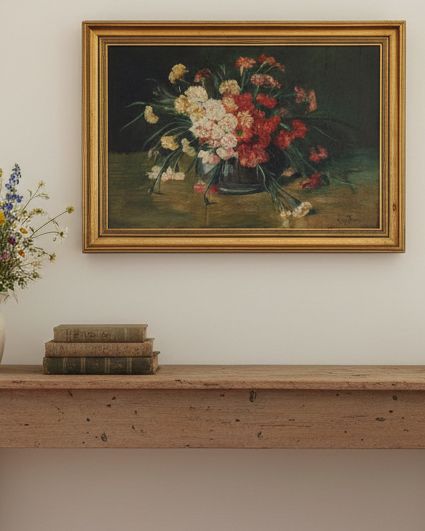
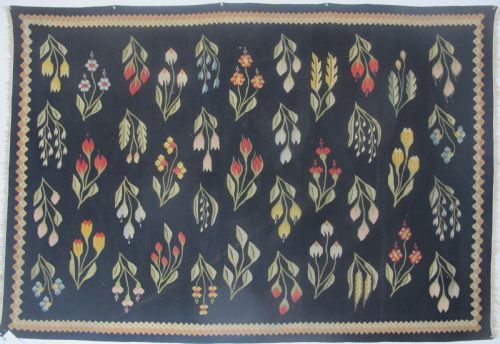
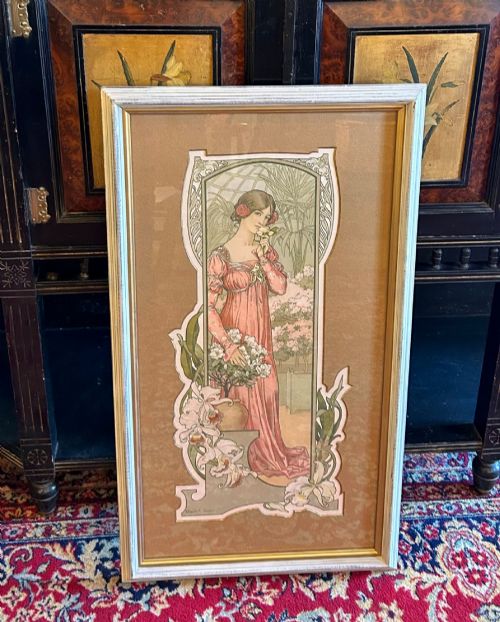
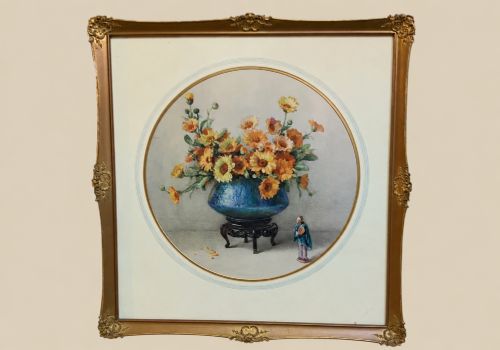
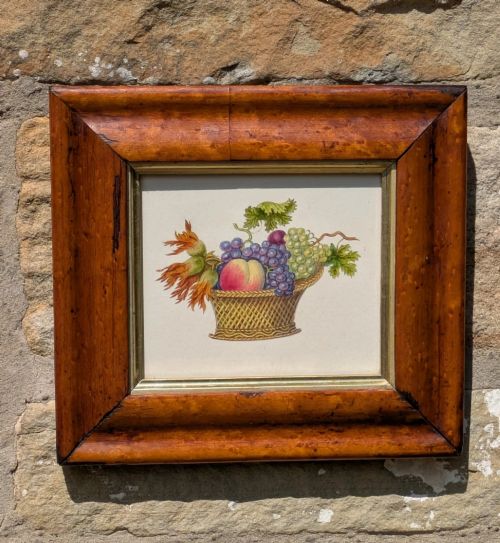
Vintage botanical art encompasses framed watercolours, gouache studies, lithographs and prints depicting flowers, fruit and natural specimens. These works range from nineteenth-century watercolours in rosewood or gilt frames to mid-century oil paintings and twentieth-century prints.
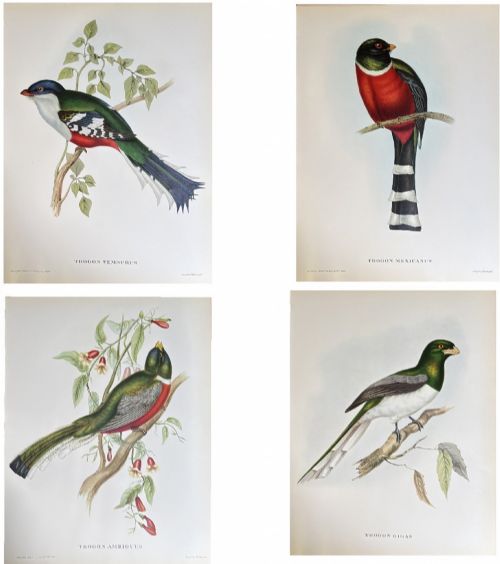
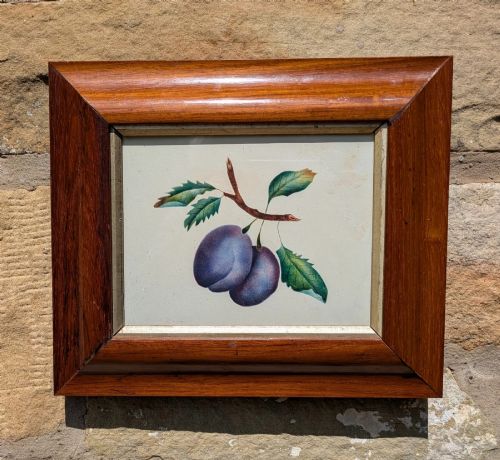
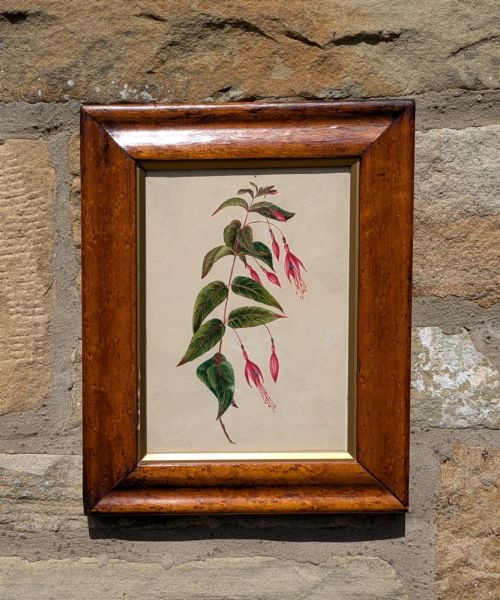
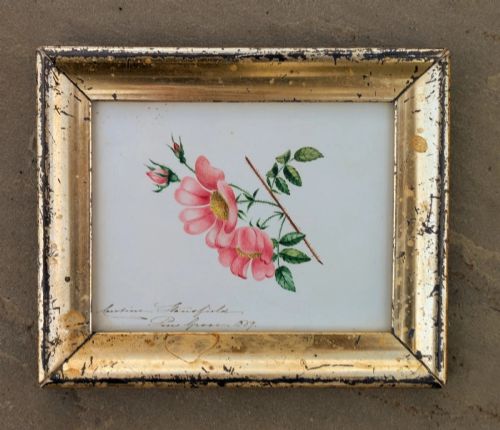
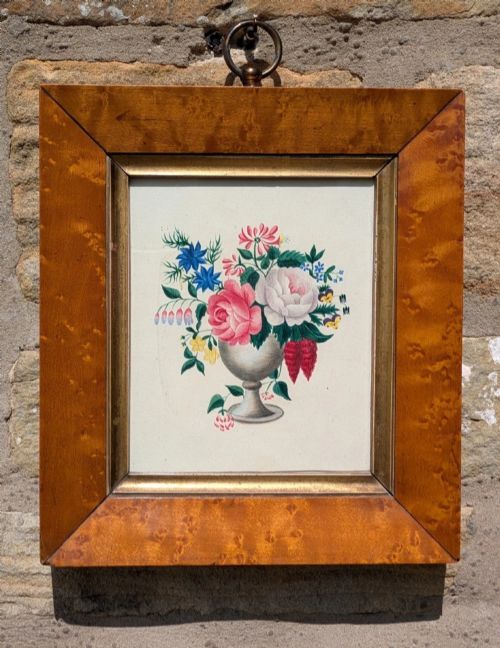
Buyers seeking vintage botanical art will frequently encounter delicate nineteenth-century watercolours of plums, roses and fuchsias alongside twentieth-century still life paintings and tropical bird prints. The selection spans Victorian botanical pieces, Regency works and mid-century interpretations.
The objects take the form of wall art, framed artwork and individual prints designed to bring organic colour and traditional draughtsmanship into domestic interiors.
Materials and technique
Paper and canvas serve as the primary supports for these works, receiving watercolours, gouache, oil paint and lithographic ink applied by hand or press. Wood frames, frequently rosewood, gilt gesso or simple moulded timber, house the paper and canvas pieces.
Techniques range from precise nineteenth-century botanical watercolour washes to twentieth-century lithography and impressionist oil painting. Artists utilised pigmented inks and paints to record the subtle colour gradients of petals and foliage.
Some nineteenth-century watercolours still carry the faint, pressed outline of the actual leaves the artist studied.
The markers of quality
Quality in these pieces rests upon the precision of the draughtsmanship and the sensitivity of the colour palette. Strong works display confident brushwork or sharp botanical accuracy that defines the structure of the plant.
The relationship between the artwork and its original frame influences the overall integrity of the piece. Period frames that complement the age and style of the painting elevate the visual weight of the work.
Elisabeth Sonrel·Konstantin Stoitzner·Emma Fordyce MacRae·Edwin Steele·Émile Gallé
The Vintage Botanical Art Glossary
- Gouache
- An opaque water-based paint that dries to a matte finish, allowing for vibrant colour saturation in botanical studies. It differs from transparent watercolour by containing white pigment to increase opacity.
- Lithograph
- A planographic printmaking technique using a stone or metal plate to produce multiple impressions. This method captures fine lines and tonal gradations found in botanical illustrations.
- Gilt gesso
- A plaster-based material applied to wood frames and carved before receiving a layer of gold leaf. It provides a reflective, ornate border for oil paintings and watercolours.
- Provenance
- The documented history of ownership attached to a piece of art or antique. A clear lineage adds context to nineteenth-century and twentieth-century works.
Vintage Botanical Art: Frequently Asked Questions
How should I hang vintage botanical art?
Keep these works out of direct sunlight to prevent the watercolours and pigments from fading over time. Pairing smaller framed watercolours in a tight cluster creates a traditional gallery arrangement on a wall.
Ensure the hanging fixings match the weight of the wood or gilt frames. Using picture wire secured to sturdy D-rings keeps the artwork stable.
How do I date a botanical watercolour?
Examine the paper stock, framing materials and handwriting on the reverse or signature block. Nineteenth-century pieces often use heavy handmade paper and rosewood frames.
Stylistic shifts also offer clues, moving from rigid Victorian botanical accuracy toward looser mid-century impressionist interpretations in later decades.
Are these pieces original or prints?
The listings include both original hand-painted watercolours and oils alongside vintage prints and lithographs. Examining the surface under magnification reveals brush texture or distinct printing dot patterns.
Original works show pooling pigment and paper indentation from the brush, whereas prints display uniform ink application across the sheet.
How do I care for antique frames?
Dust gilt gesso and wood frames gently with a dry, soft brush to protect the delicate surface finish. Avoid using liquid cleaners or polishes that can strip the gold leaf or damage the timber.
Maintain stable humidity levels in the room to prevent the wood from warping and to protect the paper art housed within.