


Natural History Illustration
Natural history illustration captures the scientific observation of animals and plants across centuries of detailed paper works.
Natural History Illustration
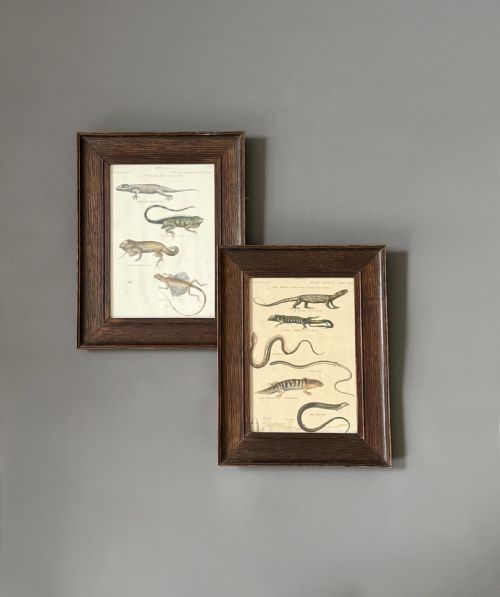
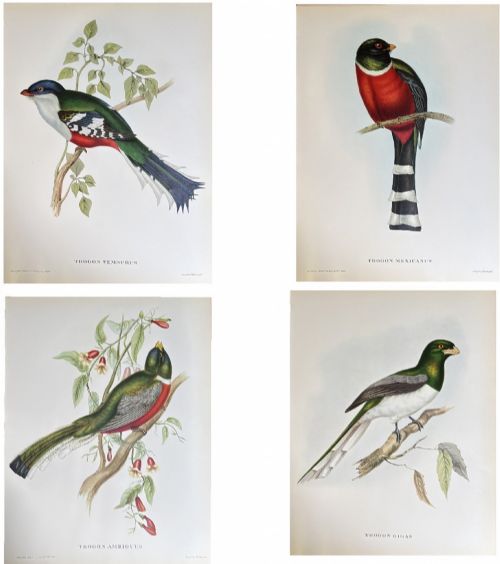
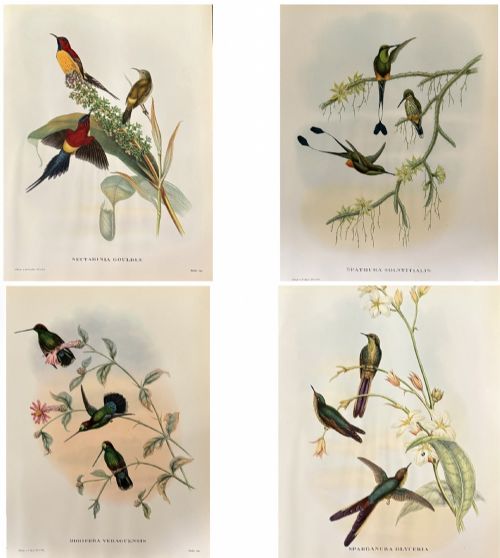
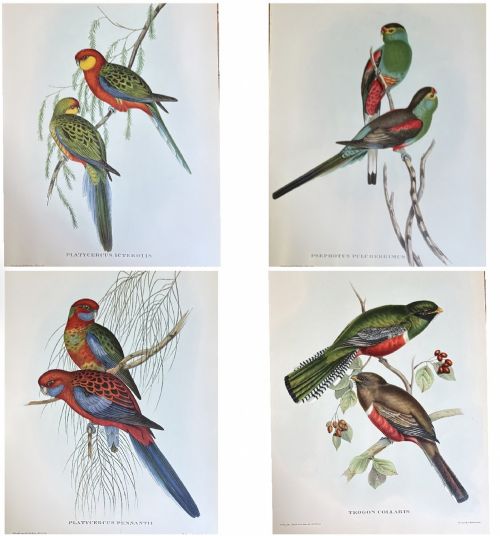
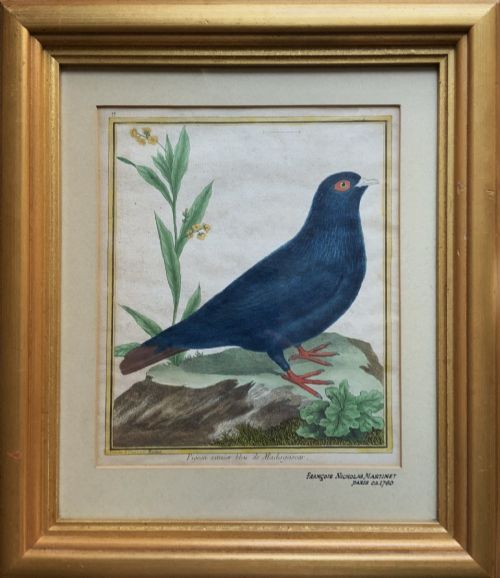
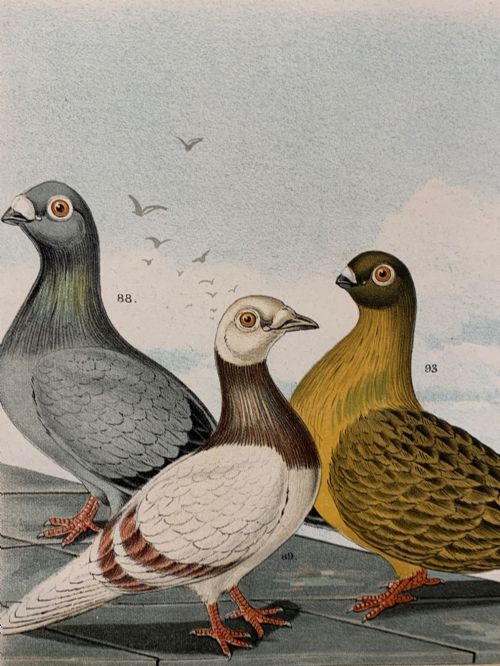
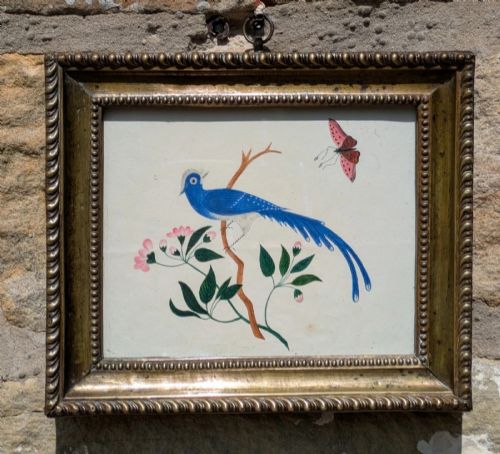
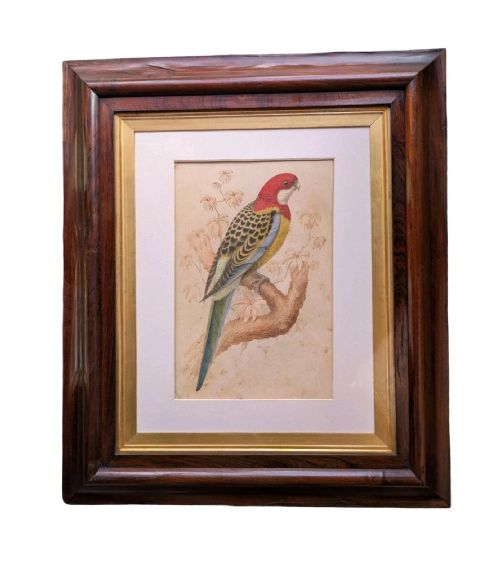
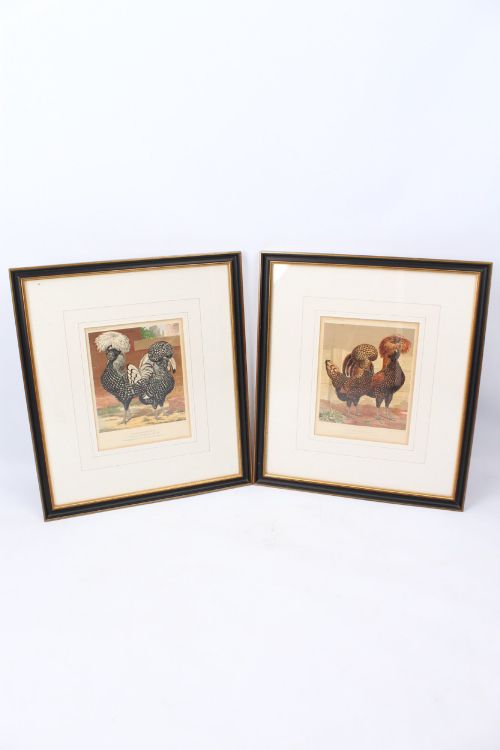
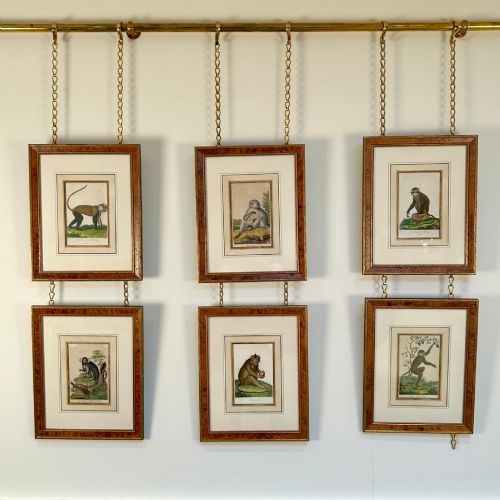
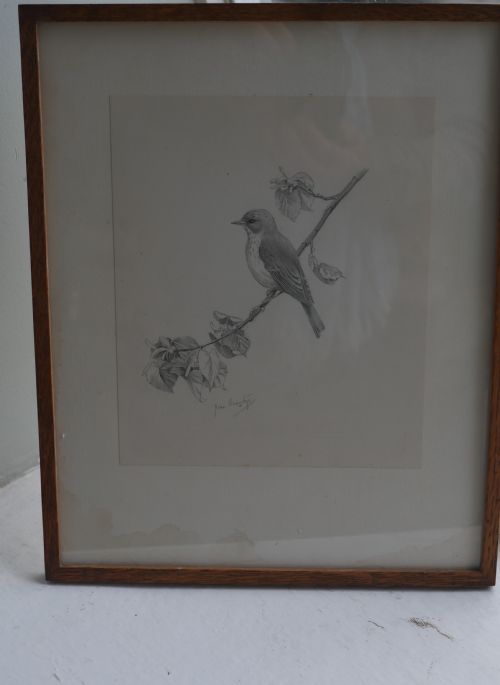
Natural history illustration encompasses framed prints, wall art, and original paintings depicting birds, reptiles, fish, and botanical subjects. Collectors encounter everything from Georgian hand-coloured engravings to mid-century watercolour studies.
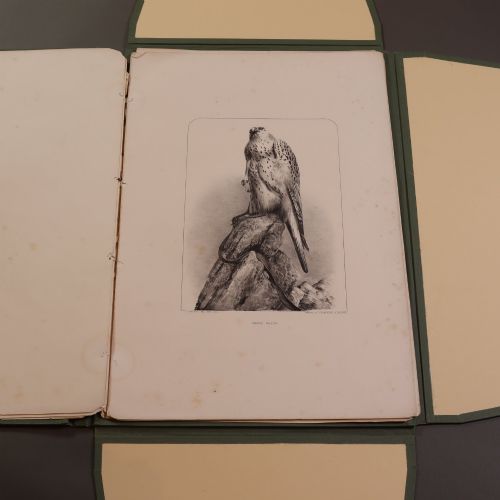
The material ranges from eighteenth-century plates to twentieth-century lithographs and pencil drawings. Pieces frequently arrive framed in wood, gilt wood, or ebonised mouldings with deep mounts.
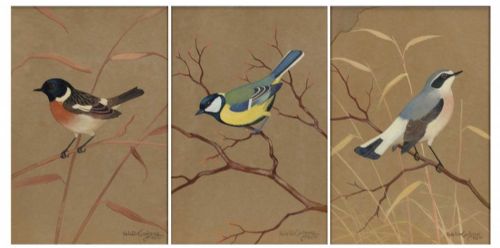
Subjects stretch across ornithological studies, exotic birds, tropical parrots, pigeons, and garden birds alongside marine life, reptiles, and mammals. Sets of multiple plates appear alongside single watercolour paintings.
Materials and techniques
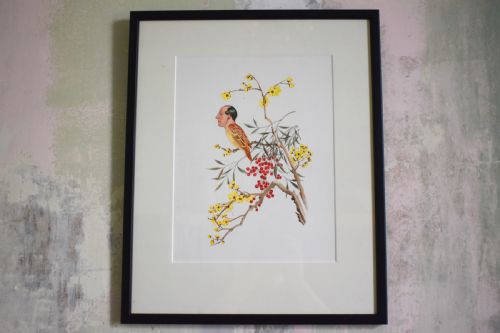
Works on paper rely on traditional media including watercolour, ink, pencil, and gold leaf applied to support sheets. Engravings and lithographs provide the foundational printed line before hand-colouring brings vibrancy to the subjects.
Framing materials incorporate glass, wood, and gilt wood, often enclosing the paper works within deep mounts. Craftsmanship spans copperplate engraving, lithography, and direct brushwork on paper.
Natural History Illustration Retail Price Guide 2026
Typical asking prices for natural history illustration among the pieces listed under this phrase on Sellingantiques today, from the lower quarter to the upper quarter. They describe what is for sale here now, not the wider market.
Mother Faux's macaw maintains an impressive gaze across the centuries.
Distinctions in quality
Quality rests upon the precision of the draughtsmanship and the fidelity of the scientific observation recorded by the artist. Early hand-coloured plates demonstrate particular care in pigment application and tonal gradation across feathers, scales, and foliage.
The integrity of the paper support, the preservation of original hand-colouring without fading, and the quality of historical framing contribute significantly to a piece's standing. Complete sets by documented illustrators hold distinct recognition compared to isolated prints.
William Bird MD FLS·François-Nicolas Martinet·Oliver Goldsmith·John Hancock·Jonathan Couch·Charles F. Tunnicliffe·William Andrews Nesfield·Harry Bright·John Curtis·George Edwards
The Natural History Illustration Glossary
- Lithography
- A planographic printing process utilising a stone or metal plate to produce multiple impressions of an image. It became widely utilised for natural history plates in the nineteenth century.
- Hand-coloured
- A printed image finished manually with watercolours or inks to supply realistic hues to subjects such as birds and plants. This technique adds individual character to each published plate.
- Engraving
- A method where an image is incised into a metal plate with a sharp tool before ink is applied for printing. The resulting lines offer exceptional crispness and detail.
- Ornithological
- Pertaining to the scientific study and depiction of birds. These works form a major category within natural history illustration.
- Gilt wood
- Wood decorated with gold leaf or gold paint, frequently utilised for nineteenth-century picture frames. It provides a reflective border that complements framed artwork.
Natural History Illustration: Frequently Asked Questions
How should I hang natural history prints?
Keep works away from direct sunlight to protect delicate watercolours and hand-coloured inks from fading over time. Consistent indoor humidity prevents damage to the paper supports and wooden frames.
Group related sets together on a wall to maintain the visual balance established by the original series.
Are these pieces original or reproductions?
The inventory comprises period pieces originating from the eighteenth, nineteenth, and twentieth centuries. Each listing reflects the specific printing or painting technique of its era.
Inspect the paper texture, plate marks, and medium under magnification to confirm period production methods.
How do I identify the age of an engraving?
Examine the paper characteristics, typographic style of any printed captions, and watermarks where visible. Reference numbers or publication dates inscribed on the plate often provide clear chronological markers.
Stylistic conventions in engraving and hand-colouring also help narrow the decade of creation.
What is the difference between an engraving and a lithograph?
An engraving is produced by cutting lines directly into a hard plate, resulting in raised ink lines and a distinct plate mark on the paper. A lithograph relies on a chemical aversion between grease and water on a flat stone or metal surface.
Engravings typically present finer linear detail, while lithographs offer softer tonal areas.