


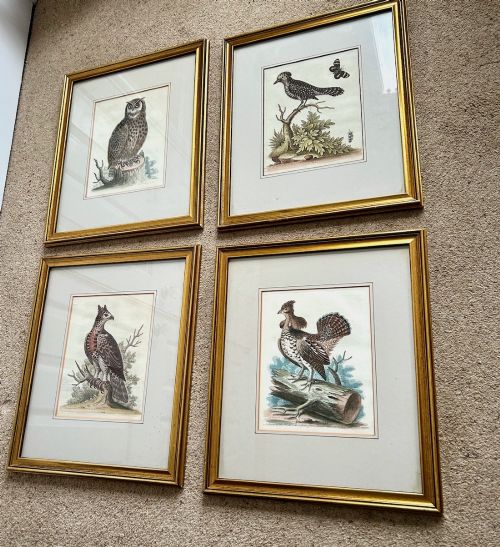


Ornithological Art Print
An ornithological art print brings centuries of natural history study into a room through hand-coloured plates and detailed studies of birds.
Ornithological Art Print
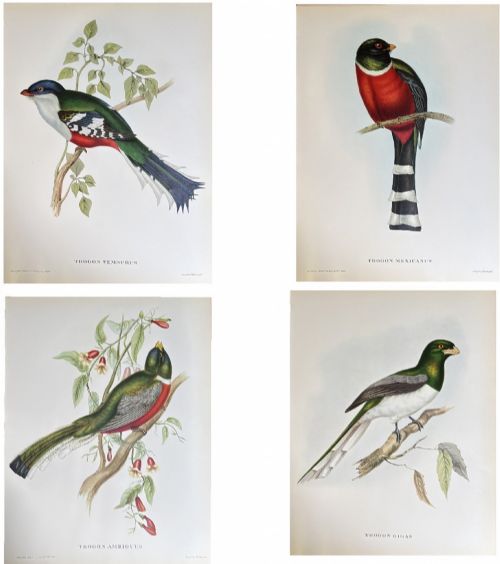
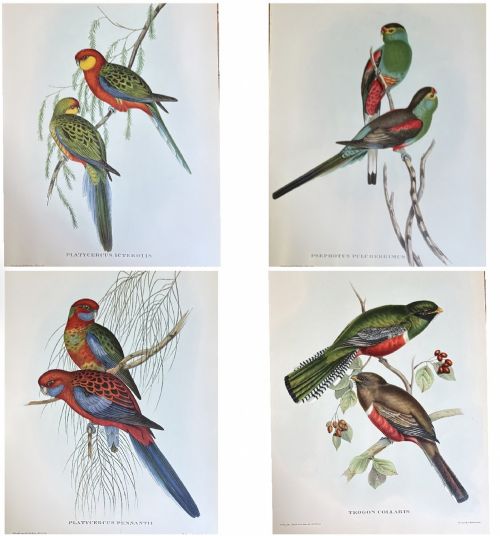
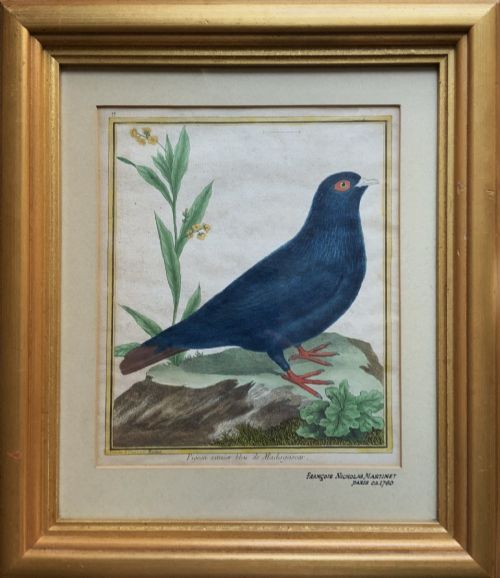
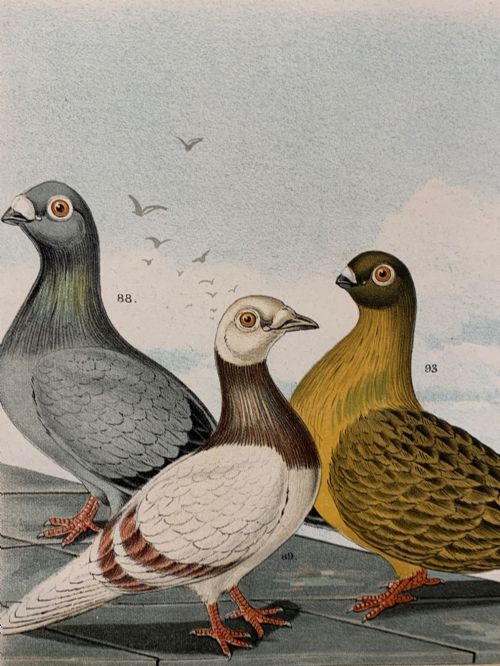
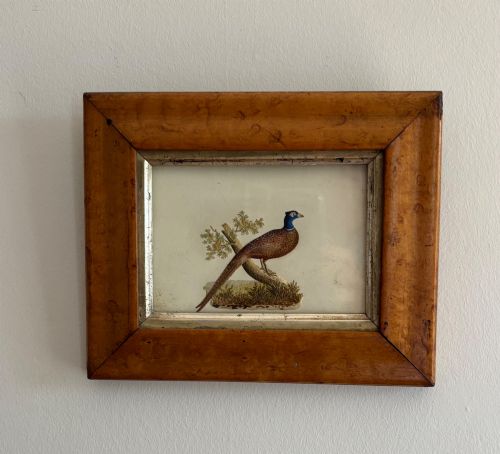
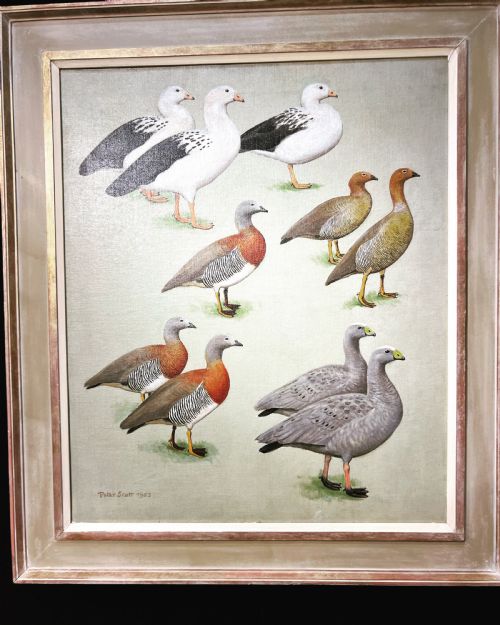
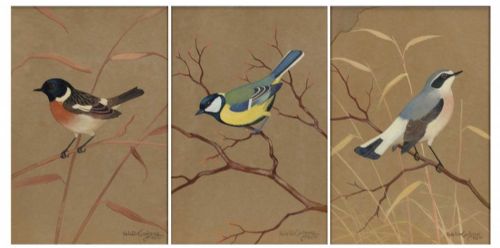
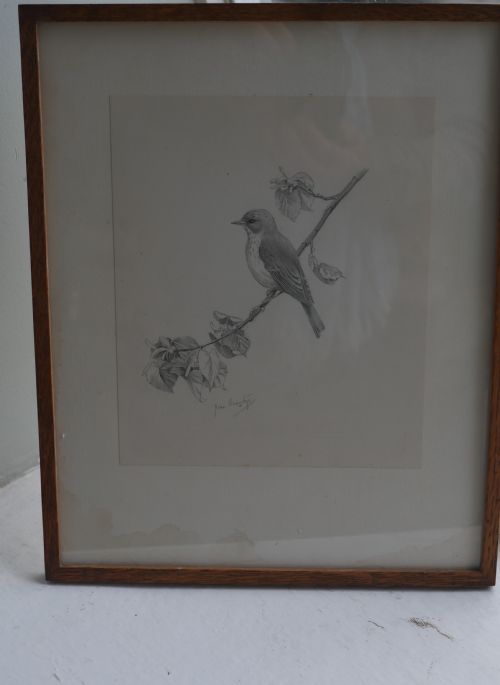
An ornithological art print captures the varied forms of birds through centuries of observation, spanning Georgian engravings and mid-century watercolours. These pieces appear on paper framed in wood, glass, and gilt, recording everything from pigeons and parrots to waterfowl and game birds.
The selection on this page ranges from single sheet engravings to sets of tropical bird prints and original watercolour paintings. Pieces include works by noted illustrators and naturalists across the eighteenth, nineteenth, and twentieth centuries, presented in frames suited to domestic display.
How they were made
These works rely on paper as the primary ground, receiving ink, watercolour, and lithographic pigment. Artisans applied hand colouring to printed lines, bringing individual subjects to life with varied tones.
Framing materials incorporate wood, ebonised elements, and giltwood mounts, protecting the delicate paper surfaces while complementing the domestic interiors of their respective periods.
Periods represented on this page stretch from the eighteenth century through the Georgian and Victorian eras to the mid-twentieth century.
What varies in quality
The distinction between items rests in the precision of the draughtsmanship and the fidelity of the hand colouring applied to the printed line. Earlier works often demonstrate a sharper attention to anatomical detail and plumage texture.
Condition of the paper and vibrancy of the pigments dictate desirability, alongside the completeness of sets and the pedigree of the artist or engraver responsible for the initial study.
François-Nicolas Martinet·Samuel Dixon·George Edwards·Charles F. Tunnicliffe·Arthur Wardle·William Swainson·Edward Lear·Eleazor Albin
The Ornithological Art Print Glossary
- Lithograph
- A print made from a drawing on stone or metal plate. This process allowed for accurate reproduction of fine feathered details.
- Engraving
- An image produced by cutting lines into a metal plate to hold ink. It forms the basis of many early natural history plates.
- Hand colouring
- The application of watercolour or pigment by hand after printing. This technique added realistic colour to monochrome engravings.
- Giltwood
- Wood decorated with gold leaf or gilt. It often forms the ornate mount or frame surrounding a delicate bird study.
Ornithological Art Print: Frequently Asked Questions
How do I hang these prints?
These framed pieces suit domestic walls where direct sunlight is minimal to protect the watercolour pigments and paper from fading over time.
Grouping smaller series together creates a stronger visual impact than scattering individual studies across multiple rooms.
Are these original works?
The selection includes both original hand-painted watercolours and period printed engravings that received contemporary hand colouring by workshop artists.
Examining the surface under magnification reveals the distinction between printed ink lines and direct brushstrokes.
How do I date an engraving?
Dating relies on the paper characteristics, printing technique, and stylistic conventions associated with specific periods like the Georgian or Victorian eras.
Typed or handwritten inscriptions, plate marks, and identifiable publisher details often provide further chronological guidance.
Can I separate framed sets?
Keeping series together maintains their historical integrity and collective visual balance, particularly when dealing with numbered plate sets or uniform species studies.
Splitting matched groups diminishes their character and disrupts the narrative intended by the original publication or artist.