



Vintage Parrot Art
Vintage parrot art brings colour and character into a room through sculptures, prints and paintings spanning the nineteenth century to the mid-twentieth century.
Vintage Parrot Art
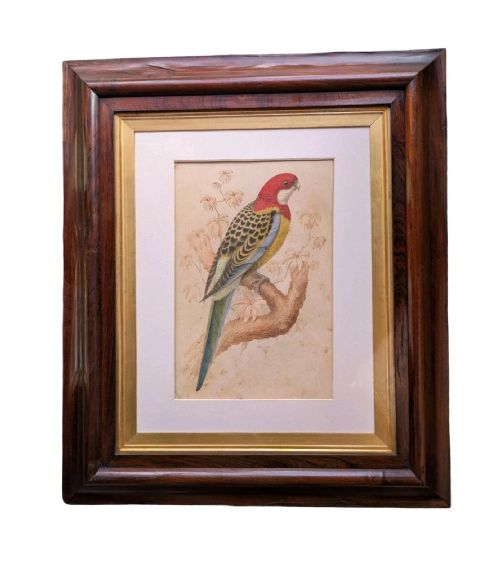
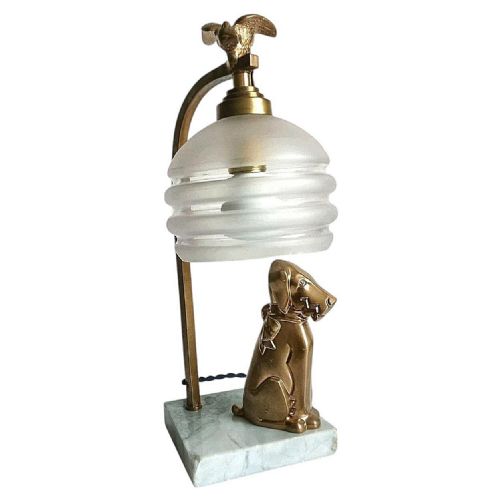
Vintage parrot art encompasses a diverse range of decorative objects, featuring sculptures, watercolours, prints and functional items such as walking sticks and table lamps. These pieces reflect natural history interests and decorative trends from the Victorian era through the Art Deco period.
Buyers encountering this search phrase will frequently find works executed in paper, brass, bronze, marble, ink, paint, watercolour paint and wood. The selection spans distinct aesthetic movements including Art Nouveau, Victorian Natural History and Art Deco design.
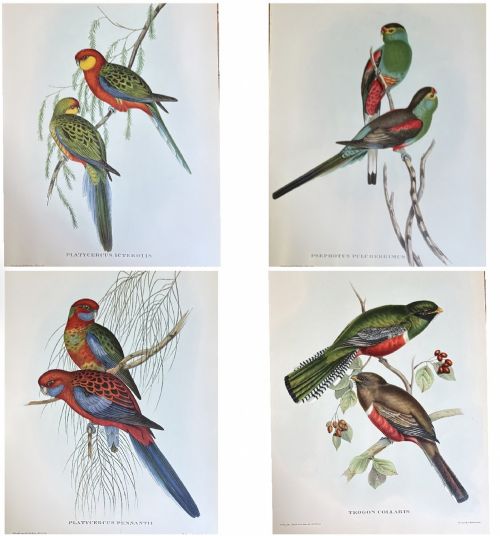
Origins stretch from the late nineteenth century into the mid-twentieth century, capturing both scientific ornithological study and whimsical novelty items. The variety ranges from framed prints and botanical-style illustrations to three-dimensional bronze and ceramic figures.
How they were made
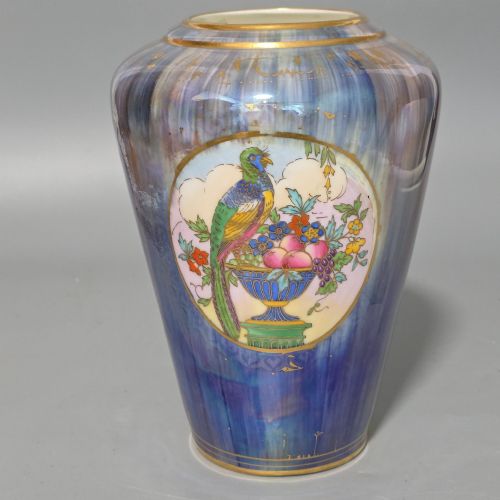
Makers utilised traditional artistic and metalworking techniques, combining hand-painted watercolours on paper with cast bronze and carved wood. Cold painting applied polychrome pigments onto metal surfaces, while pottery production involved hand-enamelled decoration on ceramic bodies.
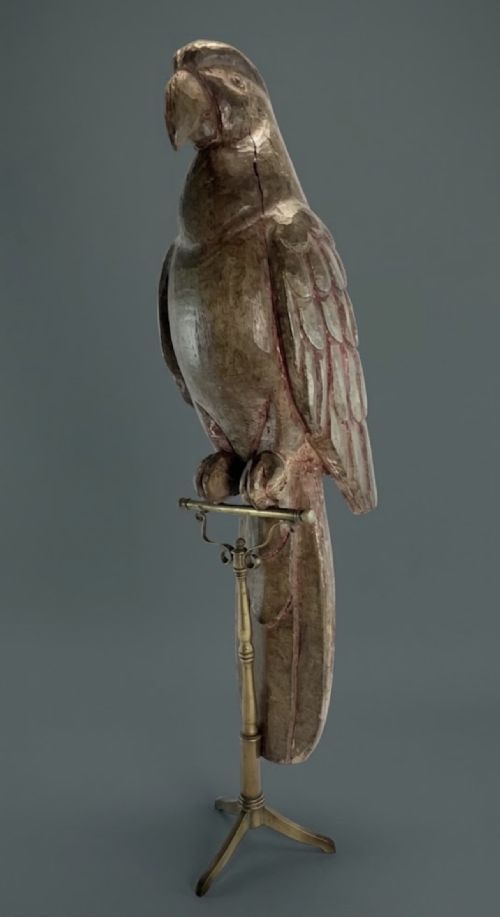
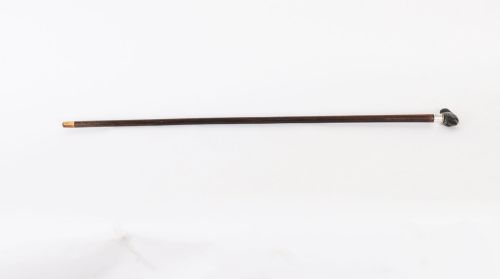
Paper works rely on ink, paint and watercolour techniques to capture natural history subjects with fine detail. Wooden sculptures and utilitarian items like walking sticks demonstrate hand-carving methods paired with applied brass and other metal elements.
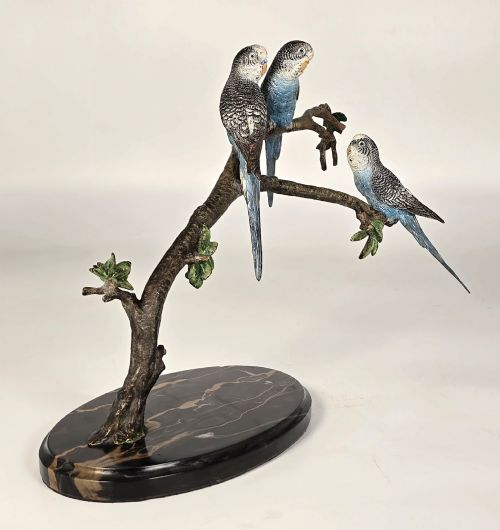
Budgerigars sit perched together on leafy branches, immortalised in cold painted metal.
What varies in quality
Quality in these works is defined by the precision of the rendering and the expressiveness of the form, whether in the fine brushwork of a watercolour or the casting definition of a bronze sculpture. Pieces showing careful attention to naturalistic detail and distinct period characteristics stand apart from simpler decorative items.
The integrity of the materials, such as original cold painted finishes on metal or well-preserved paper and ink in prints, distinguishes superior examples. Maker attribution or artist signatures also elevate certain sculptures and paintings above anonymous production.
The Vintage Parrot Art Glossary
- Cold painted
- A method where enamel paint is applied to unheated metal, typically bronze or spelter, common in Austrian animal figures.
- Art Deco
- A design style spanning the 1920s and 1930s characterised by streamlined geometric forms and vibrant decorative motifs.
- Ornithological study
- A detailed scientific or artistic representation of birds, often produced as plates or framed watercolours.
- Art Nouveau
- An international style of art and architecture popular around 1900, marked by sinuous organic lines and natural motifs.
- Minton
- A prominent English pottery manufacturer known for decorative art pottery and lustre glazes.
Vintage Parrot Art: Frequently Asked Questions
What periods do these pieces come from?
The selection spans from the late nineteenth century through the Edwardian era and into the Art Deco period of the 1920s and 1930s.
Later examples extend into the mid-twentieth century, reflecting changing tastes in interior decoration and natural history illustration.
How were cold painted bird sculptures made?
Craftsmen cast figures in bronze or other metals before applying polychrome enamel colours by hand onto the cold metal surface.
This technique allowed for intricate plumage details and realistic shading on small decorative animal studies.
Are watercolours and prints original period works?
The paper items include original hand-painted watercolours by named artists alongside period published ornithological prints.
Each medium offers a distinct visual record of how birds were depicted for scientific and decorative purposes over the decades.
How can I style vintage parrot items at home?
These decorative objects work well as focal points on mantels, bookshelves or walls, pairing easily with both traditional and eclectic interiors.
Smaller items like bronze bookends or ceramic vases introduce pops of colour and texture to surface displays.