


Vintage Ornithological Artwork
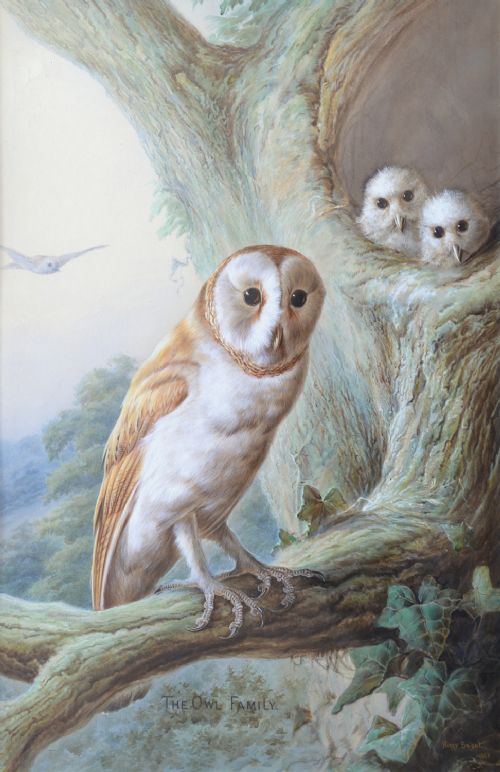
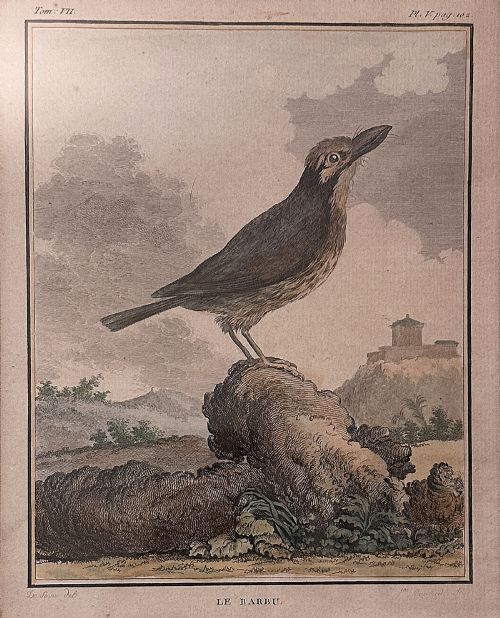
Vintage ornithological artwork brings framed natural history illustrations and original studies into the room, capturing birds through the careful eye of the naturalist.
Vintage Ornithological Artwork
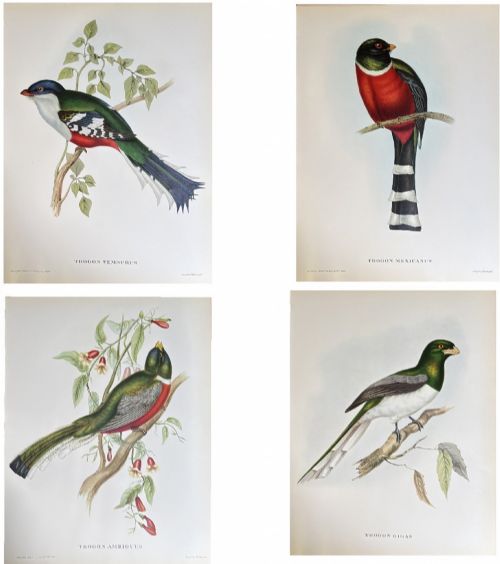
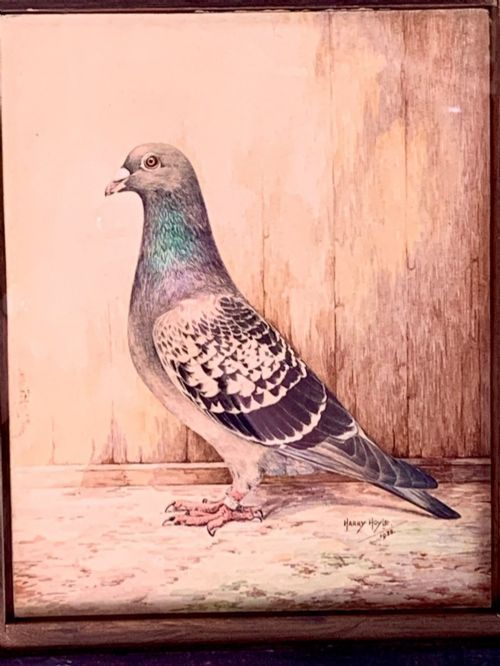
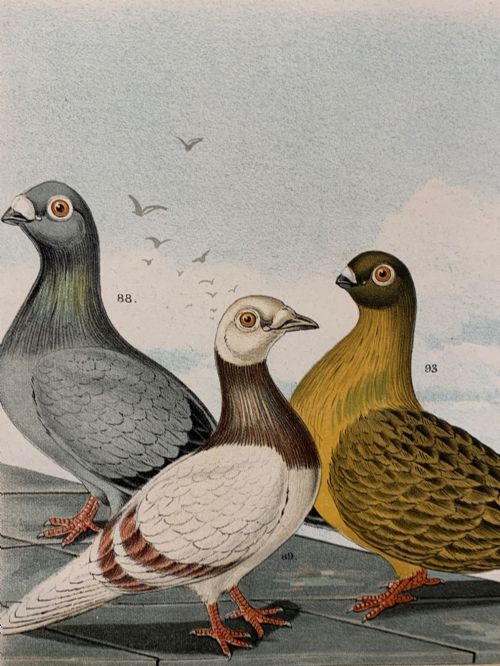
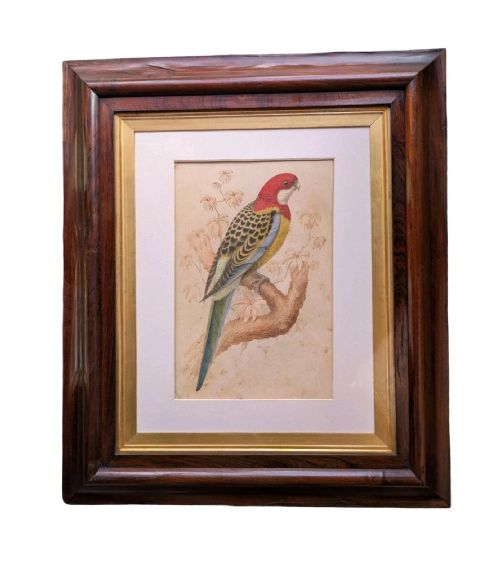
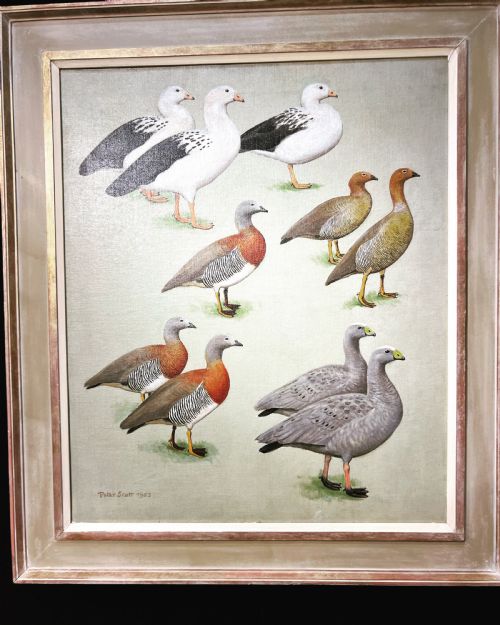
Vintage ornithological artwork encompasses framed prints, lithographs, and original paintings depicting birds from the nineteenth and twentieth centuries. These pieces range from Victorian natural history plates to mid-century British art studies and colonial wildlife illustrations.
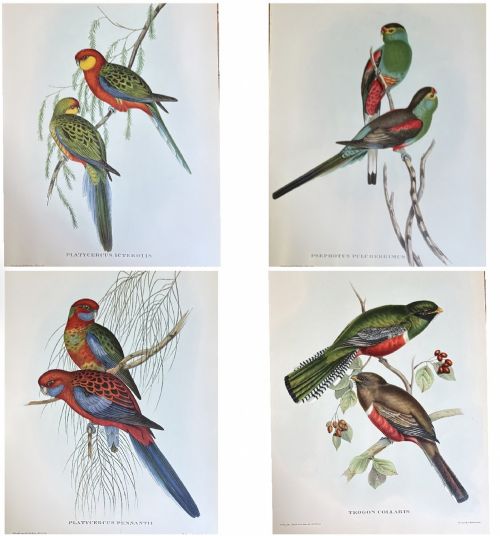
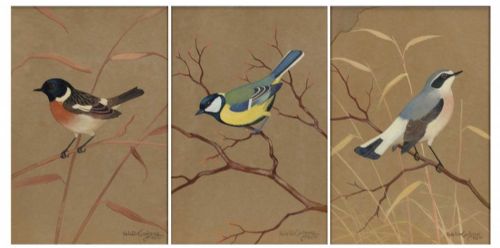
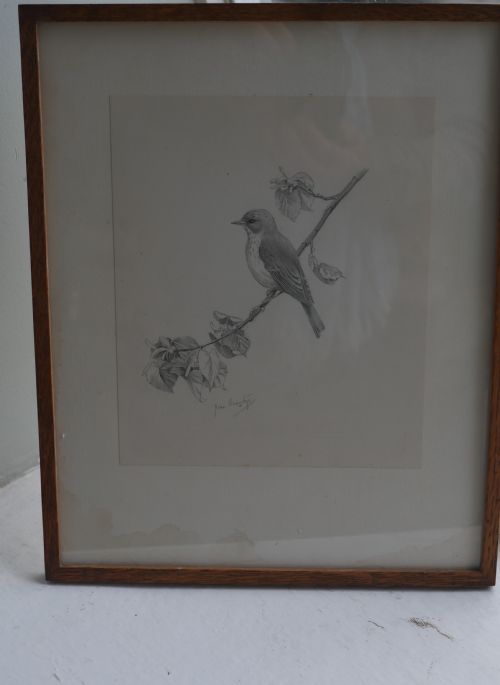
Buyers most frequently encounter watercolours, pencil drawings, and lithographic sets on this page. Subjects span British garden birds, exotic parrots, pigeons, and raptors created across periods including the Edwardian era, the 1930s, and the 1950s.
Materials and techniques
These works rely primarily on paper supports combined with watercolour paint, ink, gouache, and graphite. Artists often layered watercolour washes with fine ink or pencil detailing to render feather textures and anatomical accuracy.
Some examples utilise lithography to reproduce multiple colour plates for published natural history volumes. Framing materials typically involve wood and glass to protect the delicate paper works from moisture and light.
Vintage Ornithological Artwork Retail Price Guide 2026
Typical asking prices for vintage ornithological artwork among the pieces listed under this phrase on Sellingantiques today, from the lower quarter to the upper quarter. They describe what is for sale here now, not the wider market.
The listings span works executed in watercolour, ink, gouache, and graphite on paper supports.
Distinctions in quality
Quality rests upon the precision of the draughtsmanship and the artist's ability to capture the live posture and plumage of the subject. Original hand-painted watercolours by recognised natural history painters command higher regard than standard mass-produced prints.
The sensitivity of the colour palette and the preservation of the paper support also define the tier of a piece. Strong provenance, artist signatures, and contemporary framing enhance the integrity of these studies.
Sir Peter Markham Scott·Charles F Tunnicliffe·Donald Watson·Paul-Louis Barruel·Ralston Gudgeon
The Vintage Ornithological Artwork Glossary
- Lithograph
- A print produced from a flat stone or metal plate using a chemical process that repels ink. This technique allowed Victorian publishers to issue multi-coloured bird plates in substantial numbers.
- Gouache
- An opaque water-based paint that provides solid areas of colour and dense highlights. It is frequently combined with transparent watercolour in bird studies to render bright plumage.
- Natural history illustration
- Scientific art intended to record animal species with precise anatomical accuracy. These works balance aesthetic appeal with strict observation of the natural world.
- Watercolour
- A painting method where coloured pigments are suspended in a water-based solution on paper. Artists use translucent washes to build up the soft tones of feathers and avian backgrounds.
Vintage Ornithological Artwork: Frequently Asked Questions
How do I identify the age of a piece?
Examine the paper quality, framing style, and any artist signatures or dates recorded on the work. Stylistic markers such as Edwardian mounts or mid-century palettes also help date the piece.
Compare the medium and subject matter against known periods of natural history publishing and artistic production to narrow down the decade.
Are these works original paintings or prints?
The inventory includes both original hand-painted watercolours and vintage printed plates. Original works display brushstrokes and pencil underdrawings under close inspection.
Prints and lithographs show the uniform dot patterns or smooth ink layers typical of mechanical reproduction techniques.
How should I hang and care for these artworks?
Keep works on paper away from direct sunlight to prevent the watercolour pigments and paper from fading. Maintain stable room humidity to protect both the paper and the wooden frames.
Ensure pieces are glazed with appropriate glass and kept away from damp exterior walls to preserve the medium over time.
What subjects are most common?
British garden birds, game birds, pigeons, and exotic parrots appear frequently across the collection. Artists often focused on single species studies or balanced pairs of birds.
Larger compositions sometimes depict raptors or outback Australian species rendered in detailed watercolour or ink.