




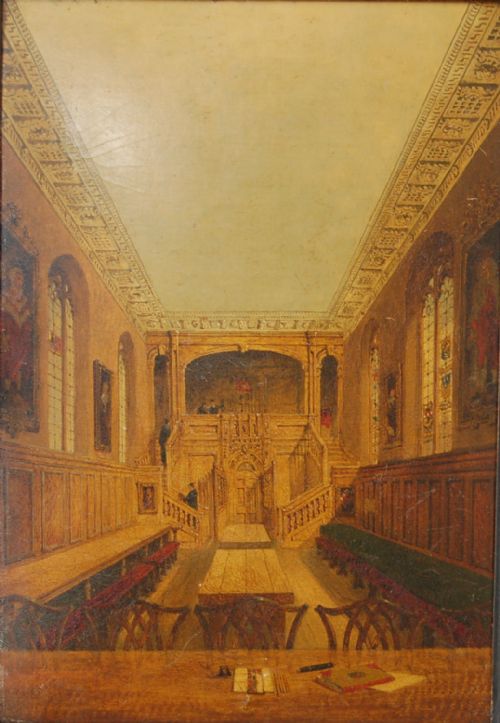

Brown Timber Framed Picture
These brown timber framed picture pieces bring period wall art into a room with genuine timber character.
Brown Timber Framed Picture
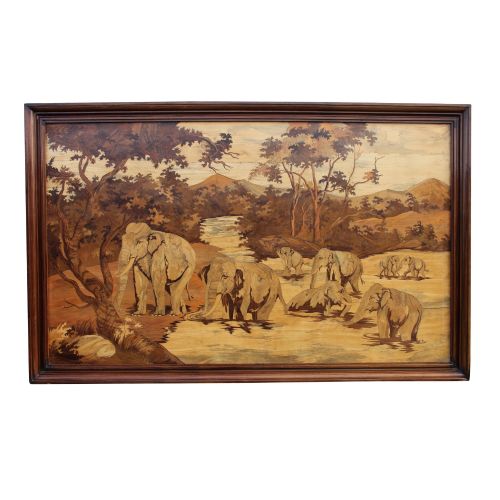
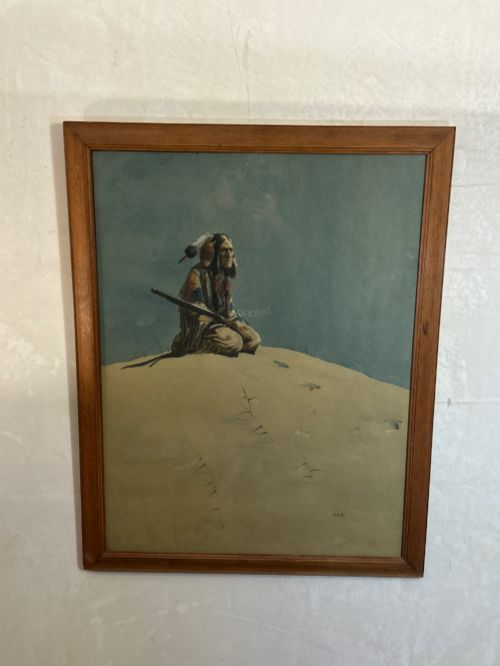
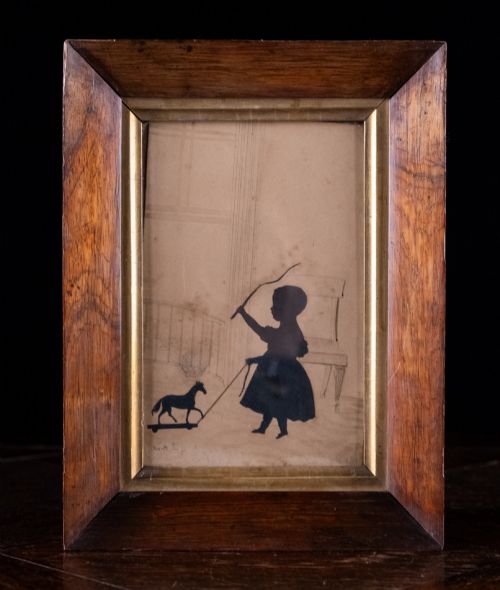
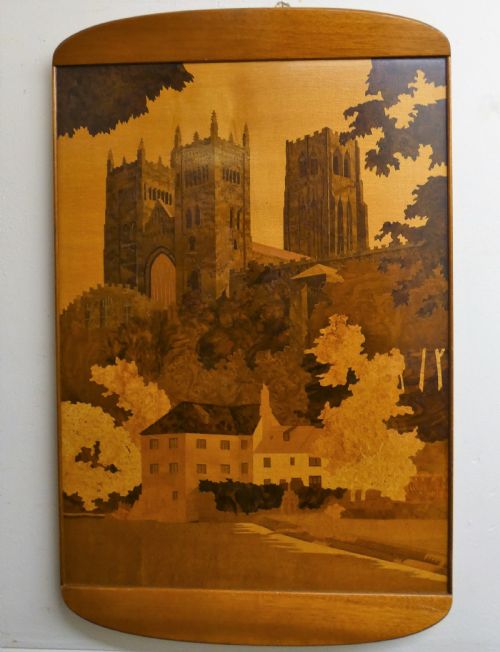
A brown timber framed picture is essentially wall art or a framed artwork housed in a wooden surround, covering everything from nineteenth-century watercolours to early photographic prints. When searching for a brown timber framed picture, buyers encounter various formats including watercolour paintings, oil paintings, engravings, and marquetry wall panels.
The pieces on this page span several periods, most notably the nineteenth century, Victorian era, Regency, and early twentieth century. Common subjects range from British sporting art and Victorian topographical views to Edwardian illustration and Black Forest wood carvings.
Most examples rely on timber frames that complement the medium within, whether paper, canvas, or wood mosaic. Buyers often find works by named artists or specific regional workshops alongside decorative panels and period prints.
What varies in quality
Quality rests heavily on the execution of the frame and the skill visible in the artwork or inlay. Finely carved Black Forest frames or precise wood mosaic work distinguish superior decorative pieces from simpler production.
In painted and photographic works, the clarity of the composition, the handling of the medium by artists such as waterchcolourists or oil painters, and the preservation of the original paper or canvas determine the overall merit.
Several pieces combine horses, dogs, castles, and birds within the same room, hinting at past owners with eclectic countryside tastes.
John Hassall·Herman S Melville·C W Tuck·Christoffel Bisschop·Tom Dudley·J Mitan·Donald Watson·Joseph Murray Ince·Thomas Lound
The Brown Timber Framed Picture Glossary
- Marquetry
- The art of applying pieces of veneer to a structure to form decorative patterns. This technique appears on several wall panels and picture frames using contrasting timbers.
- Tunbridge Ware
- A form of woodwork characteristic of Kent involving tiny blocks of coloured wood assembled into mosaic designs. It frequently decorates Victorian picture frames.
- Topographical
- Depicting accurate representations of specific places or landscapes. Many nineteenth-century works focus on identifiable buildings, streets, and castles.
- Engraving
- A printmaking process where an artist cuts an image onto a metal plate to produce multiple impressions on paper. These sheets are often found behind glass within period timber frames.
- Black Forest
- A style of wood carving originating from central Europe known for deeply textured foliage and animal subjects. Frames from this tradition display distinct hand-carved relief work.
Brown Timber Framed Picture: Frequently Asked Questions
How do I hang a heavy timber framed picture?
Heavy timber frames require robust picture hooks and fixings rated for the combined weight of the wood, glass, and artwork. Secure the hanging wire or brackets firmly to the vertical structural rails of the frame rather than loose backing boards.
Ensure the wall fixing engages properly with studs or uses appropriate wall anchors to prevent slippage over time.
Can I replace the glass in a period frame?
Original glass should be preserved wherever possible, as older panes often show subtle distortion or bubbles characteristic of their manufacturing period. If glass is broken, modern conservation glass can be cut to fit the rebate of the timber surround.
Take care not to damage internal timber rebates or squeeze the artwork when installing replacement panes.
How should I clean a wooden picture frame?
Dust timber frames gently with a dry, soft cloth to remove surface particles without disturbing aged finishes or carved details. Avoid liquid polishes, silicone sprays, or damp cloths that might penetrate unsealed wood or damage paper inserts.
Regular dry dusting prevents grime accumulation in carved crevices and protects the natural patina of the timber.
What lighting protects watercolour paintings?
Watercolour pigments on paper are sensitive to strong light and direct sunlight can cause fading over extended periods. Position these pieces away from south-facing windows and utilise low-UV artificial lighting.
Rotating works or using dimmer switches helps preserve the subtle tones of nineteenth-century paper artworks.