


Framed Nature Wall Art
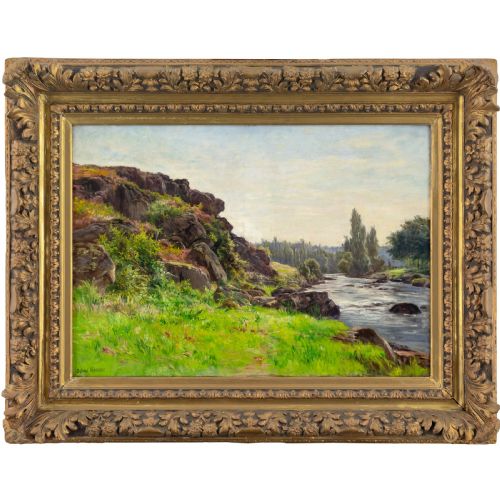
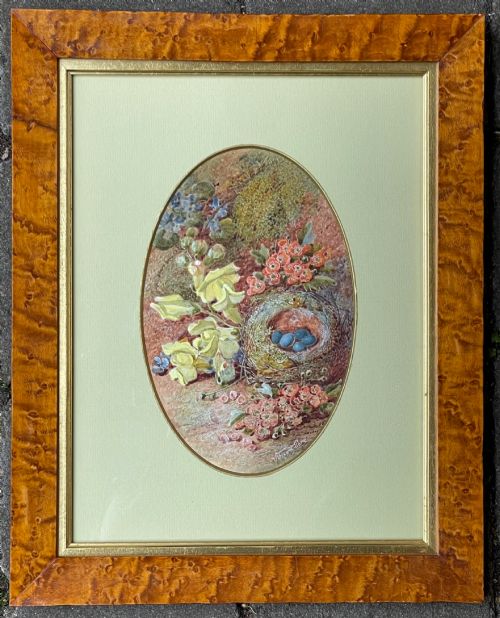
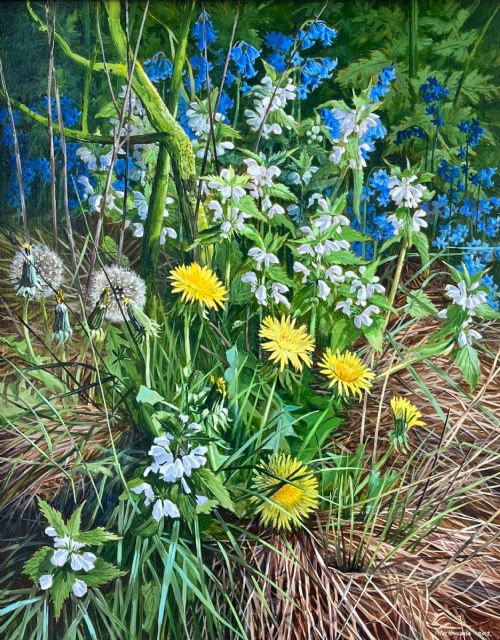
Framed nature wall art brings the outdoors inside, spanning detailed botanical studies and sweeping rural landscapes.
Framed Nature Wall Art
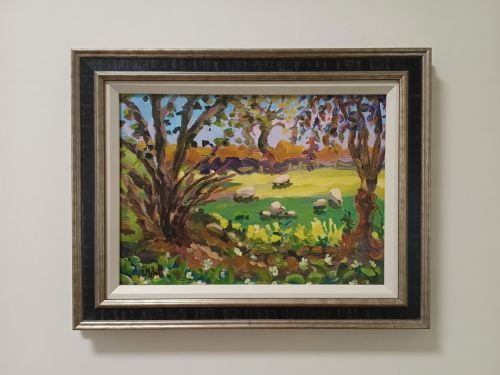
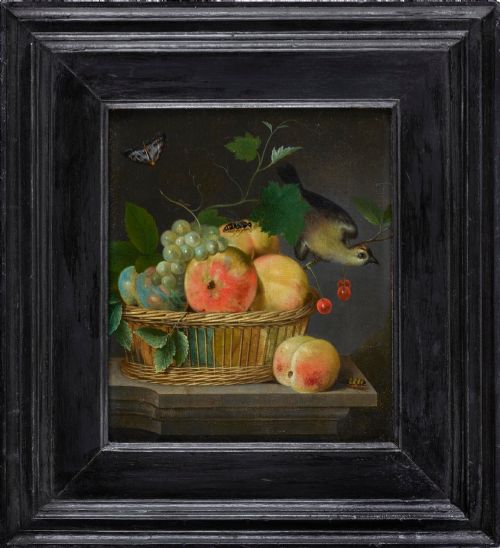
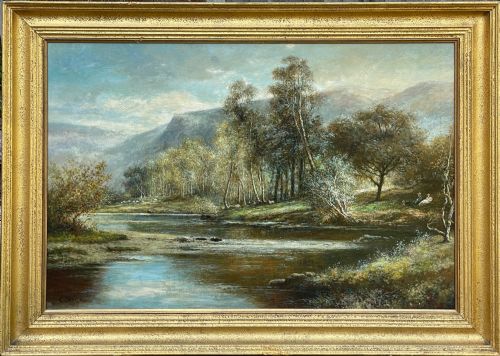
Framed nature wall art encompasses a wide variety of works depicting landscapes, rivers, woodlands, and botanical subjects. These pieces bridge the gap between interior decoration and historical documentation of the natural world.
The selection ranges from Victorian naturalism to mid-century watercolours and oils. Buyers encounter everything from delicate studies of birds and flowers to expansive pastoral views.
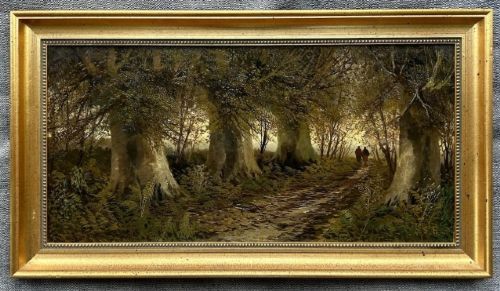
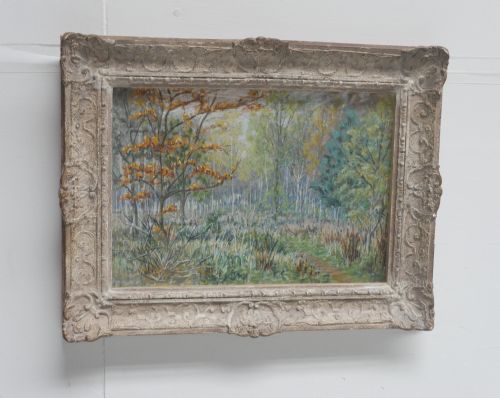
Woodlands, riverbanks, and rural lanes dominate the forms available. These subjects reflect changing artistic approaches to natural scenery across the nineteenth and twentieth centuries.
How they were made
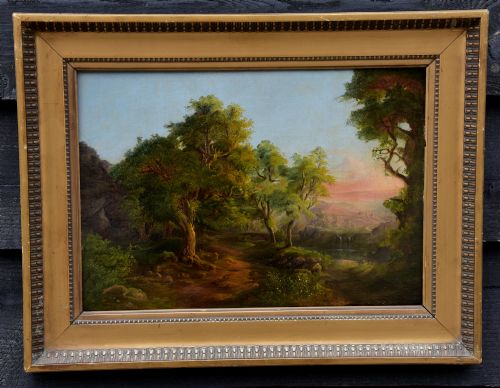
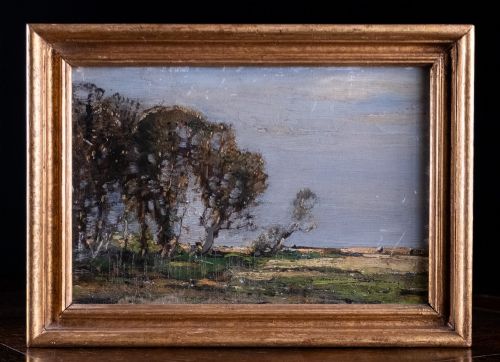
Artists worked primarily in oil paint, watercolour, and gouache on canvas, board, or paper. Oil paintings on canvas or board offer rich texture and depth, particularly in landscape and still life subjects.
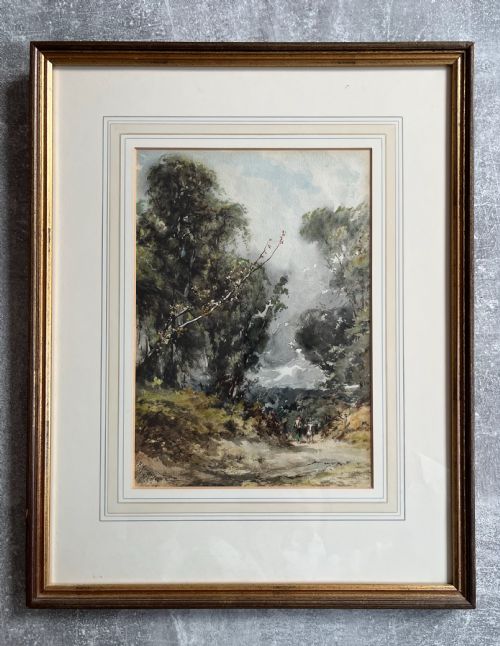
Watercolours and pastels capture lighter atmospheric effects, often utilised for botanical studies and delicate woodland scenes. These works relied on skilled handling of pigment on paper to render fine details of flora and fauna.
Original framing completed the piece, often incorporating wood and gold leaf moulding to protect and enhance the artwork. The choice of mount and frame reflects the period taste of the maker.
Subject matter includes woodlands, Scottish highlands, botanical studies, rivers, and ornithological observations.
What varies in quality
Quality rests in the artist's command of light, colour, and natural proportion. Superior works display a confident brushwork that captures movement in water or foliage rather than mere mechanical copying.
The preservation of the medium dictates longevity and visual impact. Strong paper without foxing in watercolours and stable paint layers on canvas separate better-kept examples from compromised ones.
George Fotherly Hargitt·Kershaw Schofield·Thomas W Lascelles·Gabriel Mathieu·Vincent Clare·Lucy Pratt·Gaspar Peeter Verbruggen·Peter Newcombe·Oliver Goldsmith·John Wright Oakes·William Langley·William Mellor·Rowland Henry Hill·John Hobson Nicholson·H. Church·R.L. Howey·AJ Thornton·T.B. Garvie·Charles Branwhite·John Sherrin·James Kinnear
The Framed Nature Wall Art Glossary
- Oil paint
- A slow-drying paint made with pigments suspended in a drying oil, typically linseed. This medium allows for deep colour saturation and textured impasto application.
- Watercolour
- A paint consisting of colour pigments suspended in a water-soluble vehicle. It is traditionally applied to paper to achieve translucent, luminous washes.
- Gouache
- An opaque water-based paint that includes a white pigment filler, resulting in a heavier, more solid finish than traditional watercolour.
- Botanical illustration
- Detailed depictions of plant life intended for scientific study or natural history display. These works prioritise accurate rendering of structural details over atmospheric landscape.
- Impressionism
- An art movement focusing on the visual impression of the moment, particularly shifting light and colour. Works in this style employ visible brushstrokes and unblended pigments.
Framed Nature Wall Art: Frequently Asked Questions
How do I date a landscape painting?
Dating relies on stylistic clues, framing techniques, and the materials used by the artist. Canvas types and stretcher construction also provide chronological markers for older works.
Signatures and biographical details of the artist help narrow the period. Comparative study with dated works from the same school confirms the timeline.
Are watercolours prone to fading?
Watercolours are sensitive to prolonged exposure to direct sunlight. Pigments used in nineteenth-century works can shift or lighten if hung improperly.
Protective glass and proper placement away from direct UV rays preserve the original colour intensity. Conservation framing methods help maintain stability over time.
What is the difference between oil and watercolour?
Oil paint utilises a slow-drying oil binder, allowing for rich textures and deep colour layering. Watercolours use a water-soluble medium on paper, yielding lighter and more translucent effects.
Oils typically require canvas or wooden boards for support. Watercolours are mounted under glass to protect the paper substrate.
How should I hang framed nature art?
Hang pieces at eye level on interior walls away from direct heat sources and moisture. Stable room temperatures prevent the expansion and contraction of wood and canvas.
Secure picture hooks rated for the weight of the frame ensure safe display. Avoiding direct sunlight protects both paint layers and paper supports.