
Traditional Framed Art
Traditional framed art comprises oil paintings, watercolours, and prints spanning several centuries, valued for bringing historical portraiture and landscapes into domestic interiors.
Traditional Framed Art
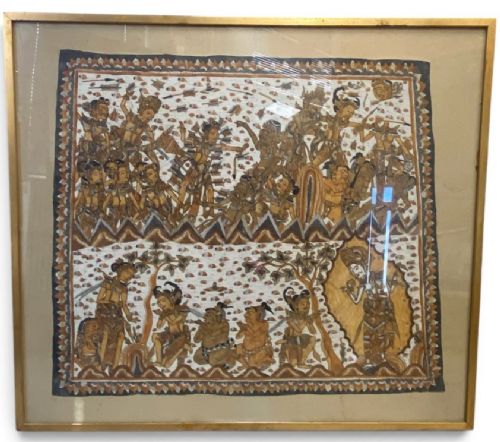
Traditional framed art encompasses a diverse range of works, including oil paintings, watercolours, lithographs, and woodblock prints produced across the seventeenth, eighteenth, nineteenth, and early twentieth centuries.
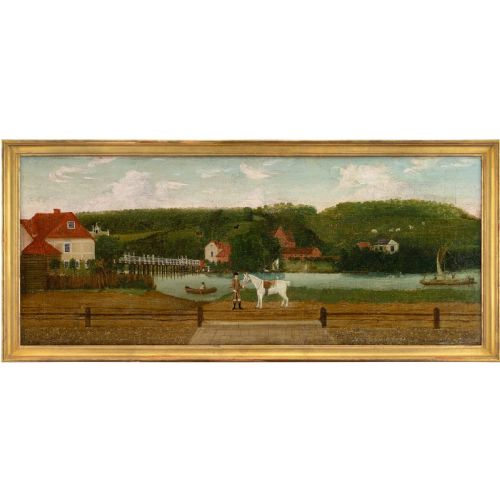
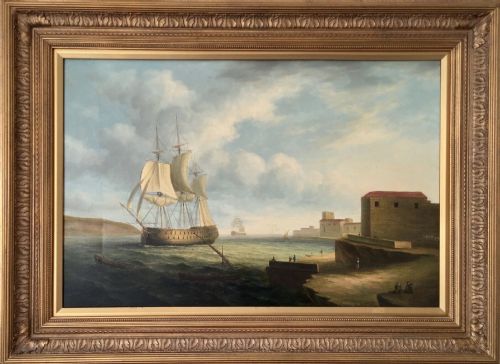
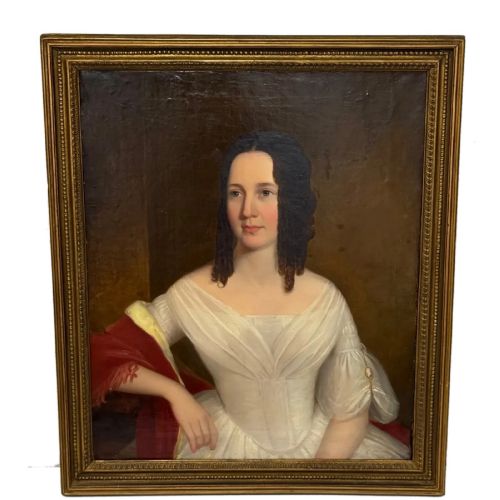
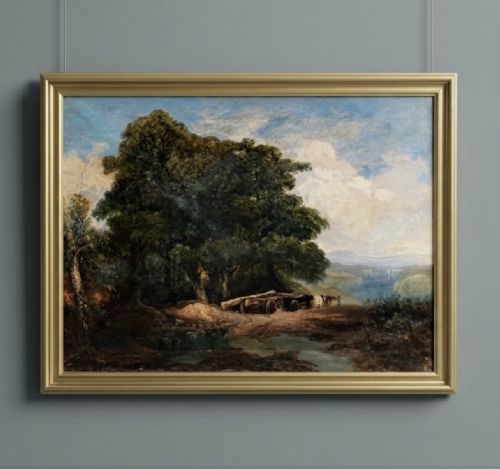
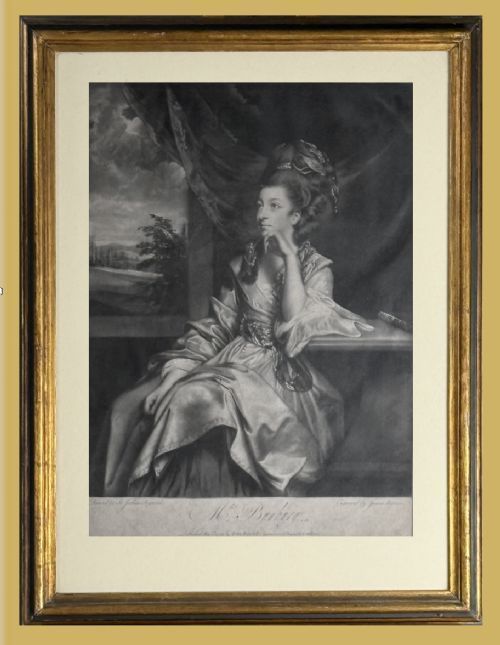
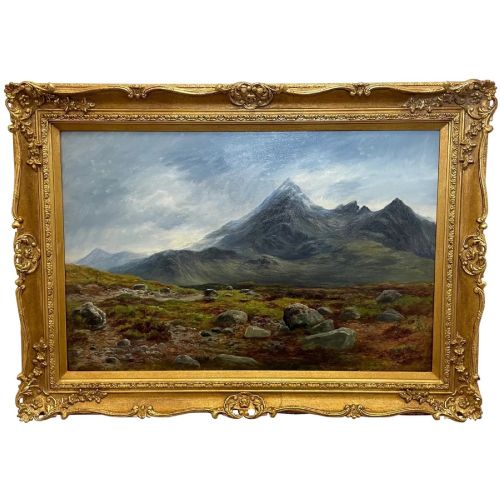
Buyers searching for traditional framed art encounter portraits, marine scenes, topographical landscapes, and botanical studies originating from British, European, and Asian traditions.
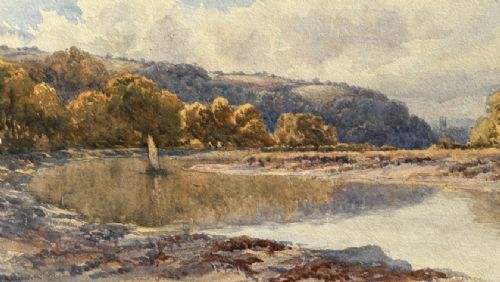
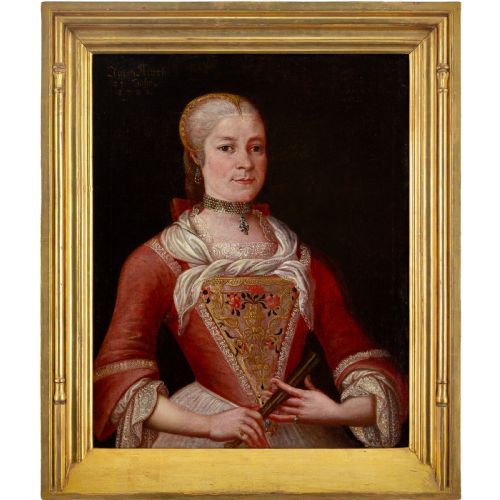
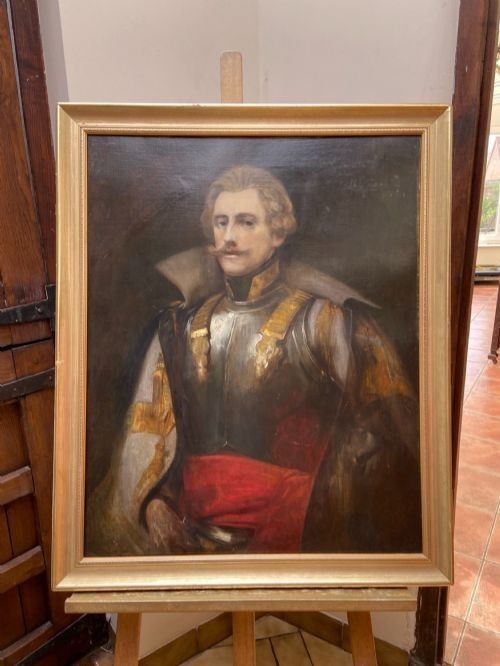
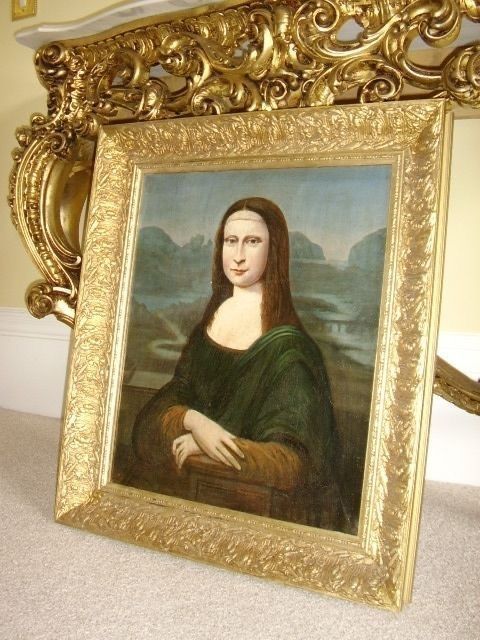
The selection ranges from large canvas oil portraits and pastoral landscapes to detailed watercolours and decorative prints housed in period surrounds.
Materials and construction methods
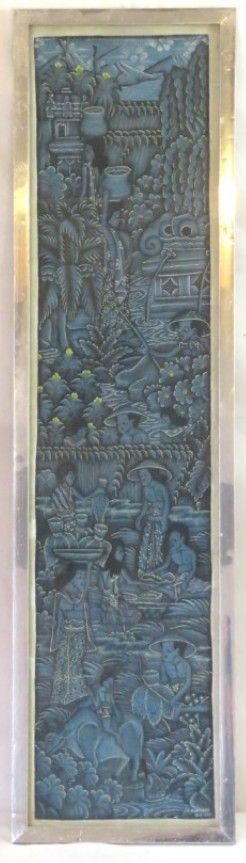
Works are executed using oil paint on canvas or wood panels, watercolour and bodycolour on paper or fabric, and ink in woodblock print techniques.
Framing utilises wood and gilt surrounds that protect the paper, canvas, or panel while providing a distinct historical boundary for the artwork.
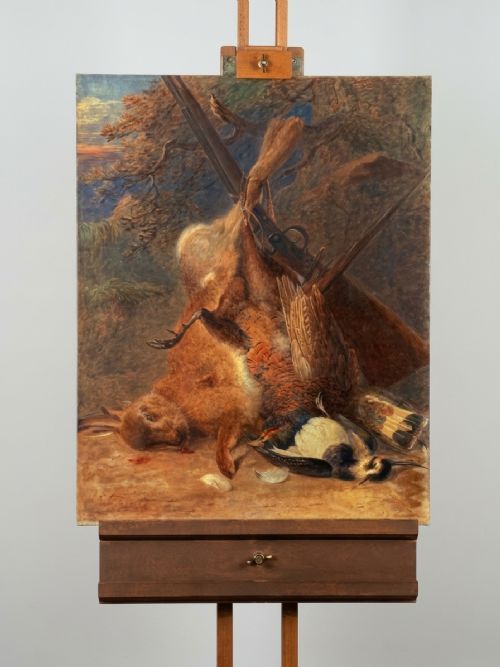
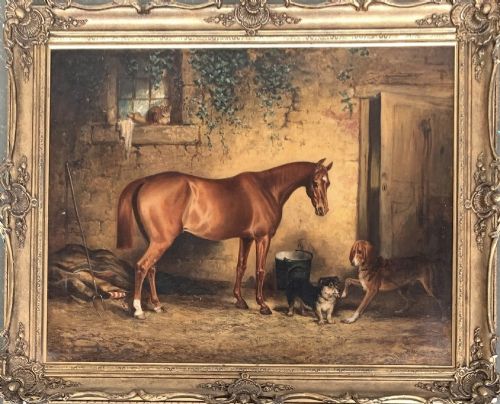
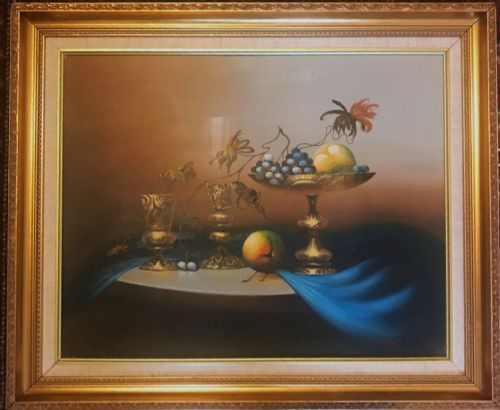
Subjects represented across the collection include marine battles, polo matches, rural farmyards, and botanical still-lifes.
Distinctions in quality
Quality is determined by the skill of the execution, evident in the handling of light in oil portraits and the precision of brushwork in landscapes.
The integrity of the original materials, the survival of the surface pigment, and the harmony between the artwork and its period frame dictate the standing of individual pieces.
Henry Barraud·Sir Joshua Reynolds·William Oliver·Richard Sebastian Bond·James Watson
The Traditional Framed Art Glossary
- Oil on canvas
- A painting technique where pigments suspended in drying oil are applied to stretched canvas cloth. This method allows for rich colour blending and textured brushwork.
- Watercolour
- A paint consisting of colour pigments suspended in a water-soluble vehicle, typically applied to paper or fabric. It creates translucent washes and delicate detail.
- Mezzotint
- A printmaking process of the intaglio family where a copper plate is roughened and then scraped to achieve tones and gradients. It produces rich dark areas and subtle portraits.
- Woodblock print
- A technique for printing text, images, or patterns used widely in East Asian traditions. Carved blocks of wood transfer ink onto paper.
- Bodycolour
- Watercolour mixed with a white pigment to make it opaque. This technique adds solid highlights and dense areas of colour to works on paper.
Traditional Framed Art: Frequently Asked Questions
How do I identify the age of an oil painting?
Dating relies on examining the canvas weave, stretcher construction, and pigment composition alongside any signatures or biographical dates of the artist. Stylistic conventions in costume and landscape also offer chronological markers.
Framing can provide secondary clues, though surrounds are frequently updated or replaced in subsequent centuries to match interior decoration trends.
What is the difference between an oil painting and a watercolour?
Oil paintings utilise pigment bound in drying oil applied to canvas or wood panels, offering a durable, textured surface with deep tonal variation. Watercolours use water-soluble pigments on paper or fabric, resulting in a lighter, more translucent finish.
Works on paper typically require protective glass framing, whereas canvas oil paintings are generally displayed open to the room.
How should I hang and care for antique art?
Artworks should be placed away from direct sunlight and sources of heat or dampness to prevent the fading of watercolours and the cracking of oil paint. Stable indoor temperatures preserve the integrity of both canvas and wood panel supports.
Frames require occasional dusting with a dry cloth, avoiding liquid cleaning solutions that might damage gilt surfaces or migrate onto the artwork.
Are portrait paintings usually of specific historical figures?
Many traditional portraits depict documented individuals, including architects, military officers, and nobility, often identified through inscriptions or historical records. Commissioned works recorded family lineage and social status.
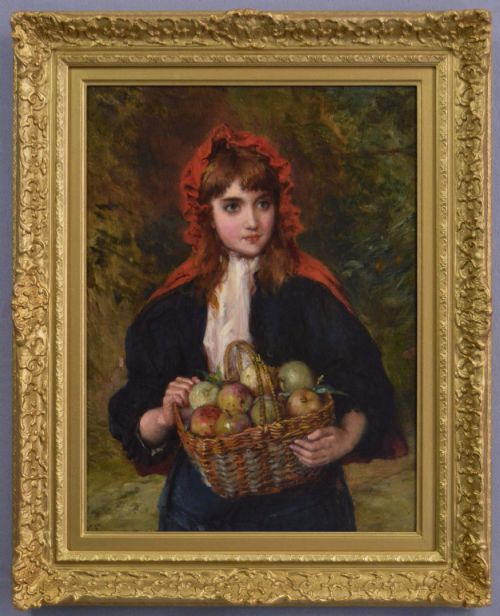
Other portraits represent anonymous subjects or character studies created by regional schools, focusing on costume and expression rather than a named sitter.