


Framed Paper Bird Art
Framed paper bird art gathers ornithological watercolours, engravings and pith paper studies from the eighteenth century to the mid-twentieth century, offering direct insight into historical natural history illustration.
Framed Paper Bird Art
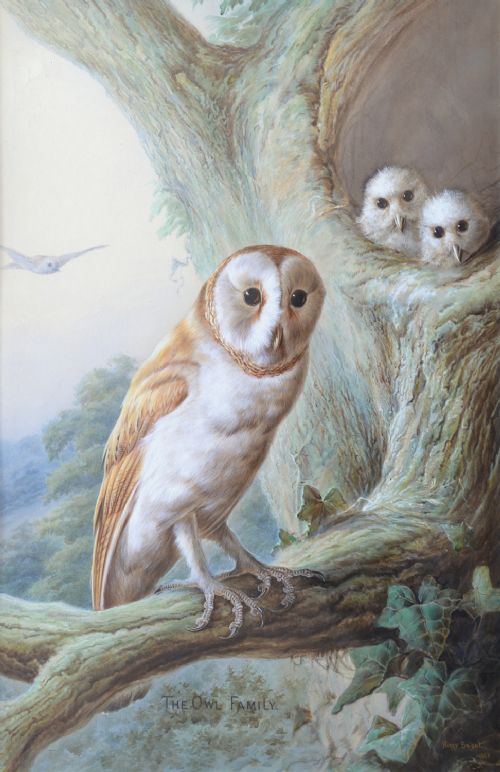
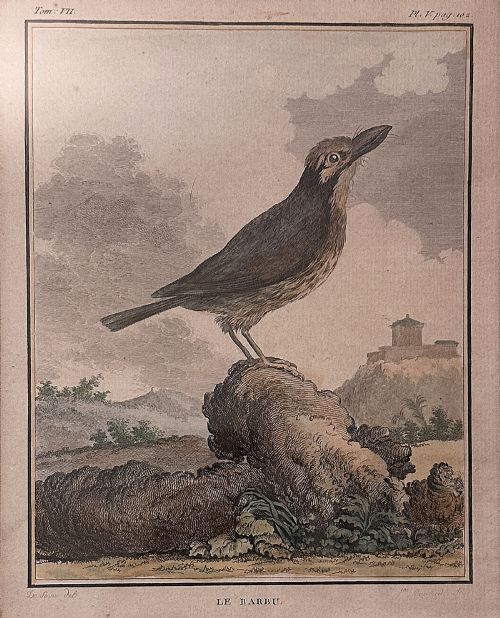
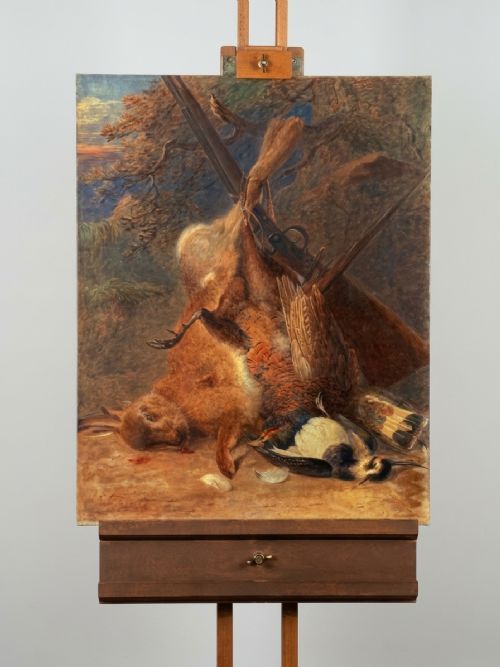
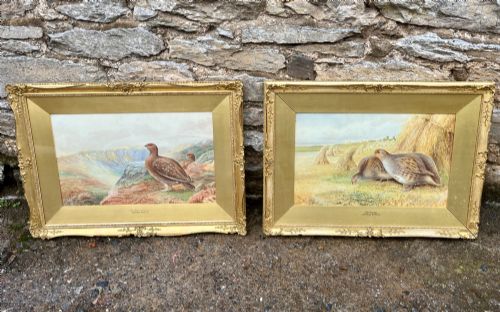
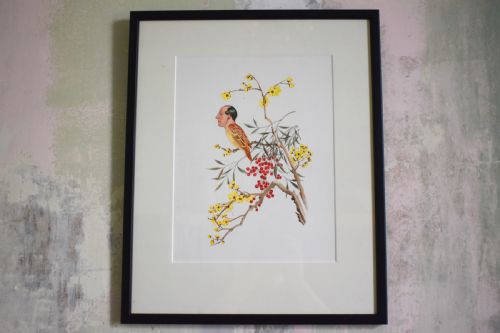
Framed paper bird art encompasses ornithological engravings, delicate watercolours, gouache and bodycolour studies housed behind glass within period wood frames. Collectors encounter hand-coloured plates by natural history illustrators alongside intimate watercolours depicting game birds, garden birds and exotic species across various historic periods.
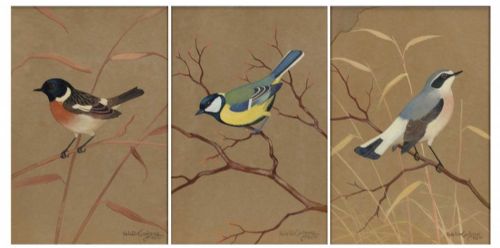
The selection ranges from eighteenth-century hand-coloured engravings by George Edwards and Eleazor Albin to nineteenth-century works and mid-twentieth-century watercolours by artists such as George Rankin, Ralston Gudgeon and Paul-Louis Barruel. These pieces capture changing approaches to wildlife illustration, moving from scientific recording towards more expressive painterly compositions.
How they were made
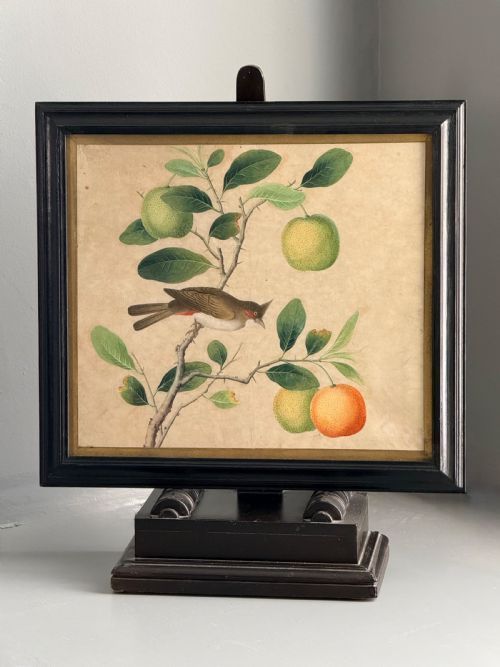
Artists and naturalists executed these works primarily with watercolour, gouache, ink and bodycolour on paper or pith paper, frequently applying hand-colouring to engraved copper plates. Pith paper provides a delicate, absorbent surface that yields a distinctive velvety texture under pigment, while standard laid or wove paper supports fine brushwork.
Framing utilised period wooden mouldings, notably maple frames, which protected the works beneath glass from environmental moisture and handling damage. Print editions often received hand-applied watercolour washes directly over inked lines to enhance botanical and ornithological accuracy.
Several artists captured kookaburras, cockerels and game birds with distinct personalities long before modern wildlife photography existed.
What varies in quality
The distinction between standard works and exceptional examples rests upon the precision of the draughtsmanship, the vibrancy of surviving pigment and the historical importance of the illustrator or publisher. Works by documented natural history authorities command greater interest due to their scientific rigour and artistic execution.
Condition plays a defining role, specifically the stability of the paper, the absence of heavy foxing or fading, and the retention of original framing materials like maple wood and protective glass. Complete sets or pairs demonstrate superior coherence compared to dispersed individual plates.
The Framed Paper Bird Art Glossary
- Gouache
- An opaque watercolour paint consisting of pigment, water, and a binding agent such as gum, creating a heavier and more matte surface than standard watercolour.
- Pith paper
- A delicate material formed from the pith of the Tetrapanax papyrifer plant, historically utilised in China for export gouache paintings.
- Bodycolour
- Watercolour pigment mixed with a white filler to create opacity, often applied alongside transparent washes to highlight details.
- Hand-coloured engraving
- An intaglio print from a metal plate that has received subsequent application of watercolour by hand.
- Foxing
- Brown spots or discoloration caused by chemical reactions in ageing paper, frequently accelerated by humidity.
Framed Paper Bird Art: Frequently Asked Questions
How do I date these bird artworks?
Dating relies upon the paper characteristics, printing techniques, and stylistic markers associated with specific centuries, such as Georgian engraving methods or twentieth-century watercolour pigments.
Original framing, particularly maple wood mouldings used in the Georgian and Victorian eras, often provides secondary evidence of the period.
Are these works original paintings or prints?
The listings include both unique painted works in watercolour and gouache alongside hand-coloured engraved plates produced in historic series.
Examination under magnification helps distinguish between the fluid brushstrokes of a direct painting and the inked lines of a printed plate.
How should I care for antique paper art?
Antique paper requires protection from direct sunlight to prevent the fading of watercolour pigments and the yellowing of the paper support.
Maintaining stable indoor humidity levels prevents foxing and ensures that the paper does not warp within its frame.
Who are the notable artists found in these works?
The selections feature documented ornithological illustrators and wildlife painters including George Edwards, Eleazor Albin, George Rankin, Ralston Gudgeon and Paul-Louis Barruel.
These artists contributed significantly to natural history recording and mid-century British bird illustration.