
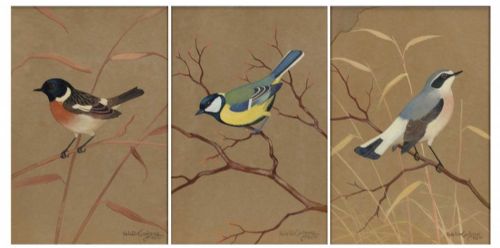


Original Bird Painting Framed
An original bird painting framed brings the quiet observation of nature indoors through watercolour, oil paint, and period wood or gilt mouldings.
Original Bird Painting Framed
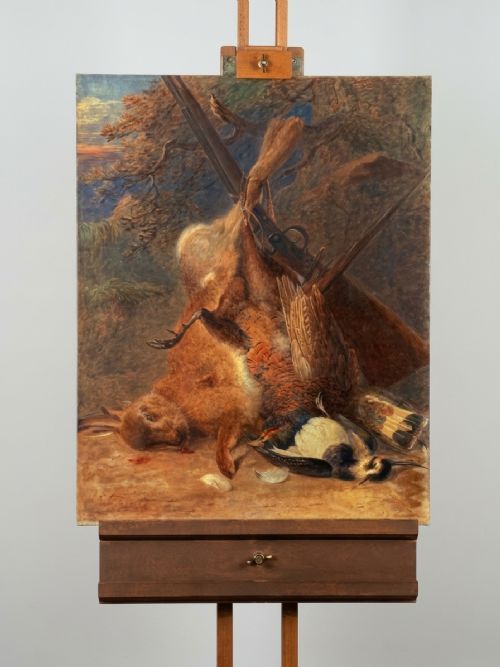
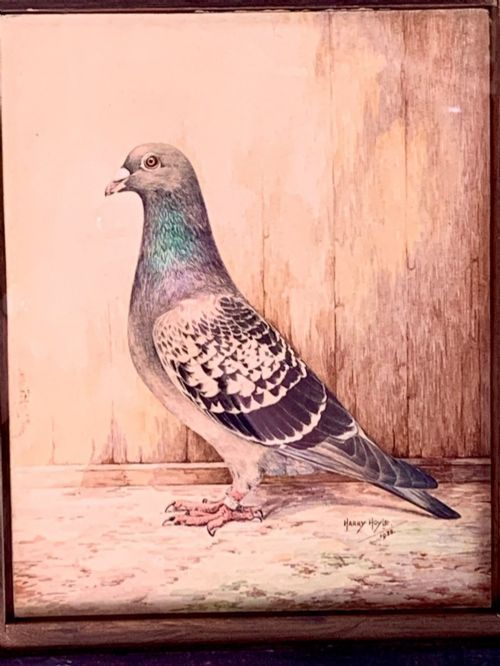
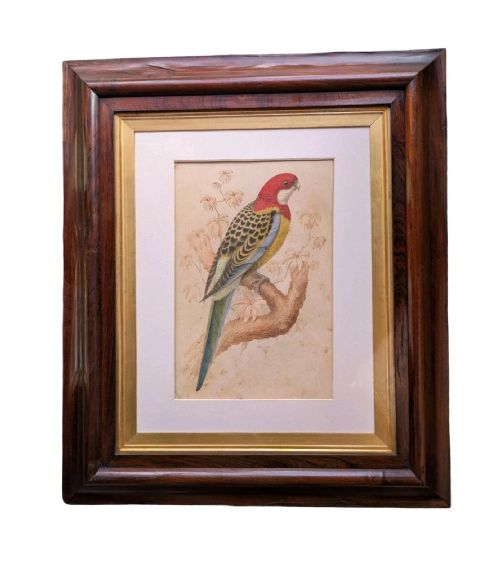
An original bird painting framed captures avian subjects across the nineteenth and twentieth centuries, ranging from detailed Victorian natural history illustrations to mid-century studies and contemporary realism. These works appear in various forms, including intimate watercolours under glass, oil paintings on panel or canvas, and larger exhibition pieces housed in period frames.
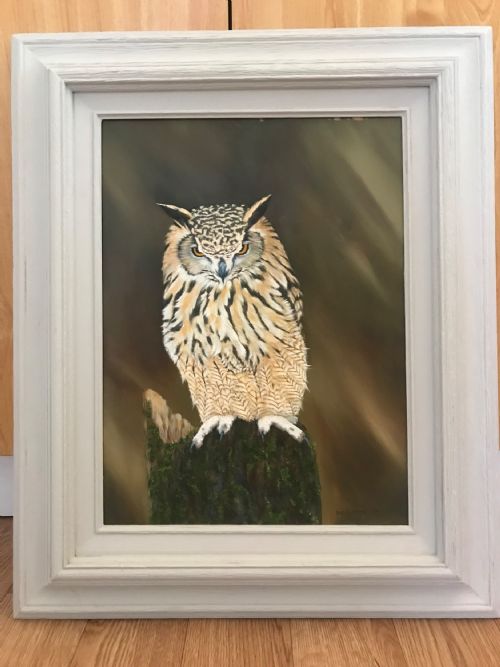
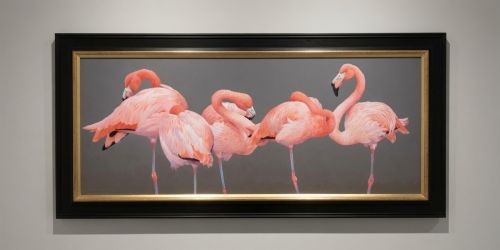
The selections span distinct periods, including Victorian works by named artists alongside pieces from the nineteen-thirties, nineteen-forties, nineteen-fifties, and nineteen-sixties. Buyers encounter single sheet paintings and grouped studies depicting garden birds, parrots, owls, flamingos, and game.
Most entries combine paper or canvas supports with traditional wooden framing, often preserved in original maple or gilt moulding. The physical presentation bridges scientific observation and domestic decoration.
How they were made
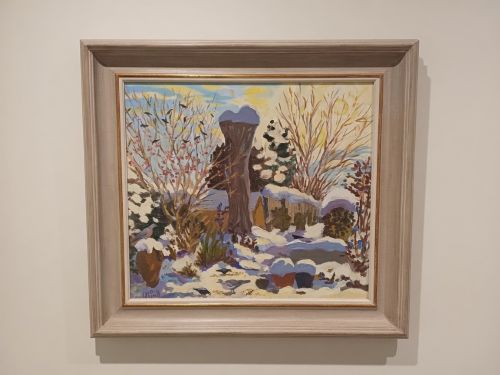
Artists working in watercolour and bodycolour on paper utilised fine brushwork to record feather patterns and natural detail, frequently enclosing the finished painting behind protective glass. Oil painters applied pigment to stretched canvas, wooden panel, or board, building rich textures for subjects such as snowy winter scenes and marshland birds.
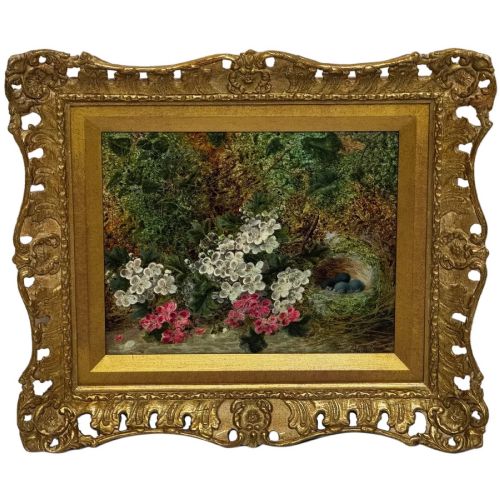
Frames employ wood, glass, and gold leaf or gilt finishes, with period examples featuring maple veneers or moulded details tailored to the scale of the painting. These protective housings preserve the integrity of the paper and canvas over decades of display.
Pigeons win royal messenger prizes and monkeys gaze from canvases, proving birds share wall space with unexpected company.
What varies in quality
The strength of the draughtsmanship and the precision of the anatomical observation distinguish exceptional works from standard decorative studies. Mastery of watercolour wash or oil impasto dictates how convincingly the plumage, light, and atmosphere are rendered.
The integrity of the pairing between artwork and frame influences overall character, particularly when original maple or gilt frames survive intact. Condition matters, as clean paper free from heavy foxing preserves the legibility of the artist's brush.
George Sydney Shepherd·Oliver Clare·Lucy Pratt·Frederick Tatham·David Orr Kerr·Ralston Gudgeon·Elisabeth Frink·Henri Joseph Pauwels·Harry Bright·William Stephen Coleman·Rowland Henry Hill·Donald Watson
The Original Bird Painting Framed Glossary
- Watercolour
- A paint consisting of pigment suspended in a water-based solution, applied to paper to create translucent washes of colour. It forms the primary medium for many detailed natural history illustrations.
- Bodycolour
- Watercolour mixed with a white pigment to render it opaque, allowing artists to add highlights and solid areas of tone. This technique provides depth in nineteenth-century bird studies.
- Gilt
- A thin layer of gold leaf or gold paint applied to wooden mouldings to create a reflective surface. It frames many period oil paintings and watercolours.
- Natural history illustration
- Scientific or artistic depiction of animals and plants rendered with close attention to anatomical accuracy. These works balance aesthetic appeal with empirical observation.
- Maple frame
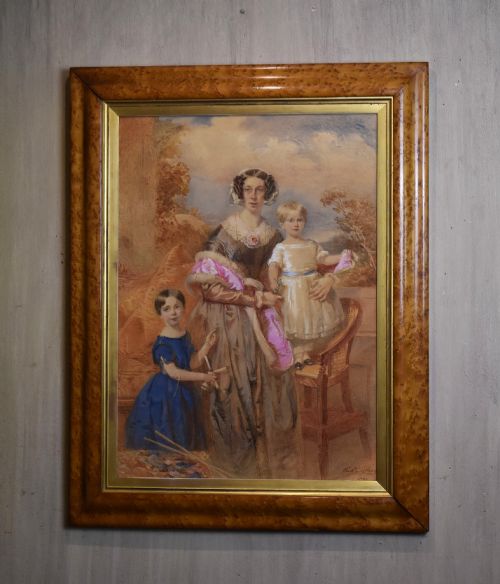
- A wooden housing utilising maple veneer, prized for its distinctive bird's-eye or striped grain pattern. Such frames frequently accompany Victorian and Edwardian portraits and watercolours.
Original Bird Painting Framed: Frequently Asked Questions
How do I hang a framed bird painting?
Select a wall with stable humidity away from direct sunlight to protect watercolour pigments and paper supports from fading. Use appropriate picture hooks secured to wall studs to support the weight of the wood and glass frame.
Leave adequate space around the artwork to let the composition breathe within the room. Group smaller studies together at eye level to replicate historical gallery arrangements.
Are these paintings original works?
Each listed piece is a unique hand-painted work on paper, canvas, or panel, rather than a modern reproduction or print. Artists applied direct brushwork using watercolour or oil paint.
Signatures, artist boards, and period framing materials help confirm the individual origin of each painting. Archival records also document past sales of comparable original compositions.
How do I identify the period of the frame?
Examine the construction methods visible on the reverse, including corner joins, backing boards, and fixings. Nineteenth-century frames often utilise applied plaster ornamentation or distinct timber veneers like maple.
Changes in moulding profiles and gilding techniques across the Victorian and mid-century eras provide clear chronological markers. Original frames generally show consistent ageing that matches the era of the painting inside.
What is the difference between oil and watercolour bird paintings?
Watercolour paintings use translucent washes on paper and require glass protection to prevent environmental damage. They typically offer a lighter, more delicate rendering of feathers and botanical surroundings.
Oil paintings use heavy pigment on canvas, board, or panel without glass, yielding greater surface texture and depth. Oils handle atmospheric effects like marshland skies and dense foliage with robust opacity.