


Antique Floral Print
An antique floral print brings botanical studies and flower still lifes into a room, offering hand-coloured engravings, lithographs, and delicate watercolours.
Antique Floral Print
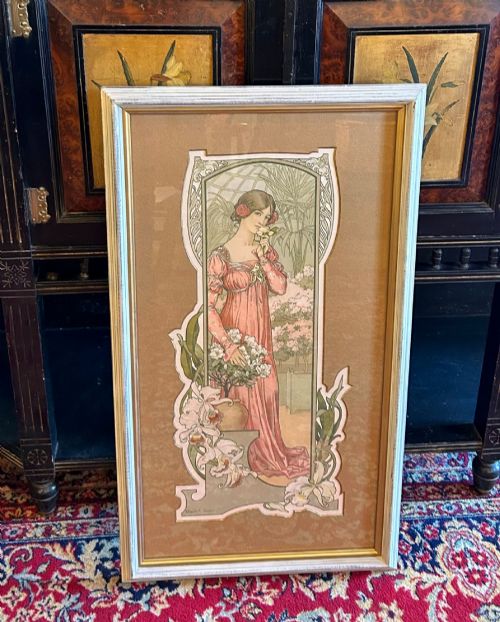
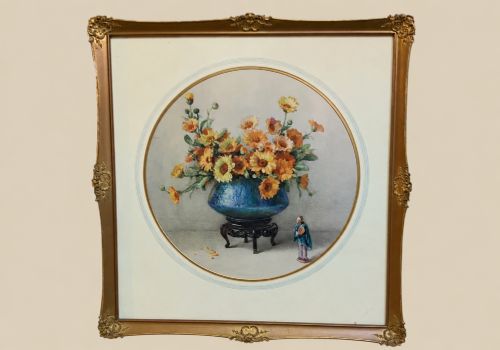
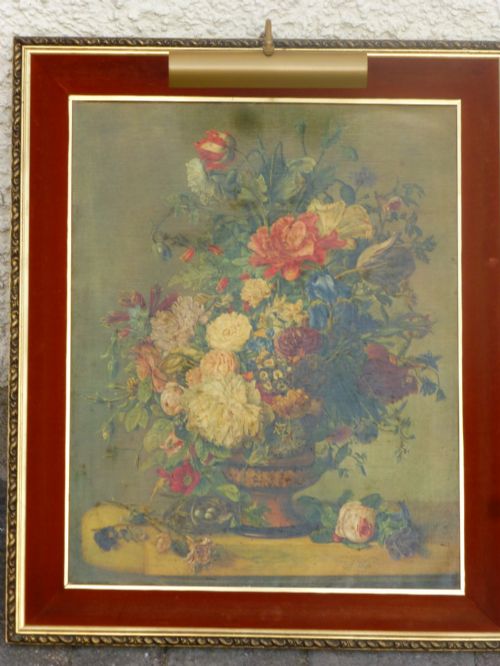
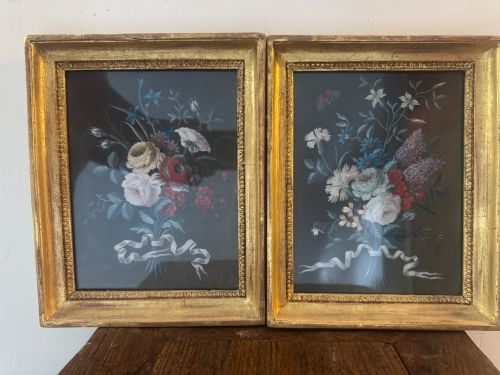
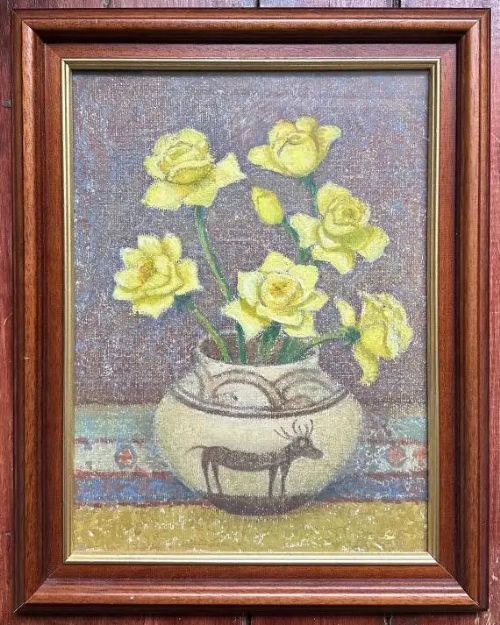
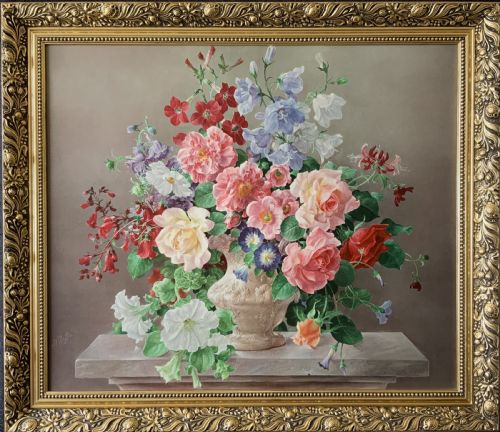
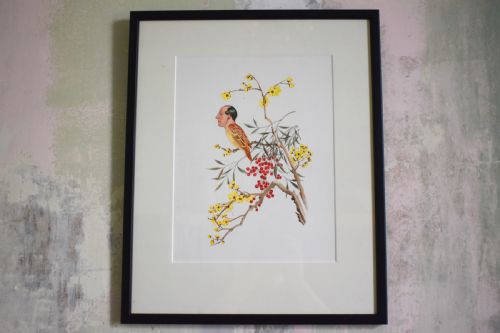
When you search for an antique floral print, you encounter a selection spanning the eighteenth, nineteenth, and early twentieth centuries. These works include hand-coloured engravings, lithographs, and original watercolours depicting botanical studies and flower still lifes.
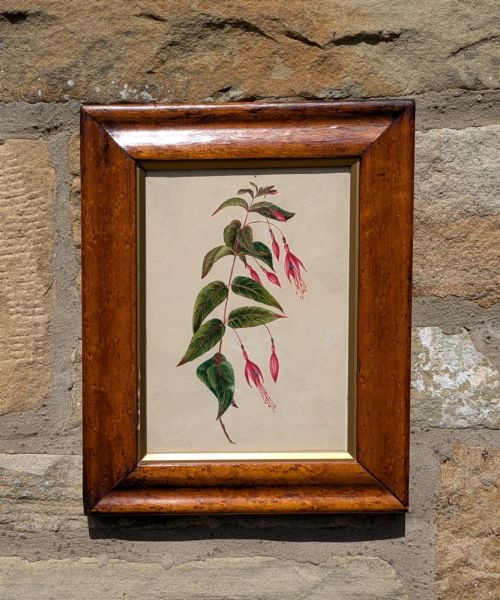
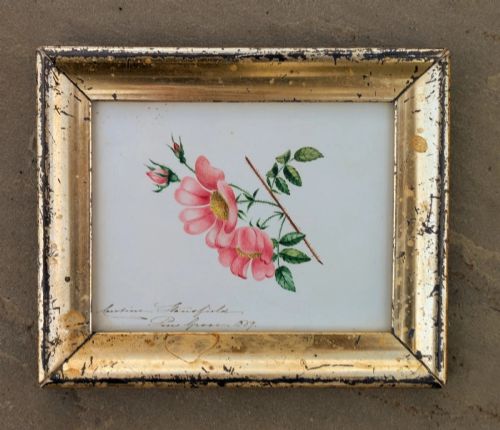
The most common examples on this page are nineteenth-century engravings and watercolours, often showing precise details of wild roses, fuscias, and botanical studies with insects and plants. Makers such as Pancrace Bessa and John Curtis appear in these historical plates.
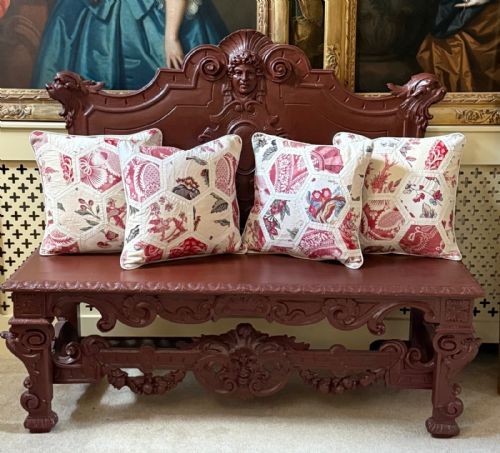
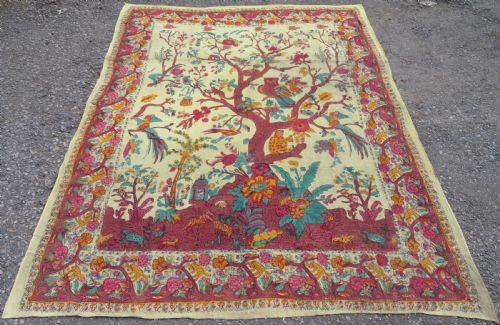
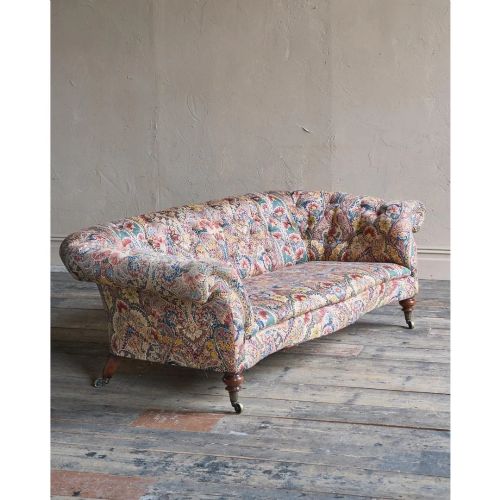
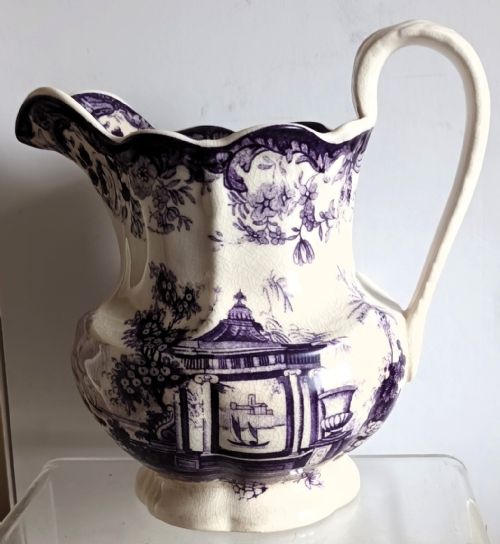
Beyond standard framed artwork, floral designs manifest on wallpaper panels, fabric printing blocks, and transfer-printed ceramics. These diverse objects share a central focus on floral illustration across various periods.
Materials and Technique
These pieces rely primarily on paper supports, utilising watercolour, gouache, pencil, and lithographic ink. Hand-colouring was frequently applied after the initial printing process to add realistic hues to botanical engravings.
Printing blocks carved from brass demonstrate the mechanical methods used for wallpaper and fabric reproduction during the Victorian era. Meanwhile, artists working on paper employed fine brushes and mixed media to capture floral garden scenes.
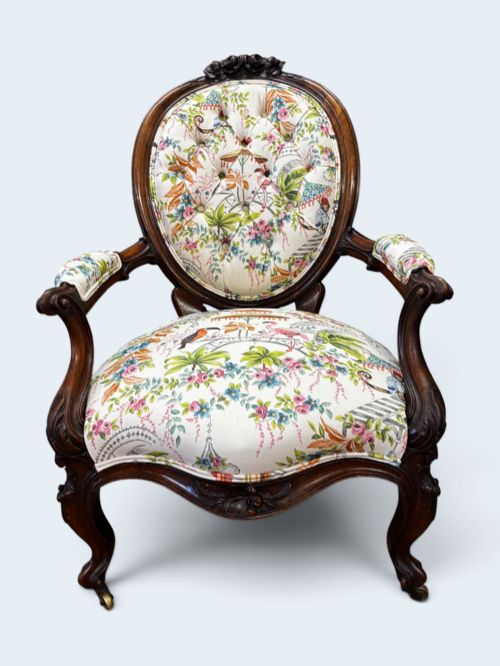
Listings feature works on paper alongside textiles, furniture, and ceramics, spanning the eighteenth century to the 1930s.
Evaluating Quality
Quality rests upon the precision of the draughtsmanship and the subtlety of the hand-colouring applied to the paper. Botanical studies by recorded artists display superior botanical accuracy and compositional balance compared to anonymous works.
The condition of the paper and the clarity of the original plate impressions dictate the visual impact of the print. Well-preserved sheets retain their original pigment depth without excessive fading or discoloration.
Elisabeth Sonrel·Simon Pietersz Verelst·Arthur Hopkins·Pancrace Bessa·Charlotte Isa James·John Curtis·Margaret Evangeline Wilson·Georg Wolfgang Knorr·Jane Utley
The Antique Floral Print Glossary
- Lithograph
- A print produced by drawing on limestone or a metal plate with a greasy substance. The ink adheres only to the drawn areas during the printing process.
- Engraving
- An intaglio printing method where an image is cut into a metal plate with a burin. This technique produces fine, crisp lines ideal for scientific botanical illustration.
- Gouache
- An opaque water-based paint mixed with a white pigment. It provides denser coverage than watercolour and allows for rich colour saturation.
- Transfer print
- A decorative technique where an engraved design is transferred from a copper plate to paper and then onto pottery. It permitted detailed monochromatic patterns on ceramics.
Antique Floral Print: Frequently Asked Questions
How do I date a botanical print?
Dating relies on the paper type, printing technique, and stylistic markers of the period. Typography, plate marks, and watermark evidence also help establish the timeframe.
Many nineteenth-century engravings carry publication dates in the margin. Comparing the paper texture and ink application to known examples provides further confirmation.
Are these prints hand-coloured?
Many historical botanical works received hand-colouring after the initial printing phase. Artists used watercolour or gouache washes to bring realism to engraved plates.
Examining the surface under magnification reveals brushstrokes over the printed lines. This distinguishes hand-applied pigment from purely mechanical colour printing.
How should I frame an antique print?
Framing requires acid-free mounts and backing boards to prevent the paper from yellowing over time. Conservation-grade materials protect the fragile fibres from chemical degradation.
Keeping the paper away from direct sunlight prevents the watercolour pigments and printed inks from fading. Glazing with UV-filtering glass offers an extra layer of preservation.
What is the difference between an engraving and a lithograph?
An engraving is printed from lines incised into a hard plate, creating sharp and defined contours. A lithograph is created from a flat stone or metal surface using oil-based resistance.
Engravings often accompany scientific texts for precise detail, while lithographs allow for softer tonal gradations. Both methods represent distinct periods of printmaking history.