


Early Victorian Artwork
Early victorian artwork brings together the painted portraits, silhouette works, and marine scenes that define nineteenth-century British visual culture.
Early Victorian Artwork
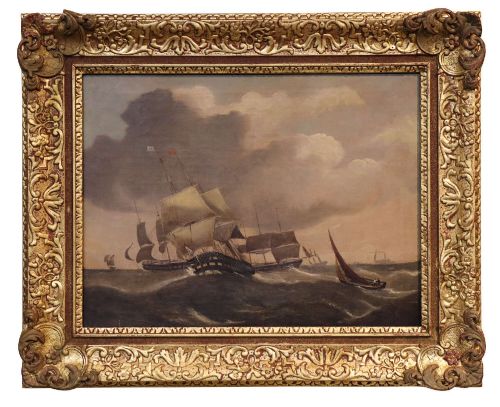
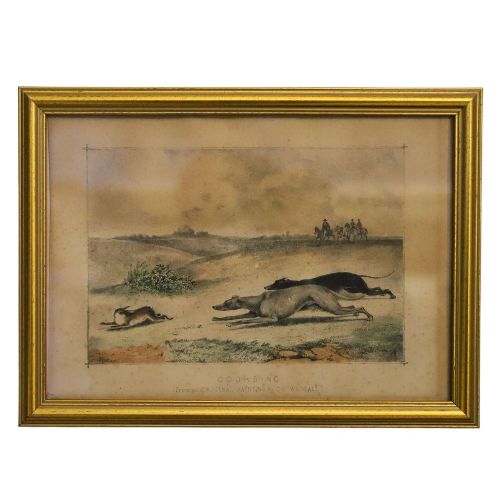
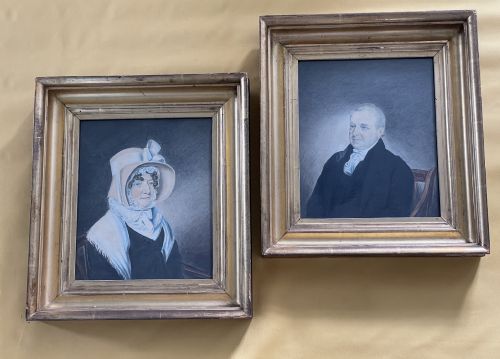
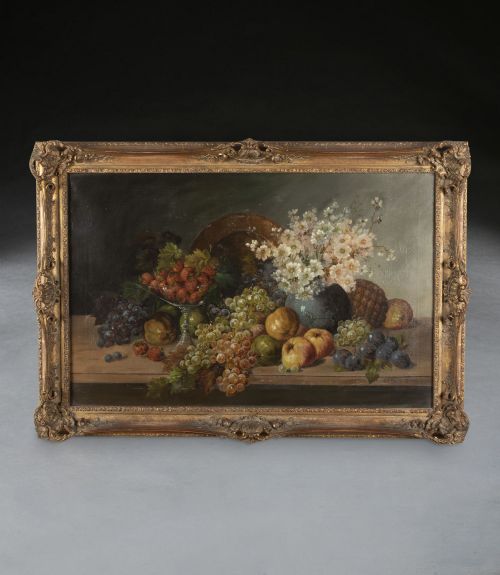
Early victorian artwork comprises a diverse mix of painted portraits, detailed silhouettes, landscapes, and maritime scenes created during the nineteenth century. Buyers searching for early victorian artwork frequently encounter watercolour portraits on paper or card, alongside oil paintings on canvas depicting figures, naval vessels, and sporting subjects.
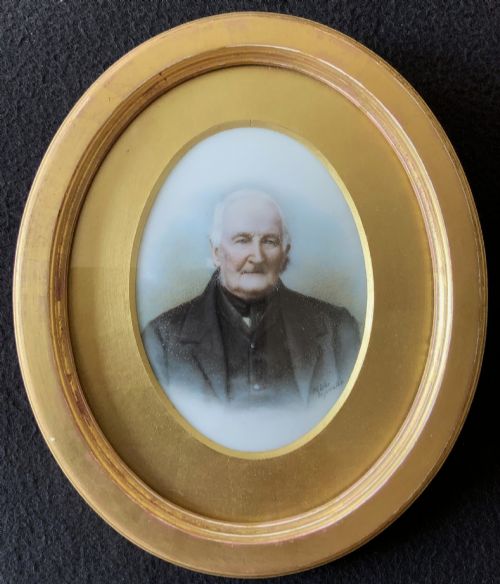
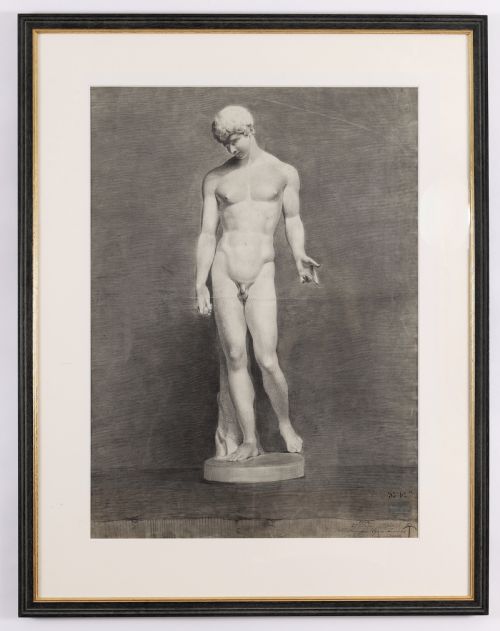
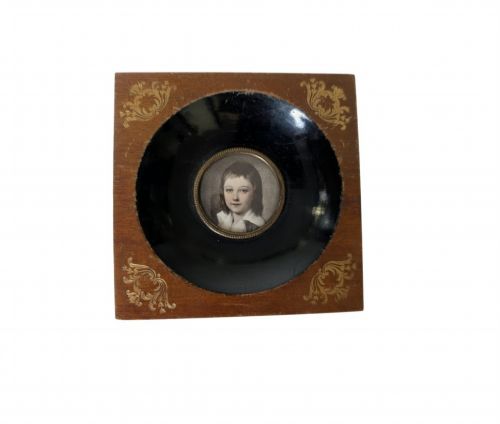
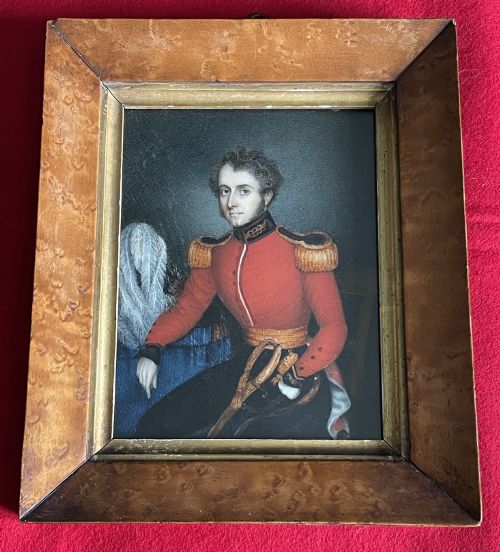
The selection ranges from naive school portraiture and finely rendered miniature paintings on glass to architectural views and lithographs. Most pieces originate from the broader nineteenth-century period, capturing the domestic interests and artistic output of the era.
Materials and techniques
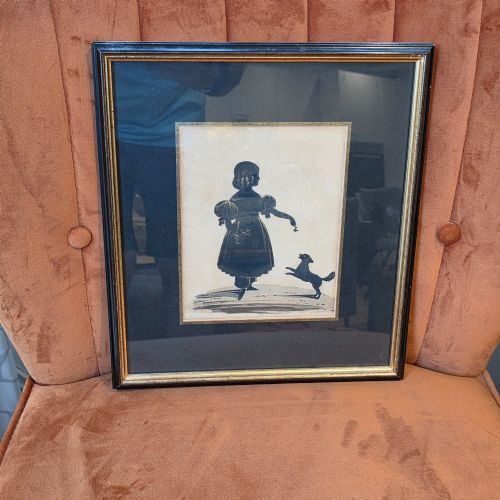
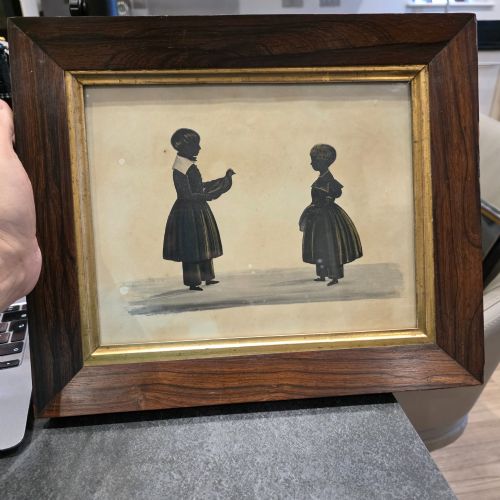
Makers utilised watercolour, oil on canvas, and ink wash applied to paper, card, and wood panels. Silhouette artists employed cut paper highlighted with gold leaf or watercolour, often framed within wood and gilt wood surrounds.
Canvas works relied on traditional oil pigments layered to achieve depth in maritime and landscape subjects. Portrait miniatures utilised watercolour on glass or card to capture fine facial details.
Several silhouettes depict subjects holding birds or accompanied by loyal dogs.
Quality and execution
Execution rests upon the precision of the brushwork or the exactness of the paper cutting in silhouettes. Superior examples display careful anatomical proportion and facial expression, whereas lesser works show stiffer, more naive handling.
The integration of original framing materials, such as period gilt wood or specific glass settings, elevates a piece. Preservation of the underlying paper or canvas without heavy intervention distinguishes finer survivals.
William James Hubard·Frederick Frith·Lewis J Wood·John Syer junior·William Mark Fisher
The Early Victorian Artwork Glossary
- Silhouette
- An outline portrait cut from paper or painted in solid dark profile. These works frequently incorporate fine ink detailing or gold leaf highlights.
- Miniature
- A small-scale painting executed with immense precision. These portable portraits often appear on card, glass, or ivory surfaces.
- Lithograph
- A print produced from a flat stone or metal plate using a chemical process that repels water and holds ink. This technique allowed multiple impressions of graphic art.
- Naive school
- Art created by self-taught makers working outside formal academic traditions. Such pieces prioritise directness and charm over strict perspective.
- Watercolour
- A paint medium utilising pigment suspended in a water-based solution. Artists applied these washes to paper or card to achieve translucent effects.
Early Victorian Artwork: Frequently Asked Questions
What defines early victorian artwork?
These works span paintings, drawings, and prints created during the early decades of the nineteenth century. They reflect the domestic tastes, portraiture traditions, and landscape interests of the period.
Common mediums include watercolour, oil paint, and cut paper. The subject matter ranges from military and naval portraits to sporting scenes and architectural views.
How were portrait miniatures displayed?
Miniature portraits were typically housed in small, protective frames made from wood, metal, or gilt materials. Many were designed to be portable or hung closely together on domestic walls.
Artists painted these small works on glass, card, or ivory surfaces. Their compact scale required specialised fine-brush techniques.
Are silhouettes considered paintings?
Silhouettes occupy a distinct category involving cut paper profiles rather than applied brushwork. Many examples include delicate painted ink details or watercolour additions.
Artists such as William James Hubard specialised in these cut paper compositions. They often mounted the profiles against contrasting backgrounds within period frames.
How do I identify a nineteenth-century painting?
Dating relies upon examining the materials, framing styles, and inscriptions found on the reverse of the canvas or paper. Nineteenth-century works frequently utilise specific canvas types and handmade paper stocks.
Stylistic cues such as costume, hair styling, and subject matter provide further chronological context. Signatures or back inscriptions often name the artist and the year of creation.