
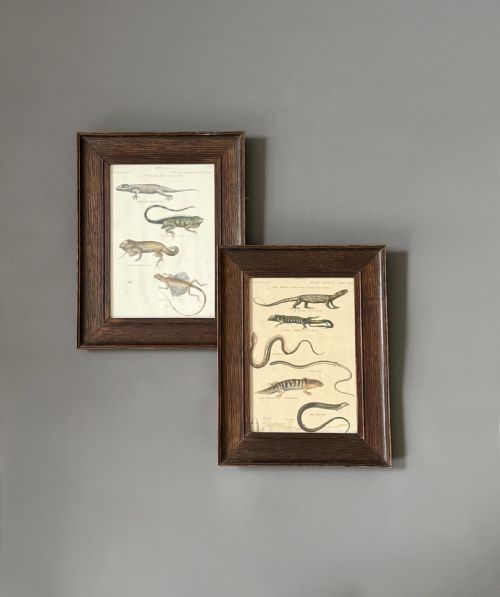
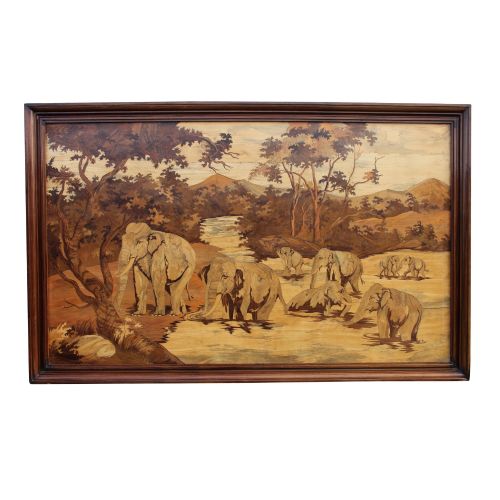
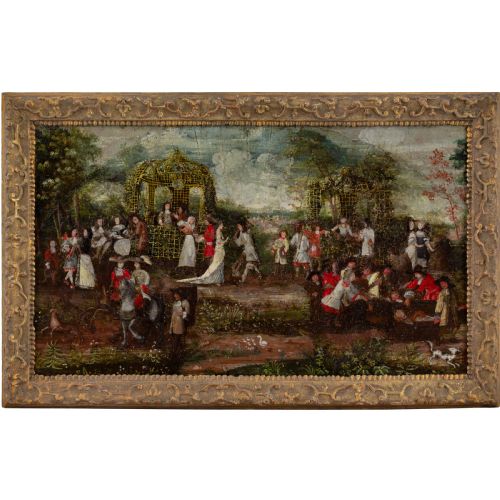
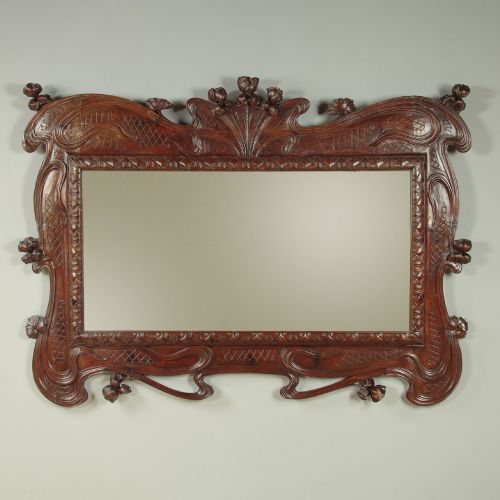


Wood Framed Wall Art
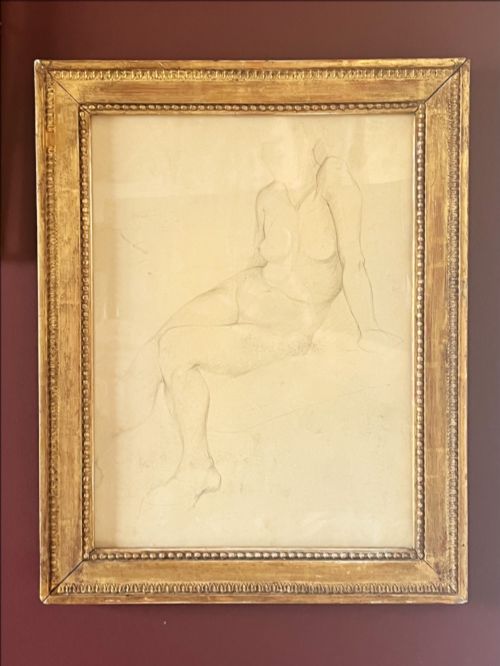
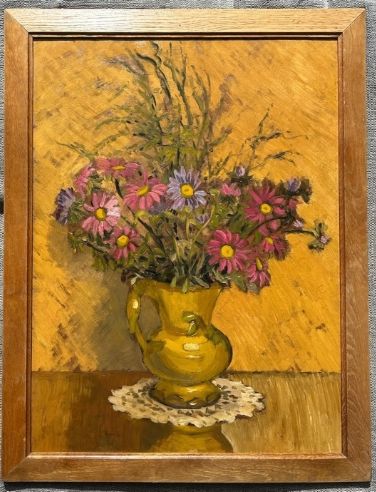
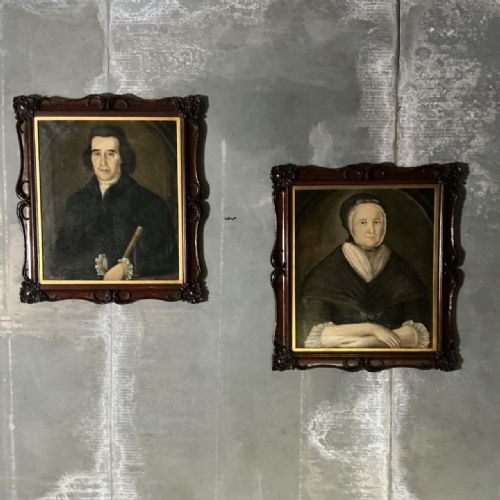
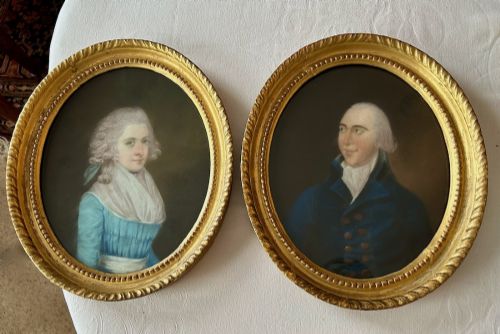
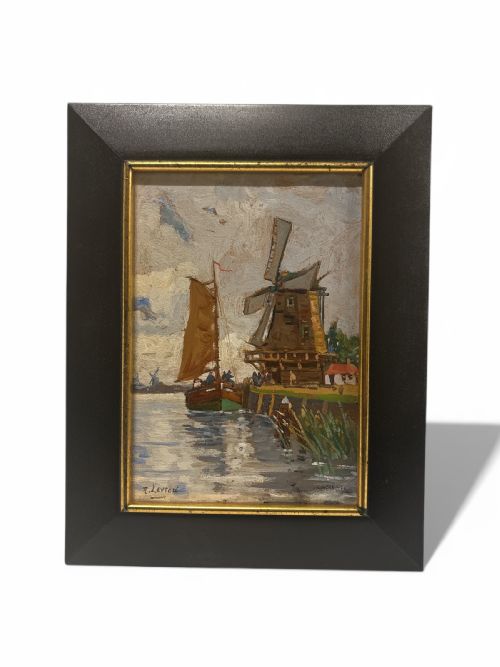
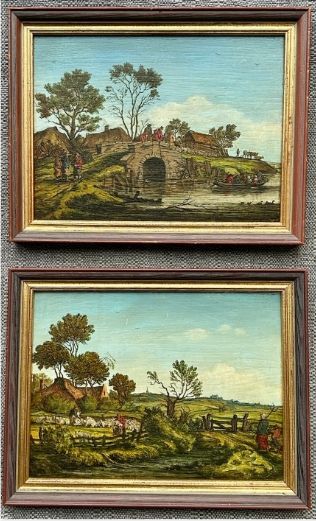
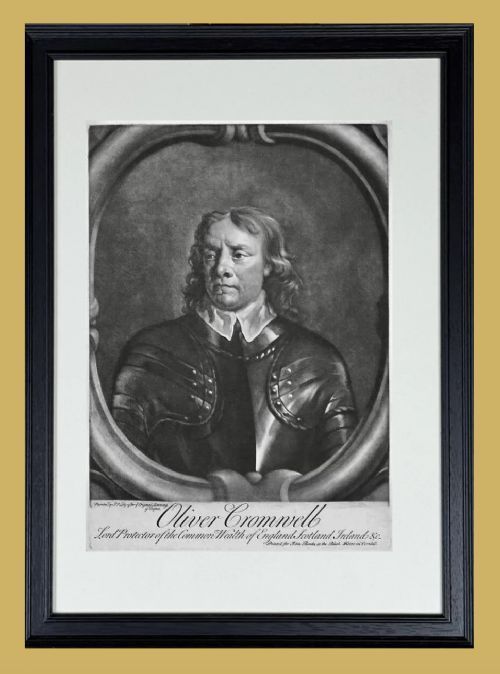
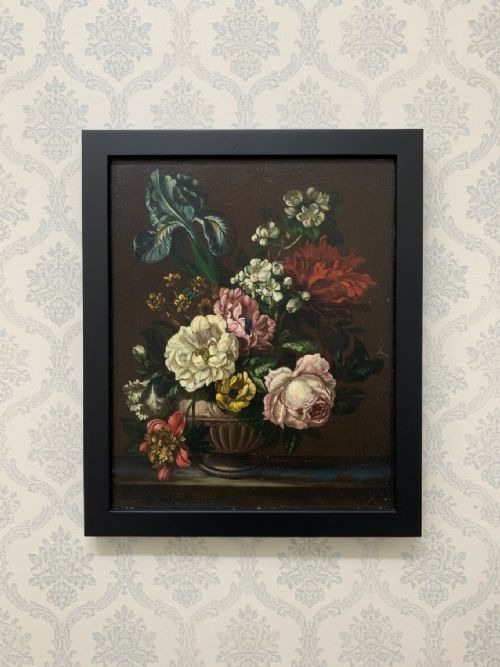
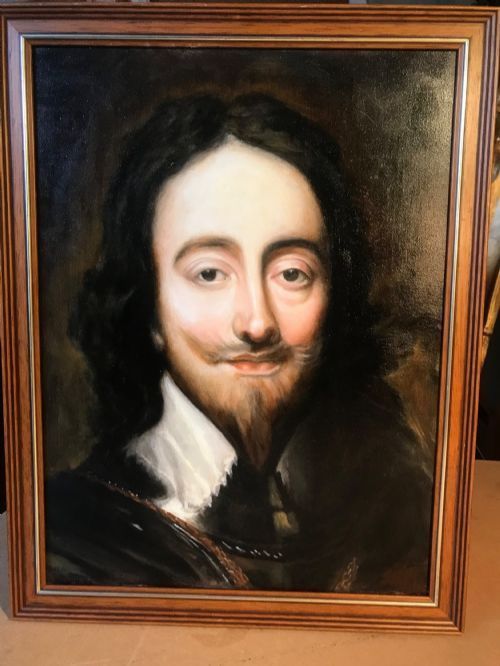
When you search for wood framed wall art, you are looking at centuries of portraits, landscapes, mirrors, and botanical studies housed in timber and gilt enclosures.
Wood Framed Wall Art
The selection encompasses oil paintings, pastels, watercolours, engravings, and mirrors spanning from the seventeenth century through to the mid twentieth century. Buyers encounter Dutch school still lifes, Regency portraits on panel, Victorian needlework samplers, and Edwardian marine scenes.
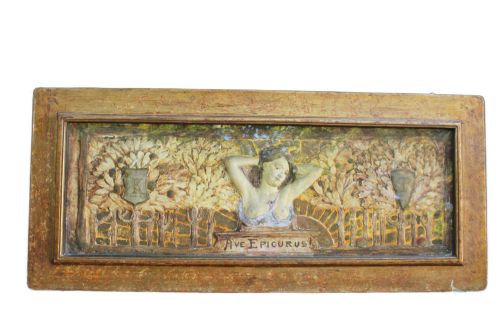
The timber surrounds take various forms, from deep carved gilt frames and simple rosewood borders to ebonised walnut and decorative plaster relief panels. These pieces reflect diverse aesthetics including Baroque, Georgian, Victorian, Art Deco, and Arts and Crafts traditions.
Materials and Construction
Artisans built the structural supports using traditional timbers such as walnut, rosewood, and gilt wood, often pairing them with glass protection for paper works, pastels, and silk paintings. Canvases, wood panels, and copper or board surfaces hold oil paint, while paper supports watercolours and engravings.
Makers utilised gold leaf gilding, ebonising techniques, and intricate hand-carved mouldings to finish the timber surrounds. Pigments were applied directly to canvas, panel, or paper using oil, pastel, or watercolour media.
The listings feature works created across eight distinct centuries and decades, spanning from the seventeenth century to 1960.
Evaluating the Pieces
Quality rests in the harmony between the artwork and its housing, particularly where original period frames remain paired with contemporaneous paintings, prints, or textiles. Fine brushwork, distinct provenance, and skilled hand-carving elevate individual examples.
Condition is defined by the preservation of the surface and the structural integrity of the timber moulding. Intact original glazing, stable panels, and well-maintained gilding distinguish superior works from later assemblies.
Kenneth Cozens·Joseph Clover RA·Sir Peter Lely·Samuel Cooper·Anthony Van Dyck·Stephen Samuel Lewin
The Wood Framed Wall Art Glossary
- Gilt wood
- Wood coated with a thin layer of gold leaf or gold paint. This technique creates a luminous, reflective border around paintings and mirrors.
- Oil on panel
- A painting executed on a wooden board rather than canvas. Artists utilised smooth wood surfaces to achieve fine detail in portraits and still lifes.
- Mezzotint
- A printmaking process of the intaglio family where tones are created by roughening the copper plate. It allows for subtle gradations of light and shade.
- Needlework sampler
- A piece of embroidery produced by a maker to demonstrate proficiency in various stitches. They frequently record the maker's name and age alongside dates.
- Intaglio
- A design engraved into the surface of a hard material such as stone or glass. Impressions are carved into the medium rather than raised above it.
Wood Framed Wall Art: Frequently Asked Questions
How do I date a frame?
Dating relies on timber types, joinery methods, and the style of the carved or moulded ornamentation. Georgian and Regency pieces typically show different joinery techniques compared to later Victorian or Art Deco examples.
Examining the reverse of the frame often reveals ageing indicators such as hand-cut screws, old backing boards, and oxidation patterns on the gilt or wood surfaces.
Are these paintings original?
The listings include original works executed in oil, pastel, and watercolour by named artists and regional schools. Mediums range from seventeenth-century portraits to mid-twentieth-century still lifes.
Signatures, artist inscriptions, and technical examination of the paint layer help distinguish original hand-painted works from later printed reproductions.
How should I hang heavy pieces?
Large oil paintings and mirrors with substantial wood and gilt frames require secure fixings anchored directly into wall studs or masonry. Using appropriate picture wire and heavy-duty wall hooks ensures safe weight distribution.
Professional framing assessment is recommended for pieces featuring heavy timber mouldings and original glass.
What periods are represented?
The selection spans from the seventeenth century through the Georgian, Victorian, and Edwardian eras into the 1950s and 1960s. Each period introduces distinct artistic movements and framing styles.
Examples include seventeenth-century Dutch school panels, eighteenth-century pastel portraits, and twentieth-century railway posters.