


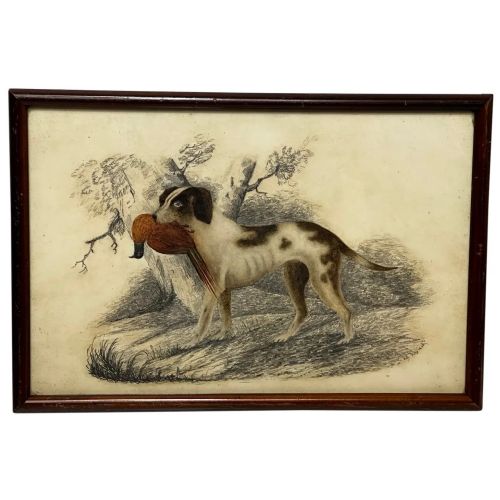


Early Victorian Print
An early victorian print brings mid-nineteenth-century visual culture directly into a room, offering a tangible link to the era's tastes and domestic decoration.
Early Victorian Print
An early victorian print encompasses a variety of framed artworks, engravings, and lithographs originating from the nineteenth century. These pieces often reflect contemporary interests in natural history, sporting scenes, and theatrical subjects.
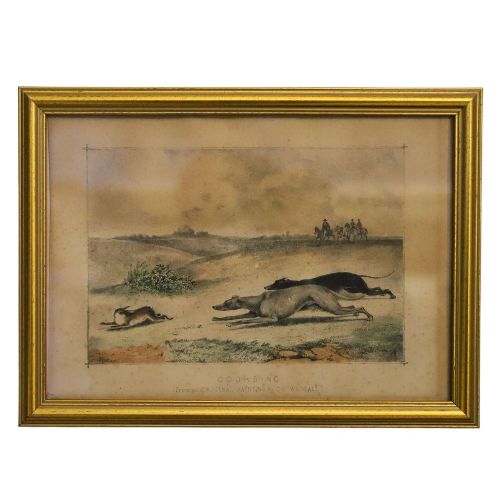
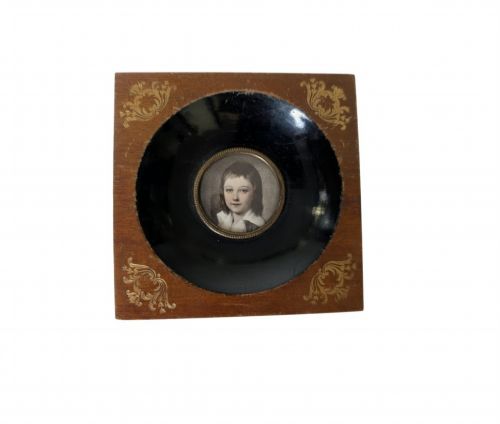
Buyers browsing this selection encounter framed prints of miniatures alongside larger works associated with British field sports or topographical views. The materials span from paper and ink housed in period frames to ceramic plates featuring transfer printing.
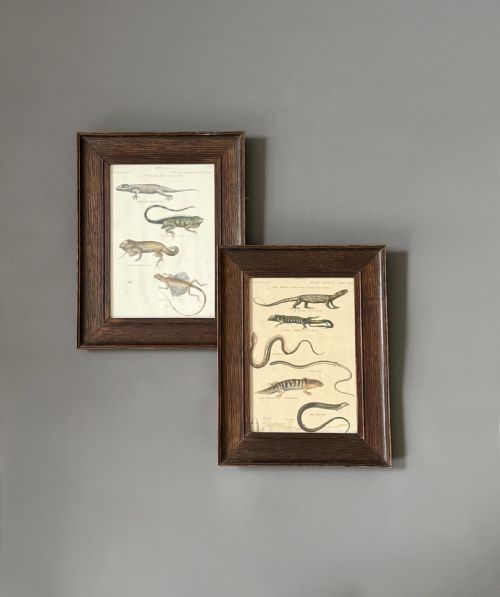
The assortment reflects the diverse output of the period, merging Regency aesthetics with emerging Victorian styles. Works range from hand-coloured reptile engravings to architectural lithographs dated to the eighteen-forties.
Production and Materials
Many items utilise paper and ink, often enhanced with hand-colouring or produced via lithographic methods on metal printing plates. These techniques allowed for both detailed natural history illustrations and broader sporting scenes.
Ceramic pieces incorporate blue and white transfer printing onto earthenware, creating durable domestic wares such as meat platters and decorative plates. Metal, wood, and glass frequently appear in the framing and structural components of the works.
The selection includes natural history subjects, sporting scenes, and blue and white transfer printing.
Evaluating Quality
The calibre of an early victorian print rests on the clarity of the impression and the precision of any hand-applied colour. Stronger examples demonstrate careful preservation of the paper surface and crispness within the lithographic or engraved lines.
Framing also plays a role in the overall presentation, with period woodwork such as rosewood enhancing the piece. The depth of the blue transfer print on ceramic items distinguishes finer examples from simpler domestic wares.
William Bird MD FLS·John Horner Halifax Pontifex·C. H. Weigall·H.P.Parker
The Early Victorian Print Glossary
- Lithograph
- A print produced from a flat stone or metal plate prepared so that ink adheres only to the design. This technique became prominent for reproducing detailed topographical views and artistic compositions during the nineteenth century.
- Transfer Print
- A method where an engraved design is pulled on paper from a copper plate and then transferred onto ceramic surfaces. It allowed factories to produce intricate blue and white patterns on plates and platters efficiently.
- Engraving
- An intaglio printmaking process where an image is cut into a metal plate with a sharp tool. The resulting lines hold the ink for pressing onto paper.
- Tinsel Print
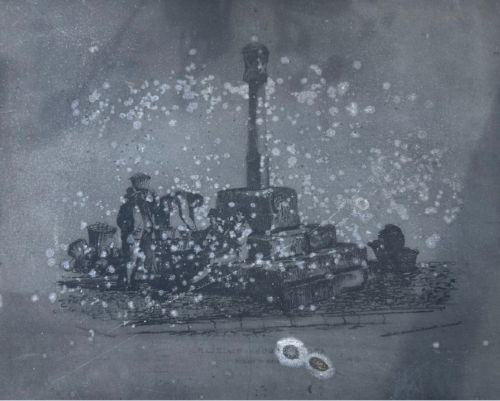
- A theatrical print embellished with pieces of tinsel, fabric, and foil applied by hand. These decorative works were popular in the nineteenth century for depicting actors in character.
Early Victorian Print: Frequently Asked Questions
What subjects appear in early Victorian prints?
The subjects range from natural history and sporting scenes to theatrical decoupage and topographical views of cities.
Artists and publishers of the period also recorded children, miniatures, and Chinese garden motifs.
How were these prints originally framed?
Frames from the period often utilised wood such as rosewood, sometimes housing pairs of prints together.
These surrounds were designed to complement the domestic interiors of the nineteenth century.
Are transfer printed ceramics considered prints?
Blue and white ceramics utilise a transfer printing technique derived from copper plate engraving processes.
Items like meat plates and soup ladles share decorative methods with works on paper.
How do I care for framed paper prints?
Paper and ink works require protection from direct sunlight to prevent fading of the pigments and discolouration of the paper.
Maintaining stable humidity levels helps preserve both the artwork and its original frame.