
18th Century Landscape Art
18th century landscape art brings pastoral scenes, classical ruins and wooded valleys into a room through oil, engraving and tapestry.
18th Century Landscape Art
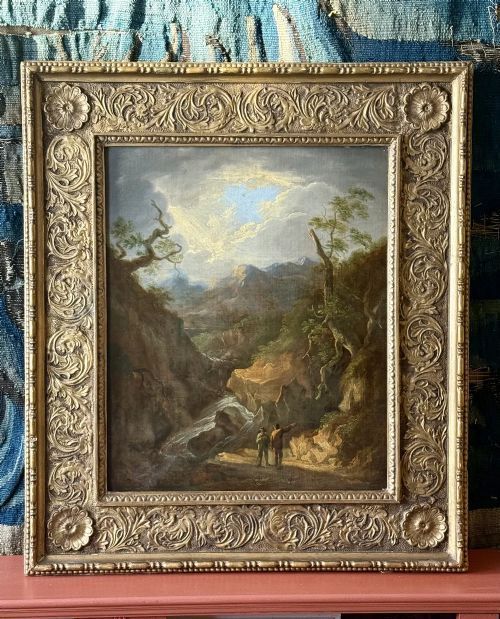
When buyers search for 18th century landscape art, they encounter oil paintings, works on paper, needlework pictures and woven tapestries depicting pastoral and topographical subjects. The selections range from British country paths and Scottish lakes to idealised Italianate views influenced by continental schools.
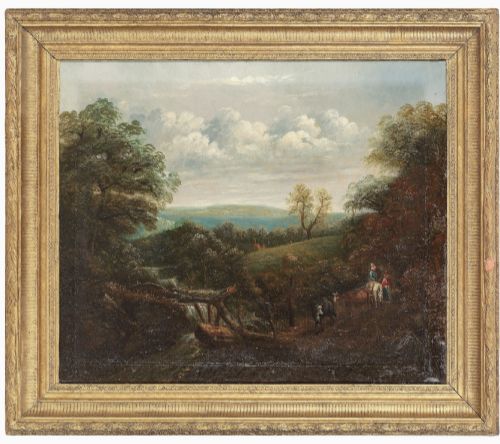
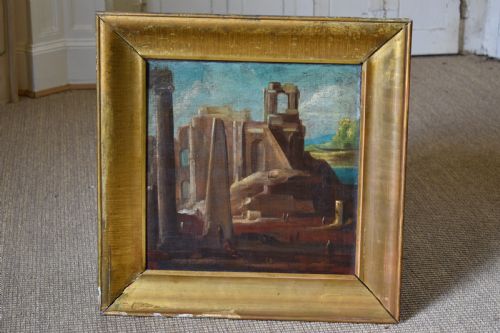
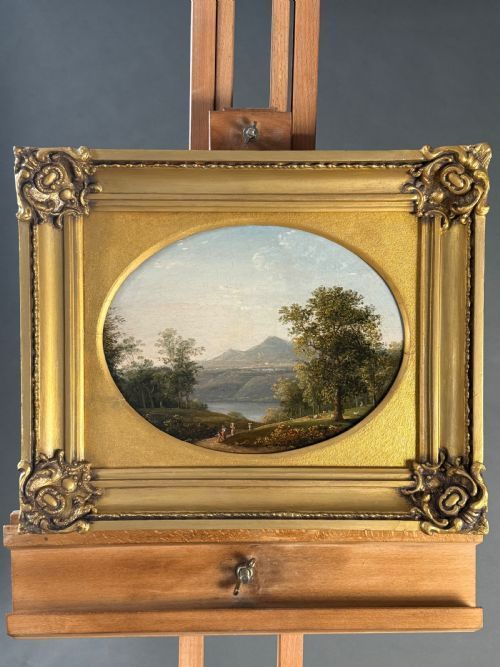
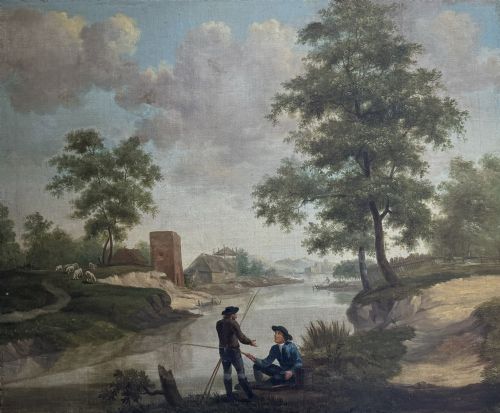
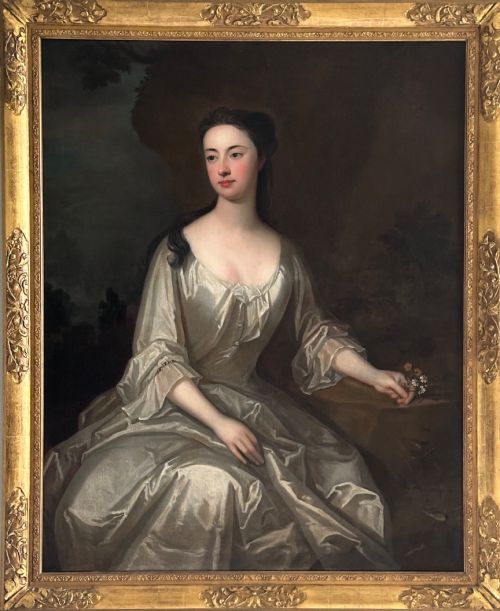
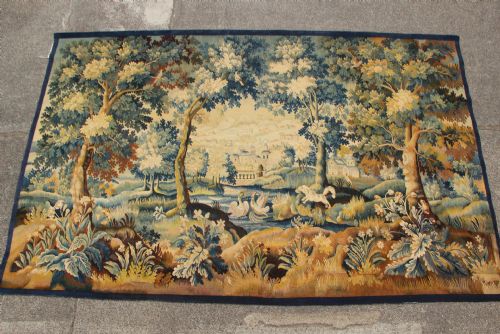
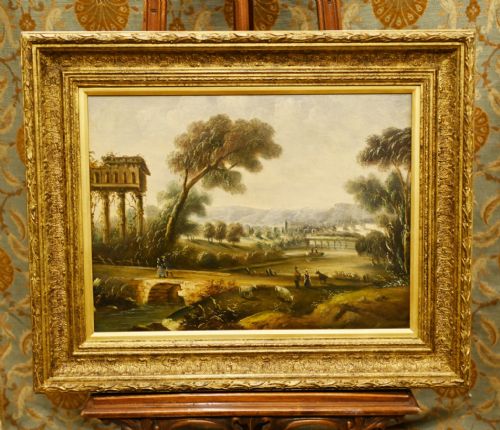
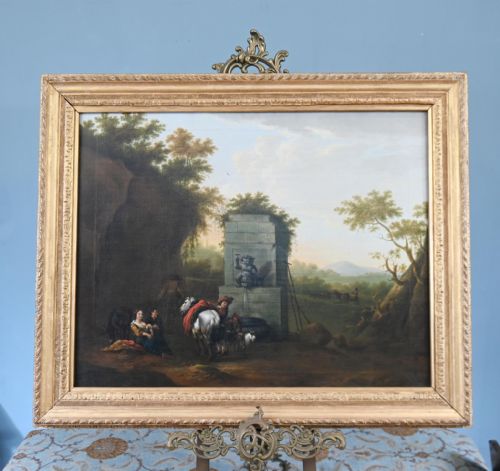
The version most commonly met on this page is the oil painting on canvas or wood panel, often framed in giltwood and capturing figures beside rivers or ruins. Alongside these, textile works such as large verdure tapestries and framed needlework panels represent the period's domestic interest in bringing green woods indoors.
Materials and Techniques
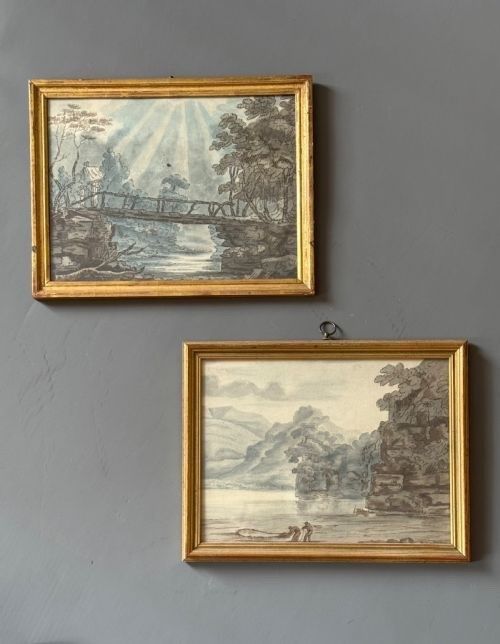
The primary medium involves oil paint applied to canvas, wood panels or copper, paired with heavy carved giltwood frames. Works on paper utilise pen, ink and watercolour, sometimes annotated or sketched directly from nature during early tours.
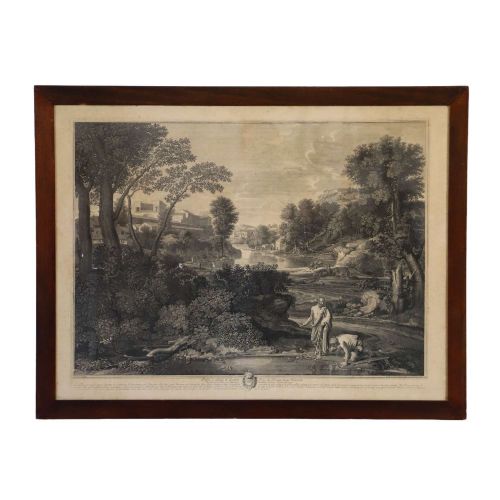
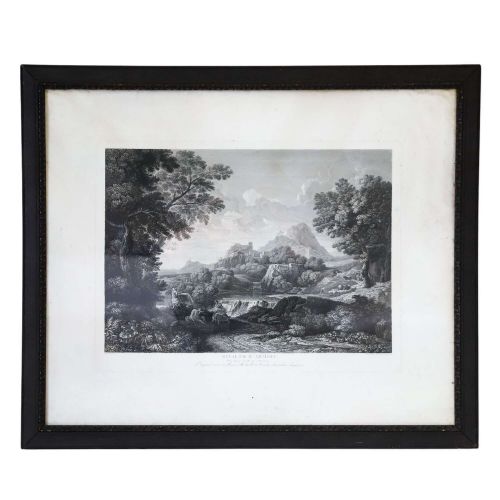
Textile interpretations employ wool, silk and gold leaf woven into large verdure tapestries or stitched as detailed needlework pictures. Engravings on paper executed by master printmakers replicate famous compositions within original frames.
18th Century Landscape Art Retail Price Guide 2026
Typical asking prices for 18th century landscape art among the pieces listed under this phrase on Sellingantiques today, from the lower quarter to the upper quarter. They describe what is for sale here now, not the wider market.
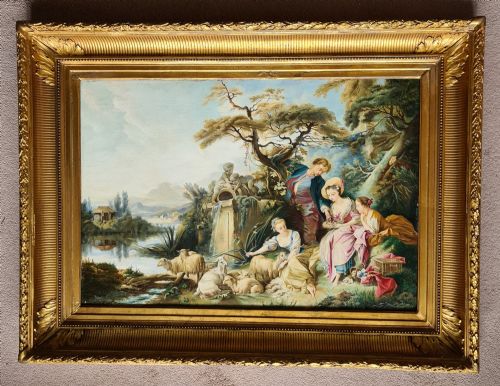
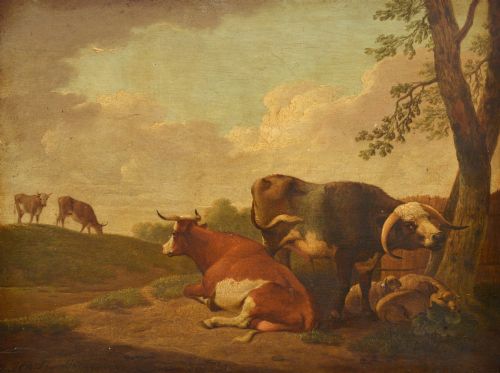
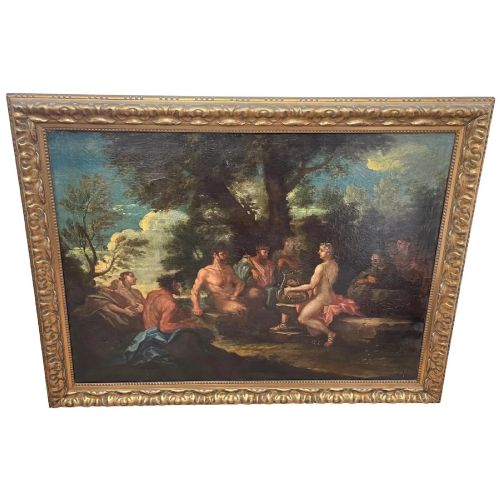
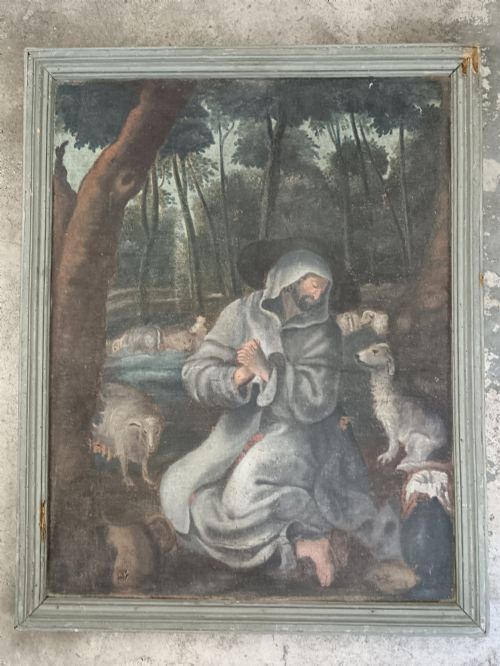
Several sheep and cattle populate these historic pastures, occasionally sharing the canvas with wandering philosophers and stray domestic pets.
Distinctions in Quality
The upper tier of works demonstrates confident brushwork, precise anatomical rendering of figures and animals, and harmonious composition that follows classical Dutch or Italianate conventions. Lesser examples display stiffer execution, flat foliage or naive proportions from regional or follower hands.
Frame integrity and originality also separate pieces, where period giltwood mouldings that match the age of the canvas elevate the complete object. Works showing visible pentimento or alterations reveal the working process of the artist, adding depth for the informed collector.
Hendrik Willem Schweickhardt·Benjamin Barker of Bath·Jacob Philipp Hackert·George Morland·John Hamilton Mortimer
The 18th Century Landscape Art Glossary
- Verdure tapestry
- A large wall hanging woven with a predominant theme of foliage, trees, and landscapes, often featuring birds or animals.
- Italianate
- A style of painting that adopts the warm light, classical ruins, and compositional balance of the Italian countryside.
- Pentimento
- A visible trace of earlier painting underneath a layer of paint, showing where the artist changed their mind during composition.
- Grand Tour
- A traditional trip through Europe undertaken by upper-class young men in the 18th century to collect art and antiquities.
- Giltwood
- Wood, typically carved timber, that has been coated with a thin layer of gold leaf or gilt powder.
18th Century Landscape Art: Frequently Asked Questions
How do I hang a large antique tapestry?
Large tapestries require a weight-distributing batten or a hidden pocket sewn to the reverse to support the heavy wool and silk fabric evenly across the wall.
Keep textile works out of direct sunlight to prevent fading of the natural dyes used in the verdure foliage.
What is an Italianate landscape?
An Italianate landscape is a scene painted by northern European artists who travelled to Italy and combined local rural views with classical ruins, warm light and mountainous backdrops.
These compositions focused on idealised pastoral harmony rather than topographical accuracy.
How were oil paintings framed in the 18th century?
Paintings from this era were typically housed in carved wooden frames finished with gesso and gold leaf, designed to complement the depth and tone of the canvas.
Original frames often feature corner cartouches and distinct mouldings that match the specific regional workshop of the period.
What distinguishes a needlework picture from a painting?
Needlework pictures use fine silk and wool threads stitched onto a backing canvas to render pictorial scenes of figures, animals and trees in place of pigment.
These framed textile works offer textured surfaces and subtle colour gradients achieved through specialised embroidery stitches.