






Antique Oak Panel Artwork
These antique oak panel artwork pieces bring centuries of oil paint and wood together on your wall, offering a tangible link to past master classes.
Antique Oak Panel Artwork
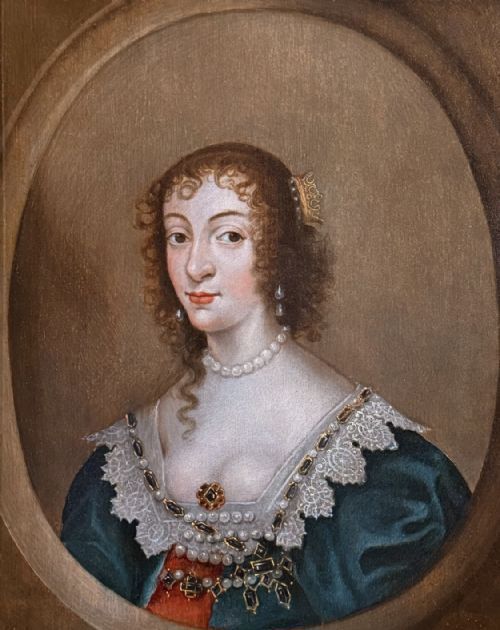
When searching for antique oak panel artwork, collectors encounter oil paintings and wall art rendered directly onto sturdy wooden boards rather than canvas. The selection spans the seventeenth, eighteenth, and nineteenth centuries, alongside Victorian and later interpretations.
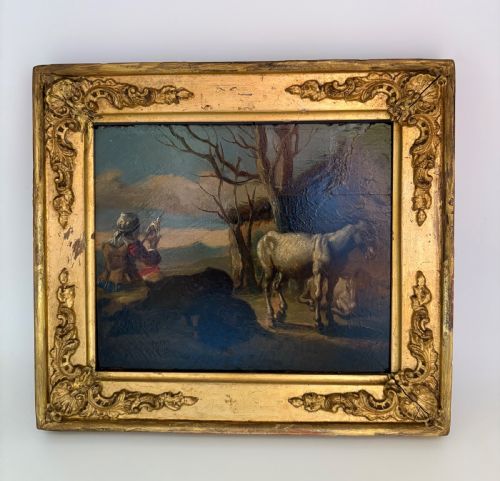
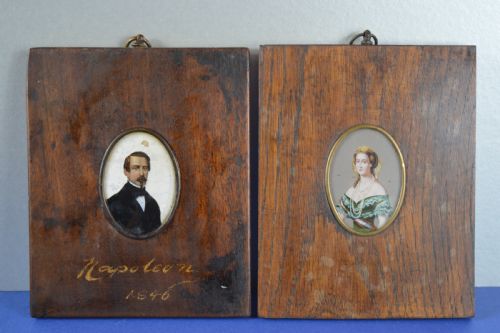
Most pieces combine traditional oil paint with a solid oak panel support, featuring subjects from portraits and landscapes to still life arrangements and historical scenes. Examples range from seventeenth century portraits to eighteenth century Dutch flower still lifes and nineteenth century hunting depictions.
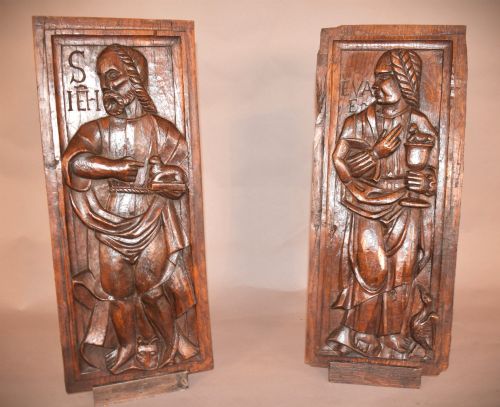
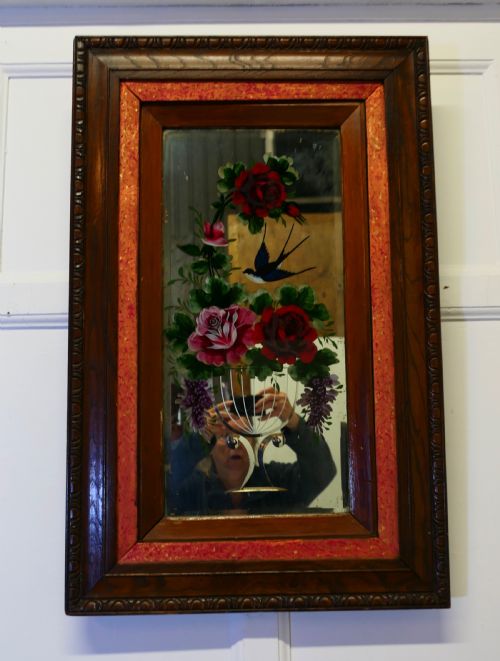
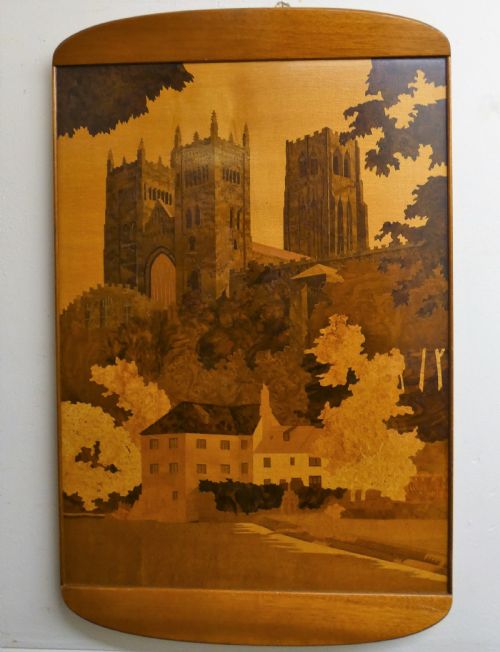
Buyers also meet carved panels, framed tile pictures, and reverse painted mirrors framed in giltwood. These works reflect stylistic influences from the Baroque period, the Dutch Golden Age, and Italian schools.
Materials and construction
Makers utilised seasoned oak as a stable substrate, preparing the wood surface to receive layers of oil paint. Pigments were applied with precision, capturing fine details in portraits, landscapes, and still life compositions.
Many works retain their period frames, including ornate giltwood surrounds that complement the timber panels. Wood panels provide a rigid base that preserves the integrity of the paint over centuries.
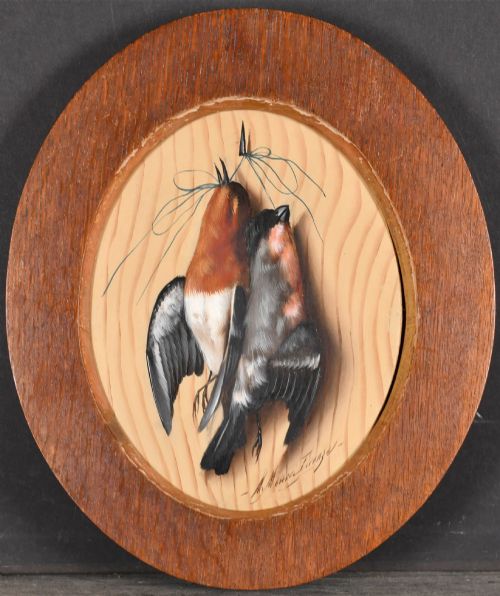
Songbirds suspended in a trompe l'oeil still life share space with formal halls and hunting hounds on sturdy sixteenth-to-nineteenth-century timber.
Variations in quality
The standard of execution in brushwork and composition separates works by accomplished artists or followers of known schools from more modest decorative pieces. Finer paintings demonstrate superior command of light, shadow, and anatomical or botanical precision.
The condition of the oak panel and the preservation of the original oil paint layer influence the overall integrity of the piece. Surviving period frames and documented attribution to specific artistic traditions also elevate the standing of an item.
Michelangelo Meucci·Philipp Peter Roos·George Lambert·Joseph Murray Ince
The Antique Oak Panel Artwork Glossary
- Oak panel
- A flat piece of oak timber utilised as a rigid support for oil paintings and decorative works.
- Oil paint
- A slow-drying paint made by combining pigments with a drying oil, typically linseed.
- Giltwood
- Wood, such as a picture frame, that has been covered with a thin layer of gold leaf or gilt.
- Trompe l'oeil
- An art technique involving extremely realistic imagery in order to create the optical illusion that the depicted objects exist in three dimensions.
Antique Oak Panel Artwork: Frequently Asked Questions
How do I care for an oak panel painting?
Keep the artwork away from direct sunlight and dramatic fluctuations in temperature or humidity. Stable indoor conditions prevent the wood panel and oil paint layers from expanding or contracting.
Dust the surface gently with a soft, dry cloth without applying pressure or cleaning solutions. Consult a professional conservator if the paint requires attention.
Why did artists paint on wood instead of canvas?
Wood panels provided a completely rigid and durable surface for detailed brushwork long before stretched canvas became standard practice. Oak was particularly favored for its strength and availability in Northern Europe.
Paint applied to wood panels often survived the centuries with less risk of tears or slackening, though the timber required careful preparation to prevent warping.
How can I tell the age of a panel painting?
Examine the reverse of the wood panel for tool marks, grain patterns, and signs of age such as oxidation or shrinkage. The framing style and preparation methods also offer clues to the period.
Stylistic elements, costume details in portraits, and pigment analysis help narrow down the century in which the artwork was created.
What subjects are common in these paintings?
Portraits, landscapes, still lifes of flowers or songbirds, and historical or religious scenes frequently appear on these panels. Many follow distinct artistic traditions like the Dutch Golden Age style.
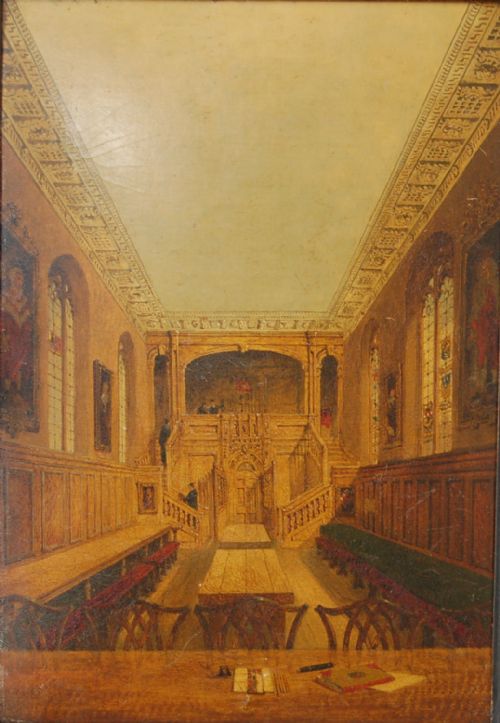
Scenes range from formal architectural interiors to outdoor hunting pursuits involving hounds and foxes.