




Georgian Architectural Landscape
A georgian architectural landscape brings together classical ruins, country seats and historic townscapes through the precise eyes of 18th-century and Regency artists.
Georgian Architectural Landscape
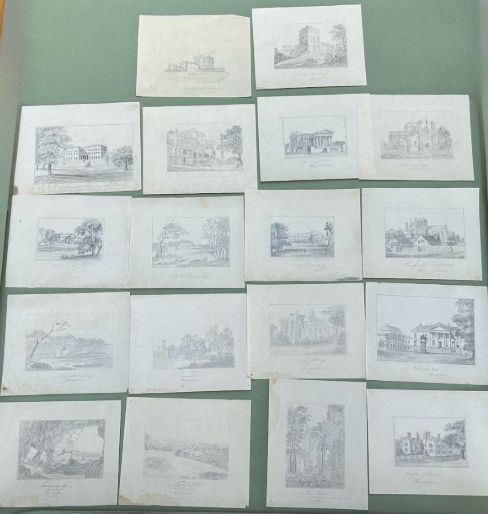
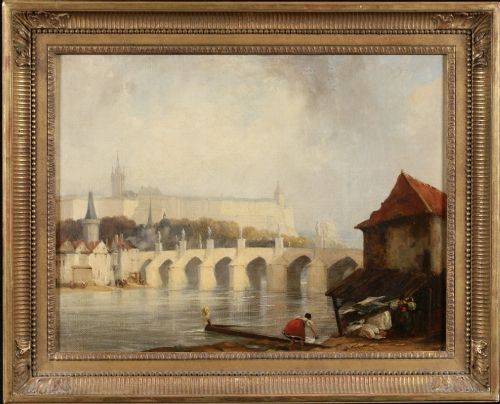
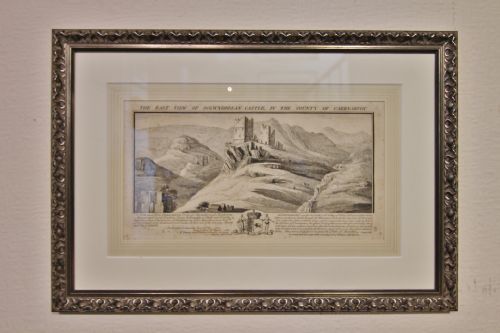
A georgian architectural landscape captures the built environment of the period, from grand country seats and Scottish schools to Italianate ruins with classical figures. These works range from expansive oil paintings on canvas and oak panel to detailed pencil drawings, graphite sketches, and coloured lithographs.
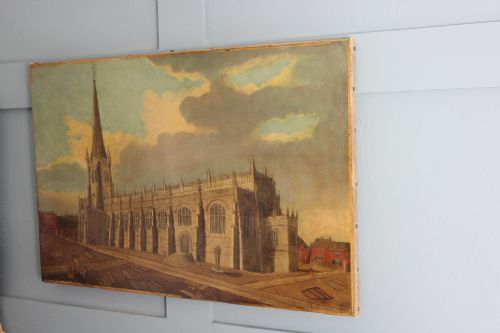
The compositions place significant buildings, bridges, and castles at the centre, often framed by the natural topography of their surroundings. Viewers encounter urban landscapes, Welsh castles, and cathedral studies executed across the eighteenth and nineteenth centuries.
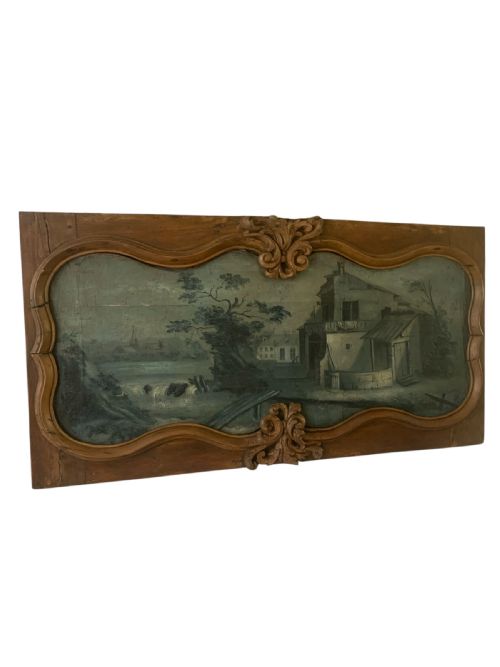
Works on this page encompass British topographical views alongside continental scenes, including Italianate compositions influenced by the Grand Tour and classical antiquity. The variety spans finished oils designed for overdoors to intimate architectural studies on paper.
Materials and techniques
Painters utilised oil on canvas and oak panel to build up rich, lasting compositions, while draughtsmen employed graphite and pencil on paper for precise topographical studies. Coloured lithographs and engravings allowed popular architectural views of castles and pavilions to reach a wider audience.
Giltwood frames and white painted surrounds frequently complement the oil paintings and overmantel mirrors of the Regency and Georgian eras. Pigments and paint were applied with careful attention to structural perspective, masonry details, and atmospheric landscape settings.
Listings feature works spanning the 18th century, 1800, and the Regency period, executed in oil on canvas, oak panel, paper, and giltwood.
Judging quality and hand
The distinction between standard topography and exceptional work lies in the handling of perspective, light, and structural detail within the buildings. Masterly control of graphite or oil reveals itself in the rendering of stone masonry, classical capitals, and human figures integrated into the scene.
Attribution to named hands or recognised schools, such as the Scottish School or followers of established painters, elevates the standing of a piece. The preservation of the original support, whether oak panel, paper, or canvas, dictates the overall integrity of the work.
Giovanni Paolo Panini·T.M Baynes·Sir Francis Leggatt Chantrey·George Lambert·John Cawthorn·Peter Tillemans·William Marlow·Henry Edridge·John Thirttle
The Georgian Architectural Landscape Glossary
- Italianate
- A style reflecting the landscape and architectural traditions of Italy, frequently featuring classical ruins and sunlit vistas. Artists of the 18th century often adopted this aesthetic following travels abroad.
- Overmantel mirror
- A large looking glass designed to hang above a fireplace mantel, sometimes incorporating decorative painted panels or triptych sections. Regency examples frequently feature white painted and giltwood frames.
- Lithograph
- A printmaking process based on the repulsion of oil and water, enabling the reproduction of detailed topographical drawings. These coloured prints recorded castles, houses, and city views for collectors.
- Oak panel
- A rigid wooden support used by painters before canvas became dominant, offering a stable surface for detailed oil compositions. Panel paintings from the 18th century require careful environmental control to prevent warping.
Georgian Architectural Landscape: Frequently Asked Questions
What is a georgian architectural landscape?
It is a painting, drawing, or print from the 18th or early 19th century that depicts buildings, castles, or classical ruins within a scenic setting. These works document historic architecture through the artistic conventions of the period.
Subjects range from precise topographical studies of British cathedrals and city streets to imaginative Italianate compositions featuring classical masonry and figures.
How were these architectural paintings displayed?
Many oil paintings and painted panels served as overdoors or decorative elements integrated into the interior architecture of period homes. Smaller sketches and drawings were typically kept in portfolios or framed for intimate study.
Larger canvases and framed watercolours occupied prominent positions in drawing rooms and libraries, reflecting the owner's taste for travel and estate history.
How do I date a georgian architectural landscape?
Dating relies on stylistic clues within the depicted architecture, costume of any figures present, and the medium itself. Pencil sketches on early 19th-century paper differ noticeably in handling from 18th-century oils on oak panel.
Signatures, stamps, contemporary inscriptions on the reverse, and known artist working dates provide further confirmation of the period.
How should I care for works on paper?
Works on paper, including pencil drawings and lithographs, require protection from direct sunlight to prevent fading of the graphite and pigments. Acid-free mounting and framing ensure the paper does not discolour over time.
Maintaining stable humidity levels in the room prevents cockling of the paper and protects the integrity of fragile antique drawings.