


Antique Gilded Artwork
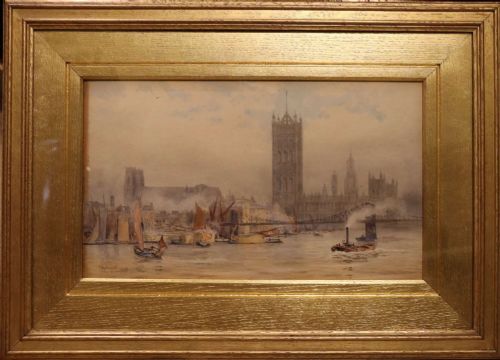
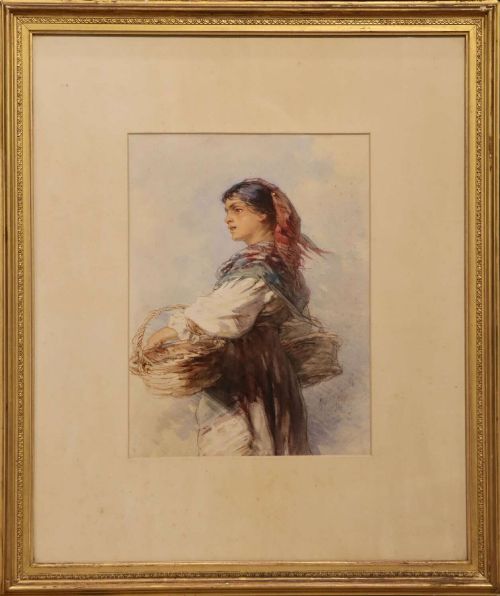
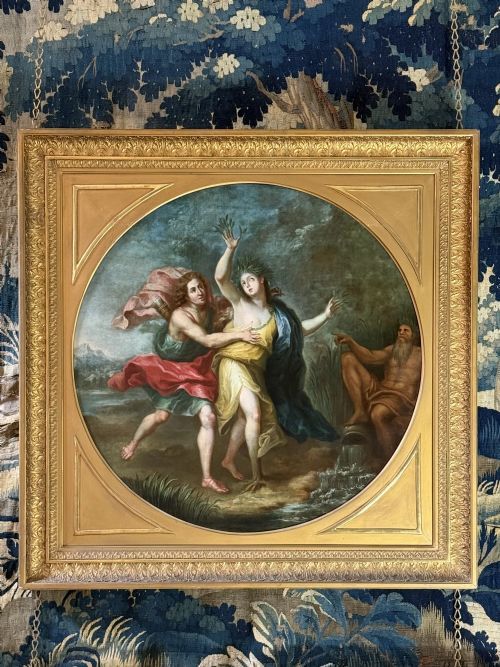
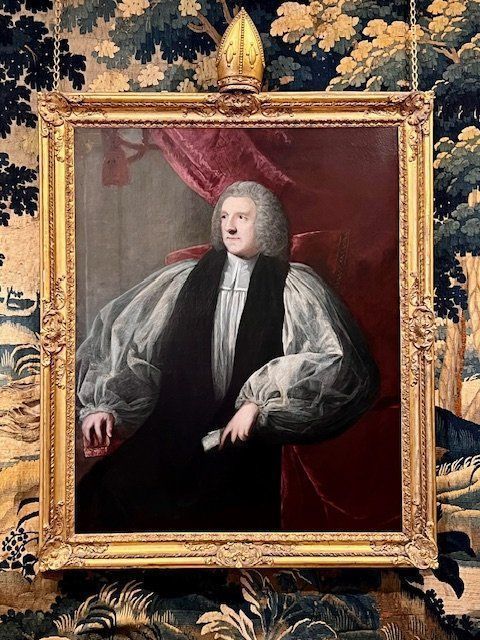
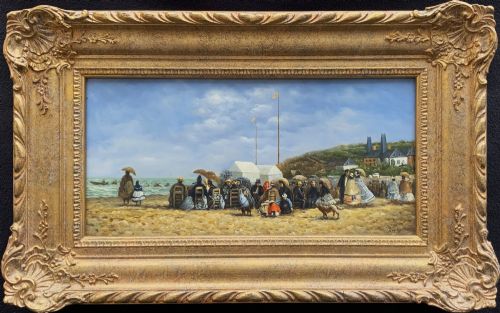
When you search for antique gilded artwork, you enter a world of oil paintings, pastel portraits, and framed prints caught in bright metallic leaf.
Antique Gilded Artwork
When searching for antique gilded artwork, buyers encounter pieces spanning from the seventeenth century through to the mid-twentieth century, with the nineteenth century heavily represented.
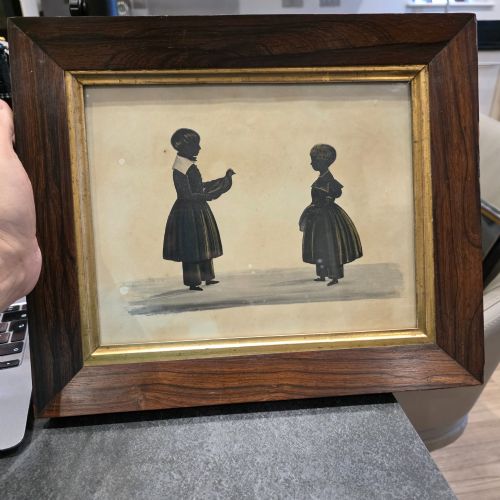
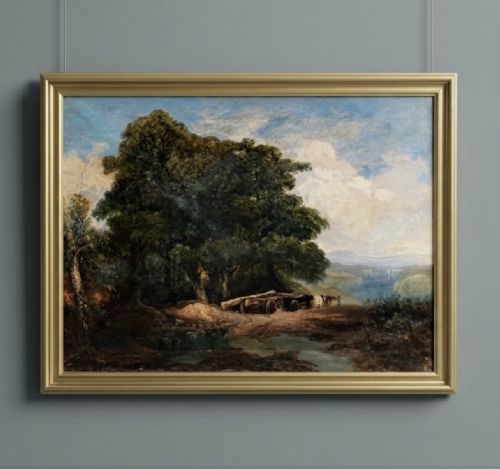
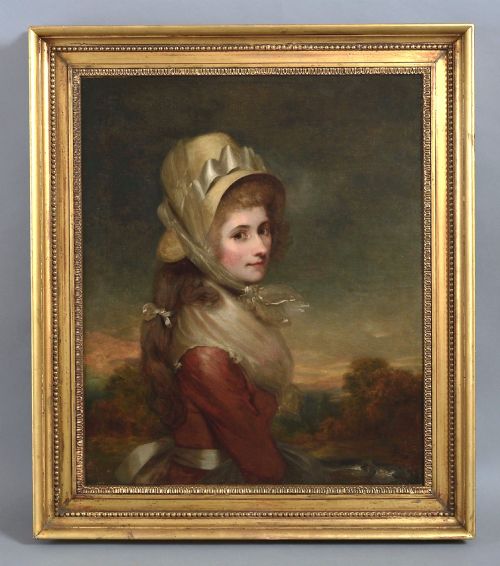
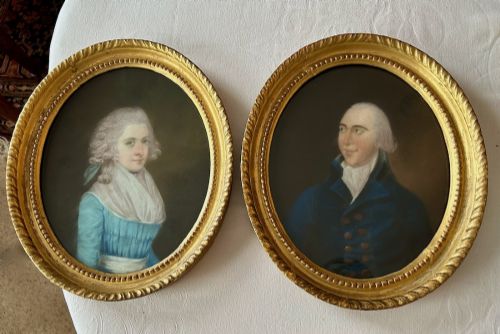
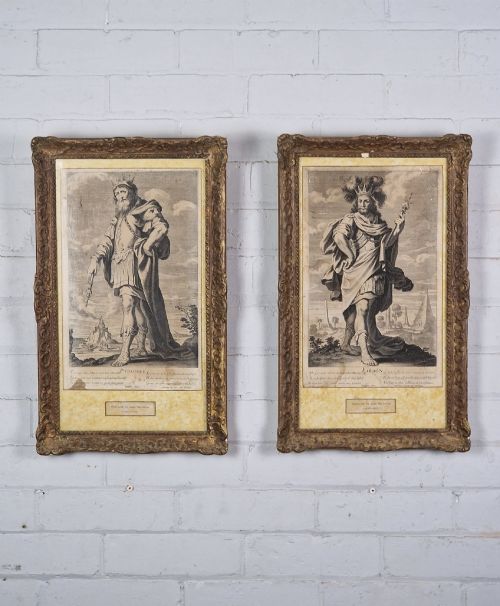
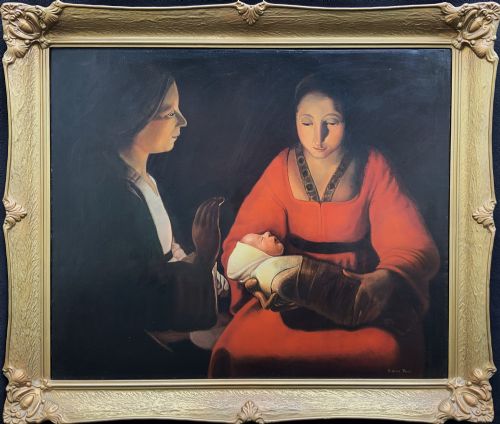
The objects encompass oil paintings on canvas and wood panels, watercolours, pastels, engravings, and silhouettes, housed in period frames.
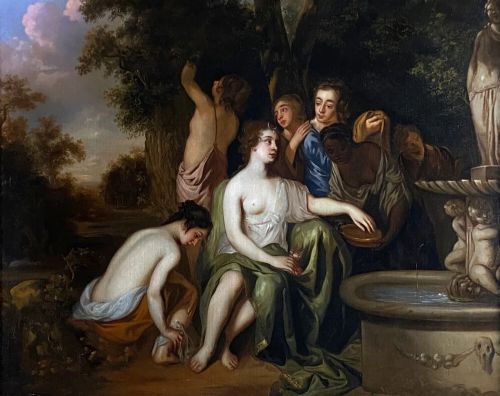
Originating across Britain, France, and Northern Europe, these works range from classical mythology and pastoral landscapes to detailed portraiture.
Materials and technique
Makers applied oil paint, watercolour, or pastel onto canvas, wood panels, paper, and glass, utilising gold leaf and giltwood to build luminous surfaces.
Artisans constructed heavy frames from wood and gesso, applying thin sheets of metal leaf to create the characteristic metallic sheen that defines these pieces.
Several portraits capture subjects mid-action, including a lady caught in the act of picking oranges.
Judging quality in gilded pieces
The distinction between tiers rests on the handling of the brush, the depth of the pigment, and the integrity of the original gilt frame.
Mastery in portraiture and landscape execution elevates a canvas, while secondary works display more formulaic studio production.
Charles Antoine Coypel·Sir Joshua Reynolds·Sir Peter Lely·Sir Godfrey Kneller·Oliver Clare
The Antique Gilded Artwork Glossary
- Giltwood
- Wood that has been coated with gold leaf or a metallic substitute. This material forms the ornate frames typical of the period.
- Oil on Canvas
- Pigment mixed with drying oil applied to stretched fabric. It provides a durable medium that holds rich colour over centuries.
- Pastel Portrait
- A work created using powdered pigment sticks on paper. These delicate pieces require glass protection to prevent smudging.
- Mezzotint
- A printmaking process where the artist works from dark to light on a roughened copper plate. This technique produces rich tonal gradations.
Antique Gilded Artwork: Frequently Asked Questions
How do I care for antique gilded frames?
Keep these pieces away from direct sunlight and excessive moisture to protect the fragile metallic leaf. Dust gently with a dry, soft brush rather than using liquid cleaners.
Changes in temperature can cause the underlying wood and gesso to expand, so stable indoor conditions help preserve the integrity of the gilding.
Are these paintings signed by the artists?
Many works bear signatures or inscriptions, while others are attributed to specific schools or circles based on style and technique. Documentation often links them to historical portraitists or landscape painters.
Unsigned works frequently rely on stylistic analysis and provenance to determine their approximate age and regional origin.
What subjects are most common?
Portraits of nobility, clergy, and country figures dominate the earlier centuries, reflecting the patronage systems of the time. Landscapes, floral still lifes, and classical mythological scenes become prominent in later periods.
Artists also produced genre paintings depicting everyday narratives, alongside detailed silhouettes and engraved prints.
How can I tell the period of a frame?
Frame styles shifted from heavy, elaborate Baroque carvings to the lighter curves of French Rococo and the refined symmetry of the Regency and Victorian eras. The composition of the underlying gesso and the wear of the gold leaf offer further clues.
Original frames that match the age of the artwork enhance the historical context of the piece.