


Antique Coastal Watercolour
An antique coastal watercolour captures the drama and light of the sea through the delicate transparency of paper.
Antique Coastal Watercolour
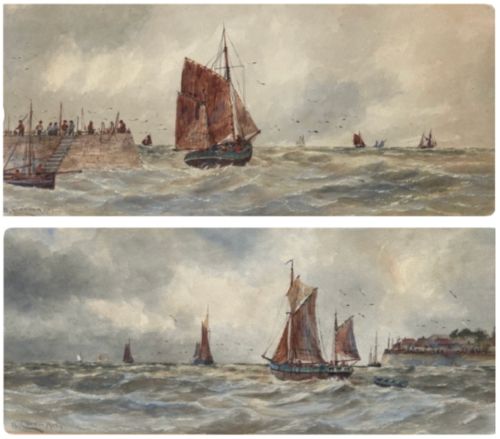
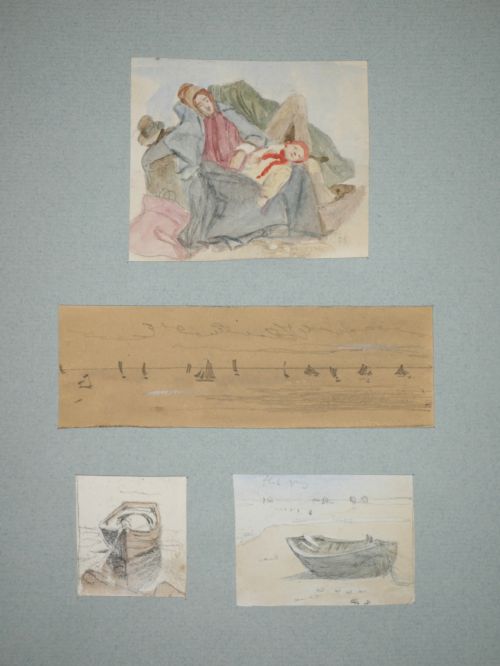
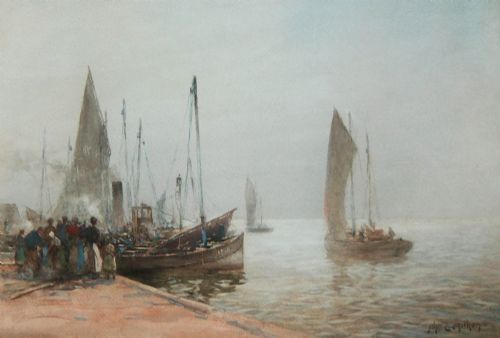
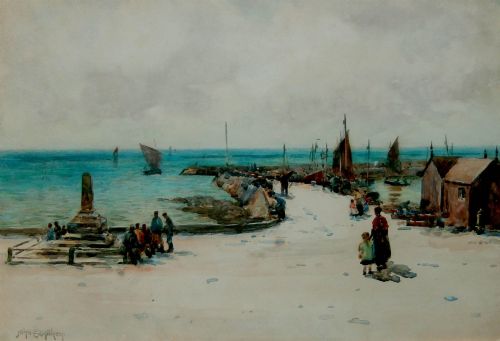
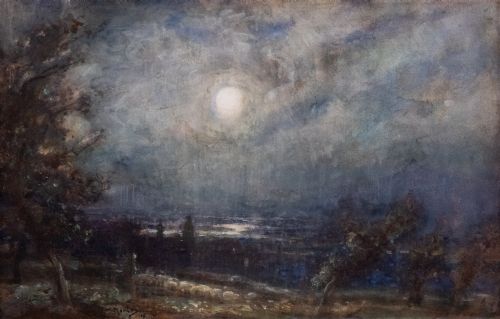
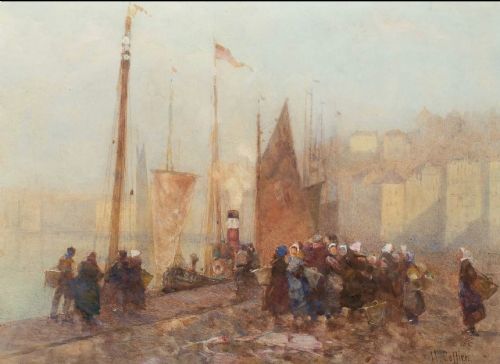
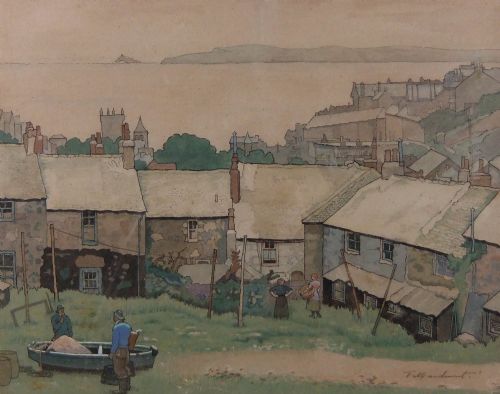
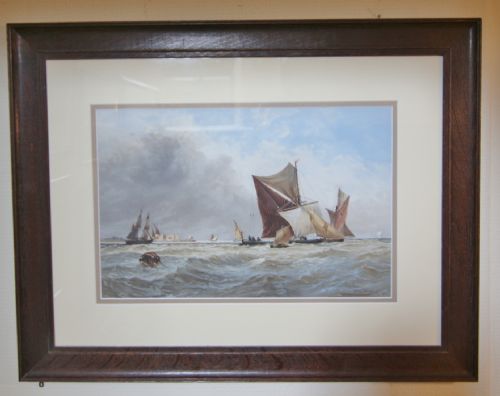
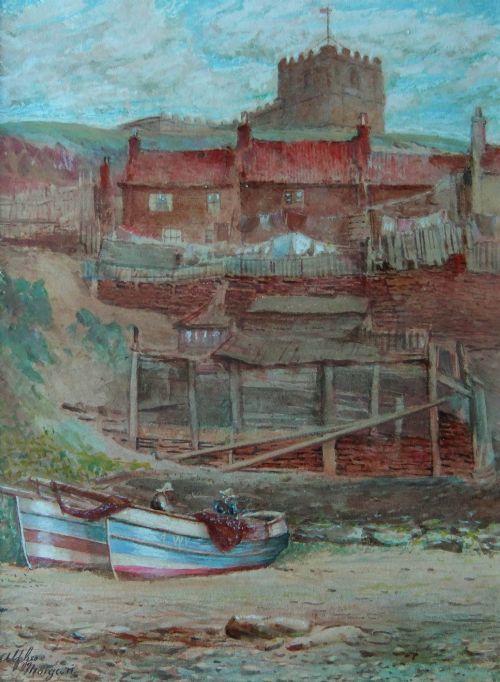
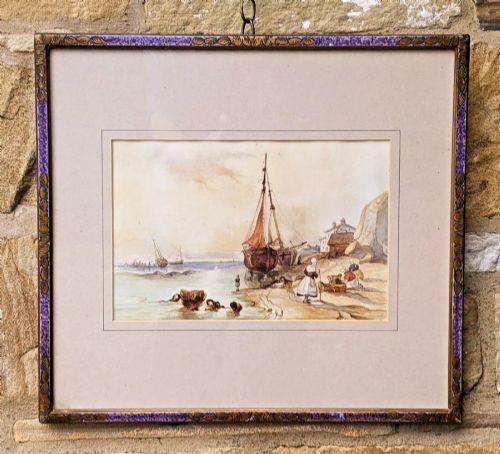
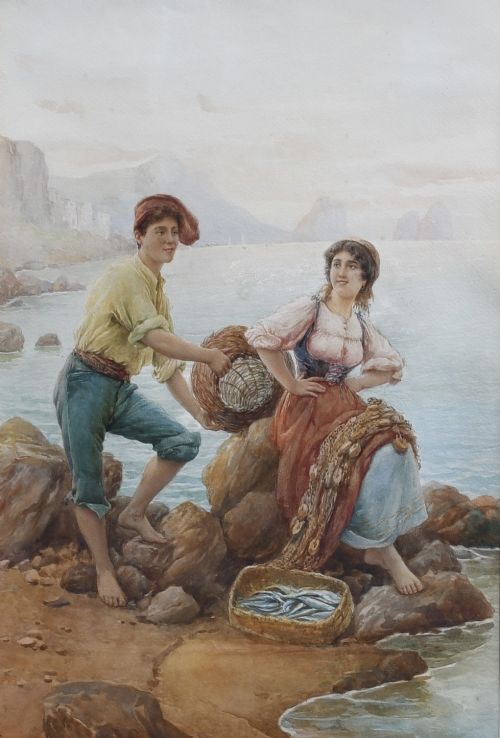
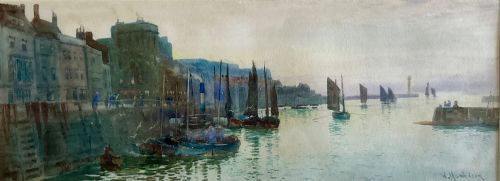
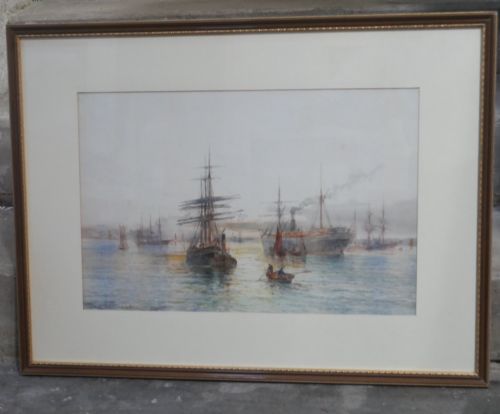
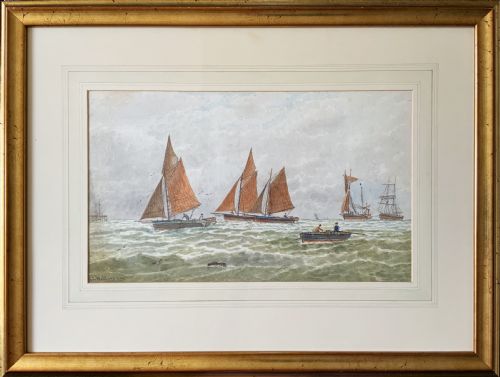
An antique coastal watercolour depicts maritime scenes, fishing harbours, and shorelines produced primarily during the nineteenth and early twentieth centuries. These works range from small, intimate marine sketches to large, highly finished paintings documenting British and European ports.
Buyers will encounter numerous examples originating from established artistic hubs such as St Ives and Whitby, alongside depictions of quiet coves and busy trading harbours. The predominant forms are framed works on paper, often preserved beneath protective glass within period surrounds.
The aesthetic captures a fascination with maritime trade, coastal communities, and changing atmospheric conditions along the shore. Such pieces offer a direct window into nineteenth and early twentieth century coastal life through the eyes of contemporary observers.
Materials and Technique
Artists executed these works using watercolour pigment applied to paper, occasionally incorporating gouache highlights to add opacity and depth to crashing waves or cloud formations. The absorbent nature of the paper demanded precision and swift brushwork from the painter.
Surviving examples are typically housed behind glass to protect the delicate pigments from atmospheric moisture and ultra-violet degradation. Many retain their original gilt wood frames, which complement the tonal range of the maritime subject matter.
Antique Coastal Watercolour Retail Price Guide 2026
Typical asking prices for coastal watercolour among the pieces listed under this phrase on Sellingantiques today, from the lower quarter to the upper quarter. They describe what is for sale here now, not the wider market.
Represented periods range from the Victorian era through the Edwardian years and into the 1930s.
Evaluating Quality
Quality in these works rests upon the artist's handling of light, atmospheric perspective, and the movement of water. Superior examples demonstrate a confident economy of brushstrokes that conveys the restless energy of the sea without overworking the paper.
Condition plays a vital role in assessment, particularly the preservation of original pigment vibrancy and the absence of heavy foxing or fading caused by sunlight. Furthermore, the presence of a well-preserved period frame contributes significantly to the integrity of the piece.
James Orrock·William Cannon·James E. Aitken·Thomas William Morley·Hector Caffieri·Thomas Maidment·Thomas Bush Hardy·Alfred G. Morgan·George Stanfield Walters·Frank Kelsey·Henry Barlow Carter·John Moxon·William Frederick Settle·Charles William Adderton·Richard Harry Carter·William Lee Hankey·Ernest Dade·Arthur Tucker·Robert Leslie Howey
The Antique Coastal Watercolour Glossary
- Foxing
- Small brownish spots on paper caused by chemical reactions over time. This common ageing process can often be mitigated by professional conservation.
- Gouache
- An opaque watercolour paint containing white pigment. Artists used this medium to introduce solid highlights into maritime scenes.
- Seascape
- A work of art depicting the sea, coastlines, and marine vessels. These subjects formed a central focus for nineteenth-century British landscape painters.
- Provenance
- The documented history of ownership of an artwork. A clear provenance helps establish authenticity and historical context.
- Wash
- A thin, fluid layer of diluted watercolour pigment spread evenly across the paper. Painters relied on successive washes to build atmospheric depth in skies and water.
Antique Coastal Watercolour: Frequently Asked Questions
How should I display a watercolour?
Hang these works away from direct sunlight to prevent the fugitive water-soluble pigments from fading over time. Maintaining a stable indoor humidity also protects the fragile paper support.
Ensure the frame is properly sealed at the back to keep out dust and atmospheric pollutants.
What subjects are most common?
Fishing boats, bustling harbours, and rocky coastlines dominate the subject matter of this period. Artists frequently recorded specific regional ports along the British coastline and European shores.
These scenes reflect a deep cultural connection to maritime trade and coastal living during the Victorian and Edwardian eras.
How do I date a watercolour?
Signatures, artist biographical dates, and framing styles provide the most reliable indicators of age. Costume details on figures and the types of watercraft depicted also help narrow down the decade of production.
Examine the reverse of the frame or paper for old gallery labels and handwritten inscriptions.
Are these paintings signed?
Many examples bear the artist's signature or monogram, often located in the lower corner of the composition. Some pieces also feature contemporary inscriptions detailing the specific geographic location on the mount or reverse.
Unsigned works are frequently attributed to particular schools or contemporary circles based on style and technique.