



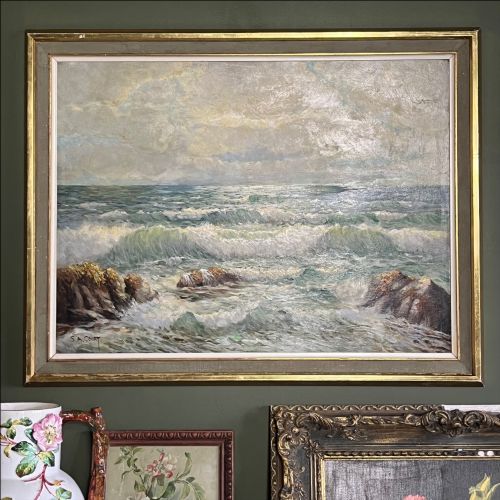
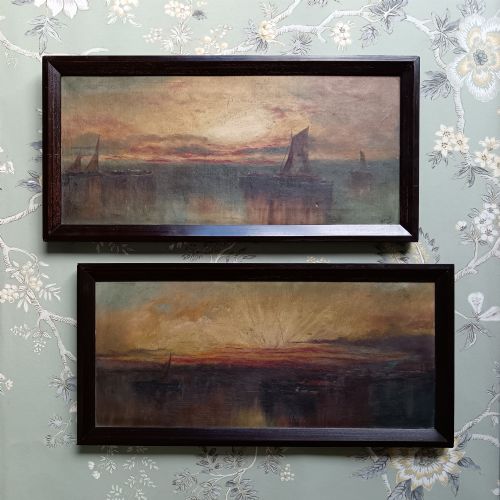
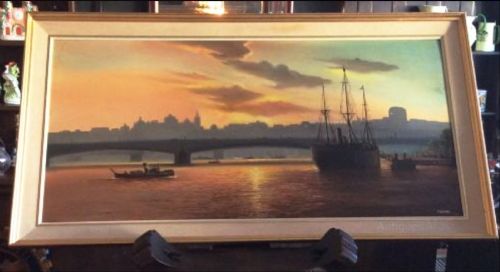
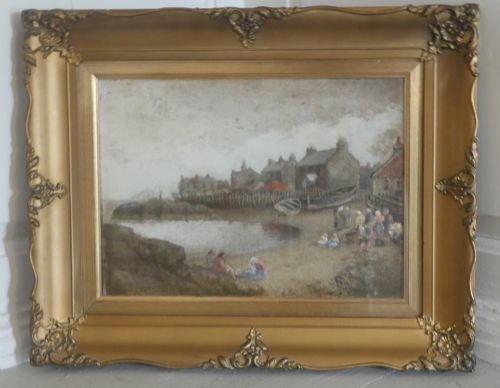

Framed Seascape Artwork
Framed seascape artwork brings maritime life, coastal weather and open water into a room through historic paintings.
Framed Seascape Artwork
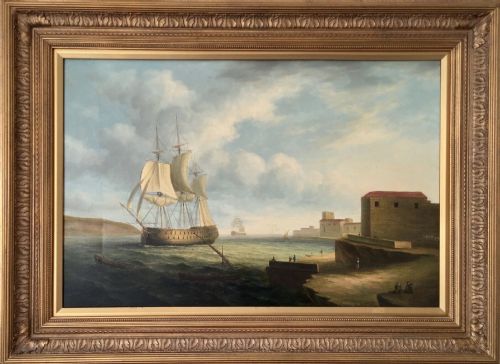
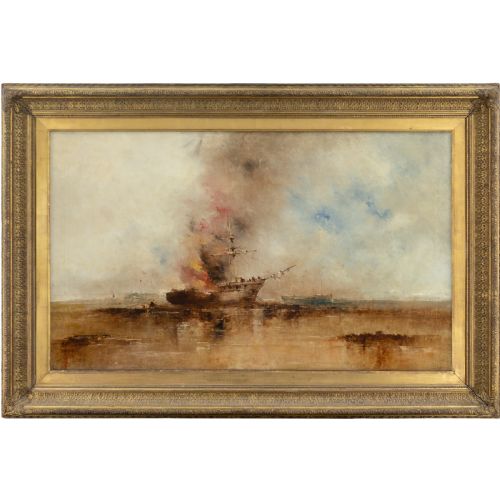
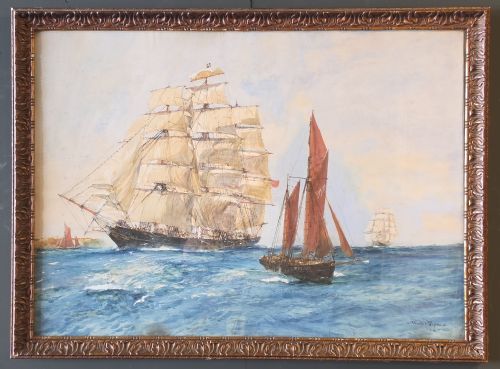
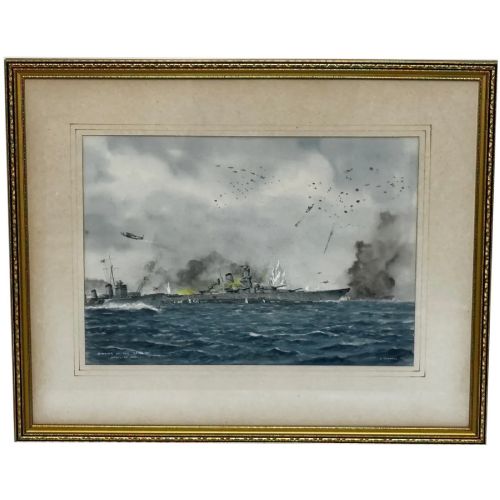
Framed seascape artwork centres on marine scenes, coastal views and harbour paintings executed across the nineteenth and twentieth centuries. The selection encompasses depictions of warships, fishing boats, merchant vessels and quiet shorelines captured in varied weather conditions.
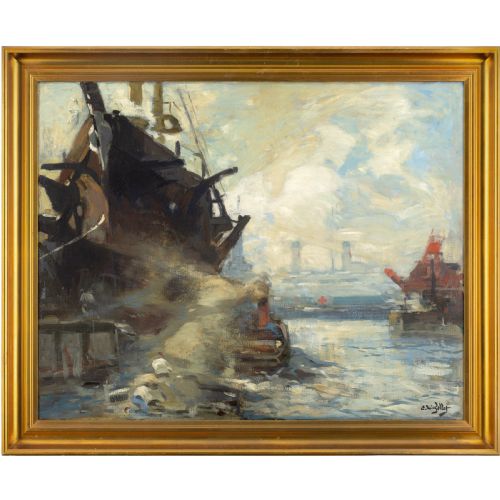
Buyers encounter works spanning Victorian maritime traditions through to British impressionism and post-impressionism. Common formats include oil paintings on canvas or panel alongside watercolours and gouache works on paper.
Origins range from traditional British coastal locations such as St Ives and Cornwall to continental European harbours and international waters. Pieces commonly arrive enclosed in period wood and gilt frames that complement the maritime subject matter.
Materials and technique
Artists utilised oil paint and watercolour as primary mediums, applying pigment to prepared canvas, wood panels or paper supports. Oil applications vary from smooth, controlled academic brushwork to textured, en plein air impasto.
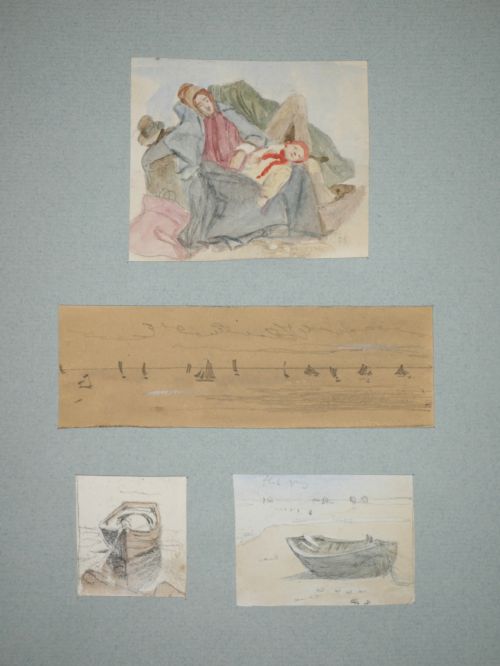
Watercolour compositions rely on transparent washes and fine line work to capture light on water and atmospheric coastal mists. Many surviving works are preserved behind glass within original gilt wood frames.
Framed Seascape Artwork Retail Price Guide 2026
Typical asking prices for framed seascape artwork among the pieces listed under this phrase on Sellingantiques today, from the lower quarter to the upper quarter. They describe what is for sale here now, not the wider market.
Listings feature works executed in oil paint, watercolour, gouache and pencil across the nineteenth and twentieth centuries.
What separates the tiers
Quality rests upon the artist's command of marine anatomy, atmospheric light and water movement. Stronger works demonstrate convincing rendering of wave dynamics, vessel rigging and coastal perspective.
The relationship between the painting and its frame influences overall integrity, with period gilt wood mouldings enhancing the visual impact of the artwork. Condition of the canvas, stability of the paint layer and clarity of artist signatures also distinguish finer examples.
James Orrock·Eugène-Louis Gillot·William McAlpine·Sidney A Court·Charles Edward Dixon·Eric Tufnell·William Banks Fortescue·James Kay·Frank Watson Wood·Bernard Gribble·Frank William Scarbrough·F Corpuz·Francis Moltino·Thomas Creswick·Willem Bos·TB Hardy
The Framed Seascape Artwork Glossary
- En plein air
- Painting outdoors to capture natural light and atmospheric conditions directly. This method produced immediate, observational records of coastal weather.
- Gouache
- An opaque water-based paint medium used to achieve solid blocks of colour and bright highlights on paper. It often appears in detailed maritime watercolours.
- Impasto
- Thick application of paint that stands out from the surface, creating tangible texture. Artists utilised this technique to render foaming waves and choppy seas.
- Gilt wood
- Wood carved and coated with a thin layer of gold leaf or metallic paint. Frames treated this way were standard for nineteenth-century marine paintings.
Framed Seascape Artwork: Frequently Asked Questions
What periods do these seascapes cover?
The works span from the nineteenth century through the Edwardian era and into the mid-twentieth century.
Paintings reflect stylistic shifts from traditional Victorian maritime recording toward impressionist and post-impressionist coastal interpretations.
How were these maritime paintings displayed originally?
Historical works were customarily housed in substantial wood and gilt frames designed to isolate the scene and reflect ambient light.
Frames often feature decorative moulded profiles typical of their respective period.
Where do the coastal scenes usually take place?
Subjects record British harbours, coastal inlets, naval engagements and international waterways.
Locations range from local fishing ports like St Ives and Morecambe Bay to European canals and open seas.
How do I identify a watercolour from an oil painting?
Watercolours utilise paper supports and are displayed under glass to protect the delicate pigment layers from moisture and dust.
Oil paintings rely on canvas or wood panel substrates with textured pigment surfaces that do not require glass.