


Nautical Watercolour Artwork
Nautical watercolour artwork captures maritime history on paper, offering buyers maritime scenes painted by established marine artists.
Understanding Nautical Watercolour Artwork
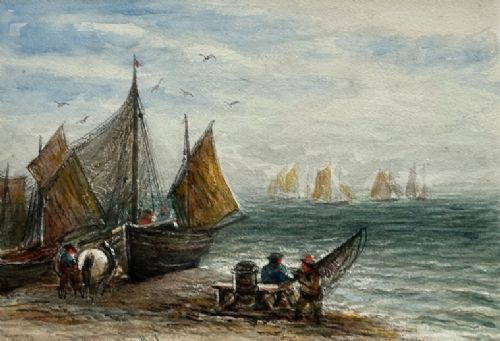
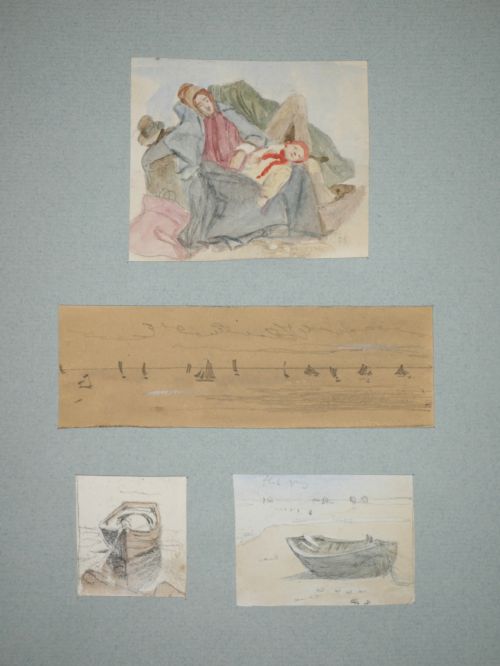
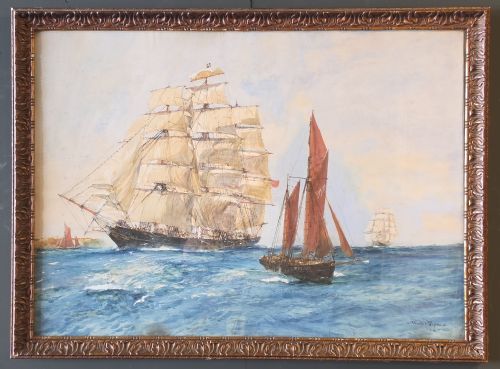
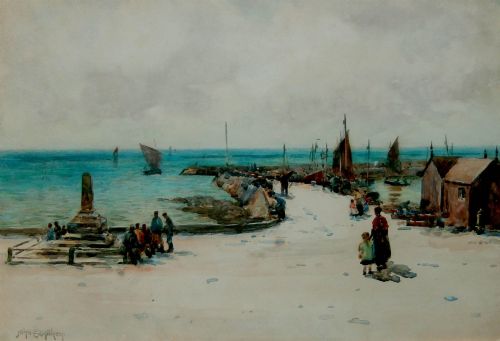
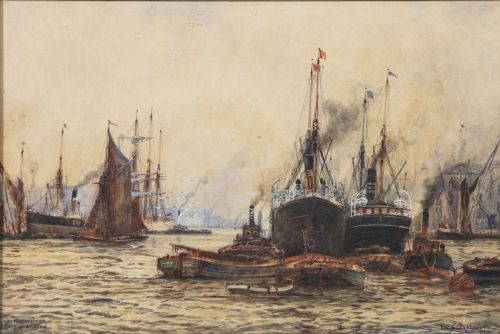
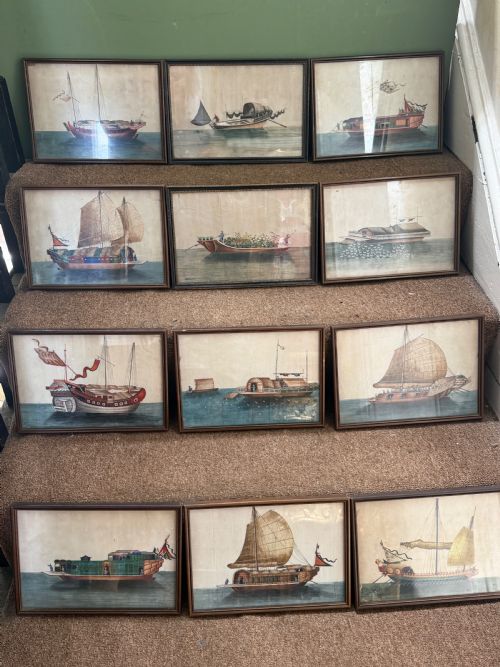
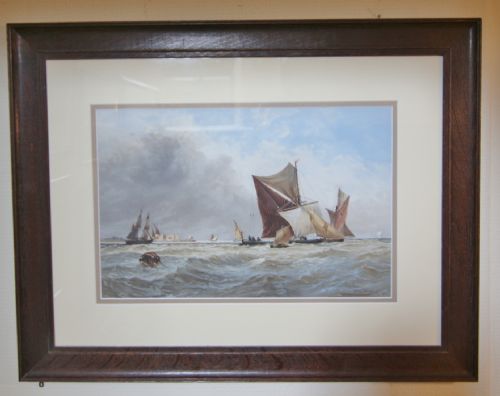
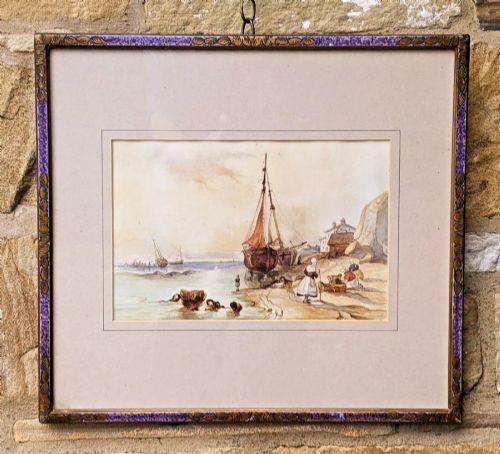
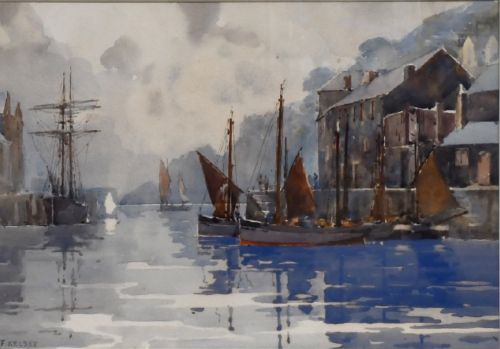
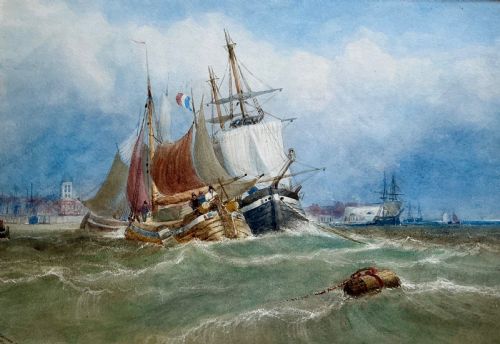
Nautical watercolour artwork comprises maritime paintings on paper depicting ships, harbours, estuaries, and coastal views. These pieces capture marine subjects through water-based pigments applied directly to paper surfaces.
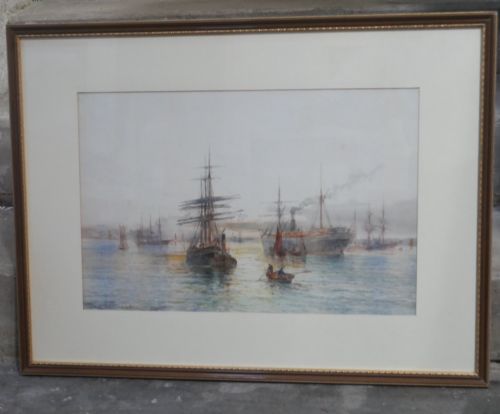
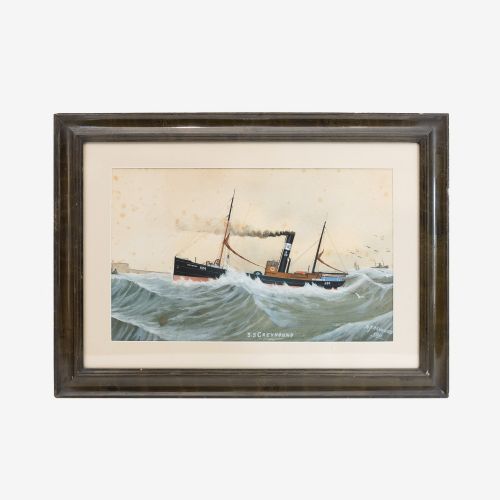
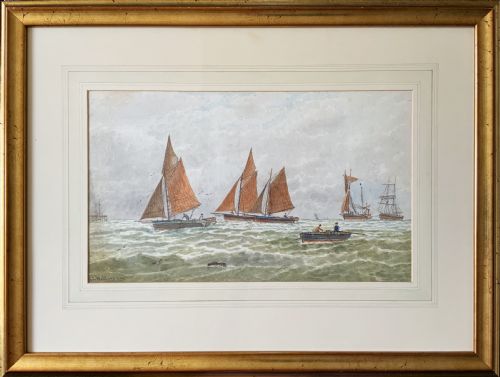
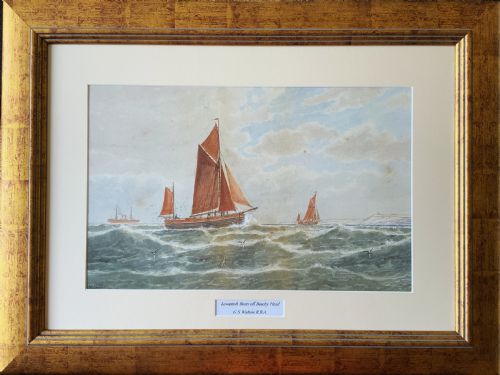
The selections available here span the nineteenth century, the Edwardian era, and the nineteen-thirties. Examples include depictions of the Port of London, the Medway Estuary, Portishead, the Thames, Lincoln Harbour, and barque ships.
Materials and Construction
These works utilise watercolour paint on paper supports, sometimes housed within wood or gilt wood frames under glass. Certain presentations incorporate gold mounts to frame the paper composition.
Artists apply watercolour paint to paper using varied brushwork techniques to capture water, sky, and vessel details. Framing materials such as wood and gilt wood protect the delicate paper surfaces from environmental damage.
Retail Price Guide 2026
Typical UK retail prices for nautical watercolour artwork, calculated from the Sellingantiques database of over a million retail prices indexed since 2003. This retail price guide relies exclusively on Sellingantiques data; no external sources or auction records are used, so the figures do not describe the wider market.
The listings here feature works from the nineteenth century, the Edwardian period, and nineteen-thirty, utilising paper, wood, glass, and gold mounts.
Assessing Quality and Merit
Quality in these watercolours rests upon the precision of the draughtsmanship and the artist's ability to render atmospheric coastal light. Works by documented Royal British Artists or military personnel often demonstrate superior observational skill in capturing maritime architecture and vessel rigging.
The preservation of the paper and the integrity of the original framing, including gold mounts and wood surrounds, influence the visual impact. Finer examples maintain vibrant pigment tones without excessive fading from light exposure.
Frank William Scarbrough·George Stanfield Walters·Arthur Wilde Parsons·Lieutenant Harold E Frecker·Fred Lawson·Samuel John Milton Brown
The Nautical Watercolour Artwork Glossary
- Watercolour
- A painting method where paints are made of pigments suspended in a water-based solution. This medium allows for translucent washes that suit marine subjects.
- Estuary
- The tidal mouth of a large river, where the tide meets the stream. These locations provided frequent subjects for nineteenth-century maritime artists.
- Barque
- A sailing ship with three or more masts. Such vessels appear frequently in Victorian marine watercolours.
- Gilt wood
- Wood covered with a thin layer of gold leaf or gold paint. This material forms traditional frames for fine art watercolours.
Frequently Asked Questions
What is nautical watercolour artwork?
Nautical watercolour artwork consists of painted maritime scenes executed on paper using water-based pigments. These pieces record shipping, coastal towns, and river estuaries.
Created across different periods, these works document historical vessels and port environments through the medium of watercolour.
How should I frame a watercolour?
Watercolours require framing under glass to protect the paper from moisture and atmospheric dust. A mount keeps the paper surface from touching the glass directly.
Wood and gilt wood frames provide traditional housing that complements the period aesthetic of nineteenth and twentieth-century paintings.
How do I date these watercolours?
Dating relies on artist biographies, stylistic conventions of the period, and occasionally inscribed dates or titles on the work. Nineteenth-century pieces often display detailed rigging and Victorian maritime themes.
Edwardian and later nineteen-thirties examples reflect shifting artistic styles and twentieth-century British landscape traditions.
Where were these marine scenes painted?
Artists painted these scenes along British rivers, harbours, and coastal ports such as the Thames, Medway Estuary, and Portishead. Painters observed working shipping and port infrastructure from life.
Military personnel and professional marine artists recorded these specific locations during the nineteenth and early twentieth centuries.