






British Maritime Art
British maritime art encompasses coastal scenes and marine watercolours and oils that capture Victorian and Edwardian harbours and shipping.
Understanding British Maritime Art
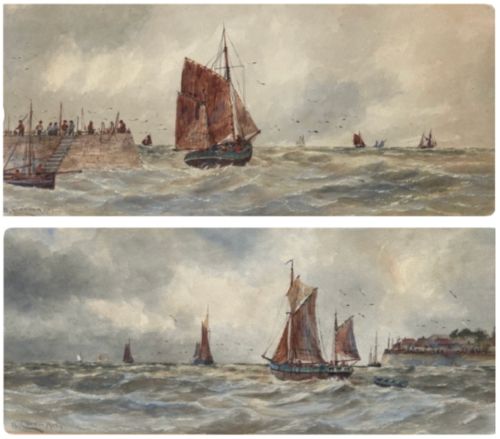
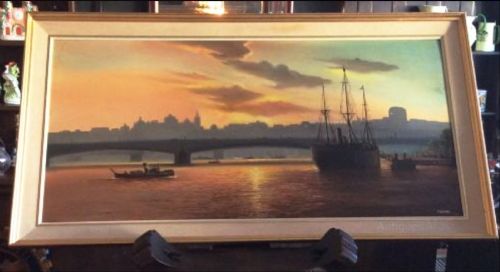
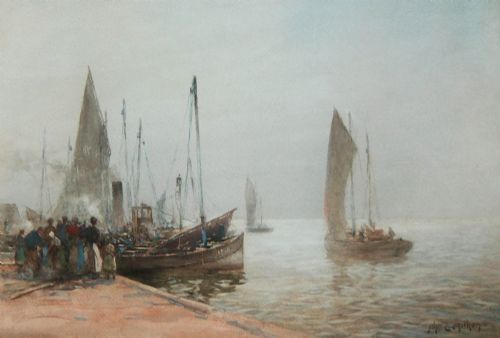
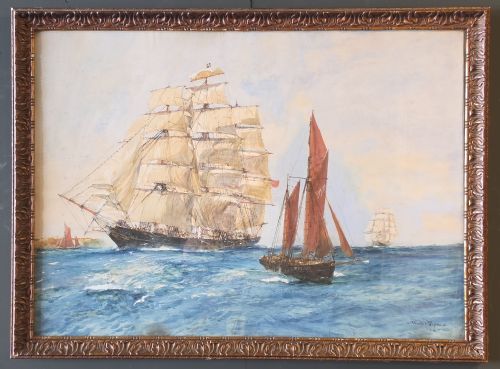
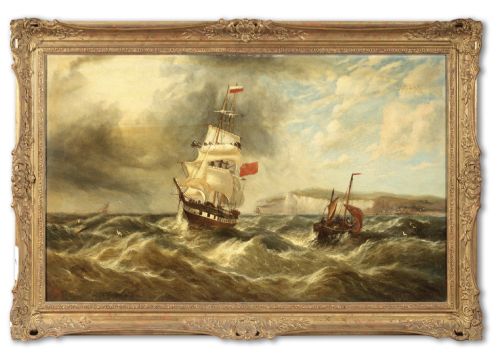
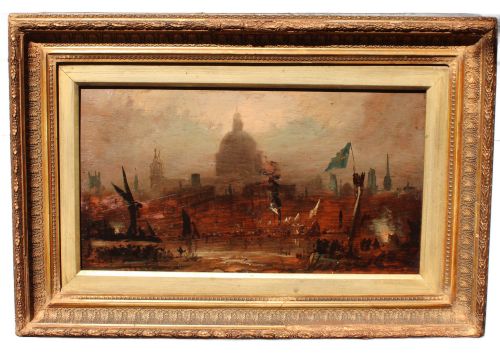
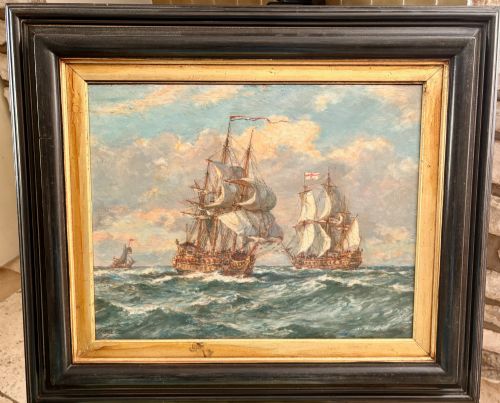
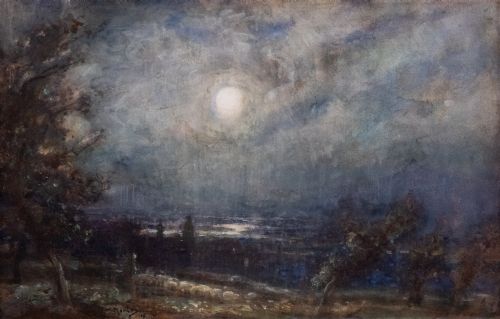
British maritime art represents coastal and marine subjects executed in oil paint and watercolour on paper or canvas. These works document harbour scenes, estuaries, and open waters from the Victorian and Edwardian periods.
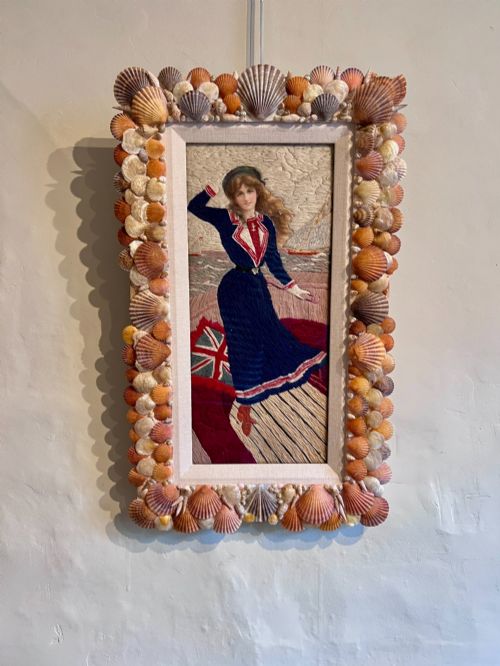
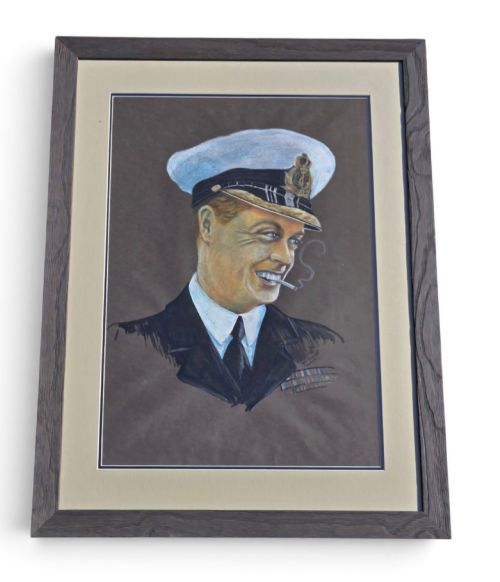
Collectors encounter works ranging from detailed topographical harbour views to atmospheric coastal sketches by named artists. The pieces available reflect the diverse coastline and maritime heritage of Britain.
The selection includes framed works featuring traditional materials such as wood and gilt composition frames. Each painting provides a visual record of British shipping and coastal life during the nineteenth and early twentieth centuries.
Materials and Technique
Artists utilised oil paint on stretched canvas and watercolour pigments on paper to capture changing coastal light and water movement. These traditional media were applied using brushwork that varied from fine architectural detail to loose, expressive sketching.
Works are typically housed in period frames constructed from wood with gilt composition ornament. The combination of pigment, paper, canvas, and wooden framing reflects the standard studio practices of Victorian and Edwardian painters.
Retail Price Guide 2026
Typical UK retail prices for british maritime art, calculated from the Sellingantiques database of over a million retail prices indexed since 2003. This retail price guide relies exclusively on Sellingantiques data; no external sources or auction records are used, so the figures do not describe the wider market.
Depicted locations include Whitby Harbour, the River Thames, and the River Tyne.
Assessing Quality
Quality in these works rests upon the artist's ability to render atmosphere, perspective, and the specific character of maritime environments. Stronger pieces demonstrate confident handling of water and light, whereas lesser examples can feel static or formulaic in composition.
The sophistication of the palette and the preservation of the original pigments directly influence the visual impact of a painting. Finer works retain their tonal balance and sit within well-matched period frames that complement the subject.
Stanley Leader·John McDougal·Harold E Frecker·Thomas Clavering Alder·Thomas Bush Hardy
The British Maritime Art Glossary
- Watercolour paint
- A medium consisting of colour pigments suspended in a water-based solution, applied to paper. It allows for translucent washes and delicate atmospheric effects.
- Canvas
- A heavy woven fabric used as a surface for oil painting. It is typically stretched over a wooden frame before application of the ground and paint.
- Gilt composition
- A material made from a mixture of whiting and glue, moulded and applied to wooden frames before gilding. It provides ornate decorative detail.
- Maritime
- Pertaining to the sea, shipping, and coastal waters. In art, it denotes subjects featuring vessels, harbours, and marine views.
Frequently Asked Questions
What periods do these paintings date from?
The available pieces span the Victorian and Edwardian eras, with dates reaching from the nineteenth century into the early twentieth century.
This timeframe covers significant shifts in British painting styles, moving from detailed topographical records towards more expressive coastal interpretations.
How should I hang a watercolour painting?
Watercolour paintings require protection from direct sunlight to prevent the pigments from fading over time. Glazing with appropriate glass helps shield the paper surface from atmospheric moisture and dust.
Positioning the work away from direct heat sources ensures the paper and framing materials remain stable in domestic environments.
What is the difference between oil and watercolour?
Oil paint uses drying oils to bind pigments on canvas, producing rich colours and textured surfaces that can be reworked. Watercolour uses water-soluble binders on paper, creating translucent layers that rely on the white of the paper for luminosity.
Oils are generally heavier and require a solid stretcher, while watercolours need framing behind glass for protection.
Are these works signed by the artists?
Many pieces feature artist signatures or inscriptions detailing the specific harbour or coastal location depicted. Documentary details on the reverse or mount often provide further context regarding the creator.
Checking these inscriptions helps connect individual works to known practitioners of the period.