


Nautical Watercolour Painting
A nautical watercolour painting captures ships, harbours, and coastal life through fluid pigments on paper, offering a direct view into maritime history.
Nautical Watercolour Painting
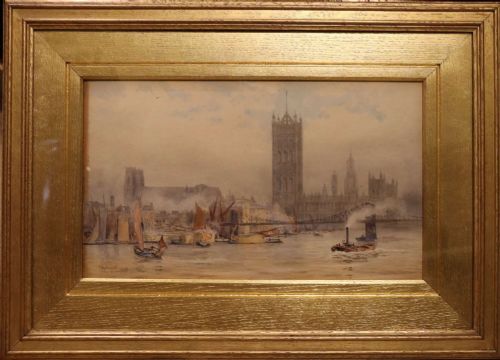
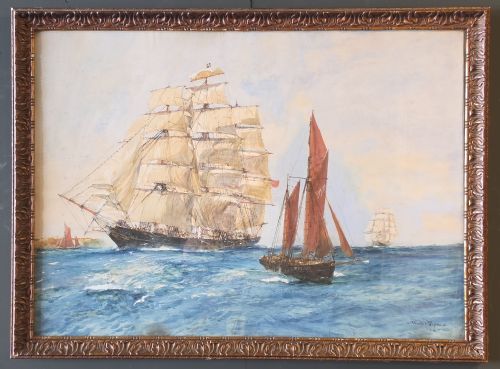
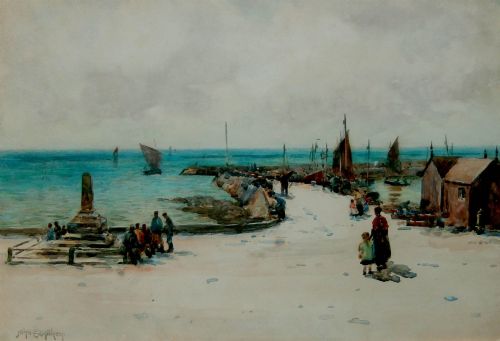
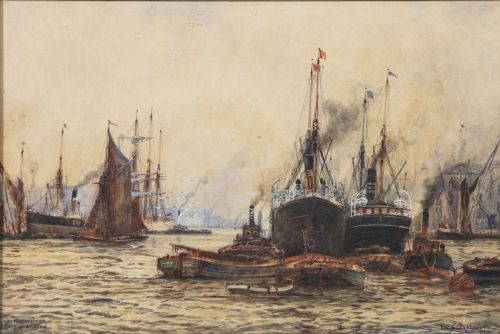
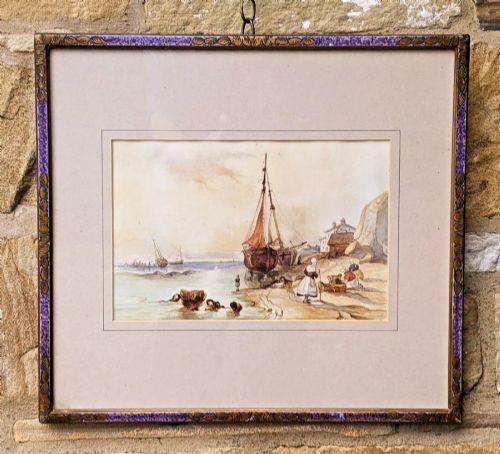
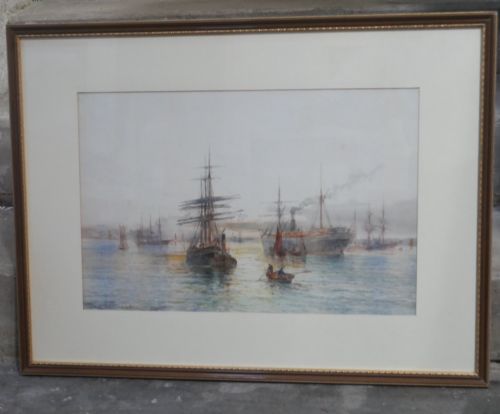
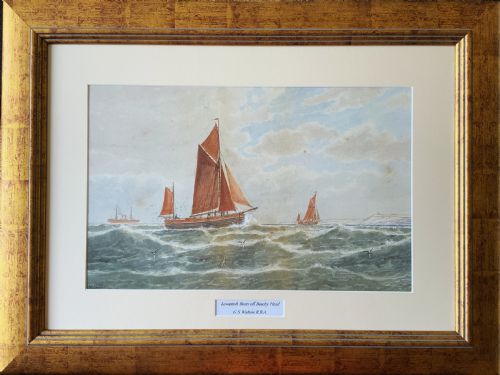
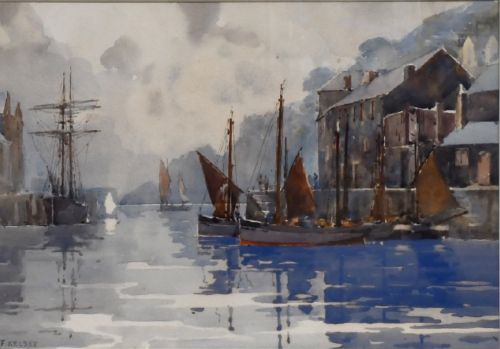
When browsing for a nautical watercolour painting, collectors encounter works depicting coastal scenes, fishing boats, and grand sailing ships upon the water. These pieces document maritime history from the nineteenth century through the mid-twentieth century, capturing ports, shipping lanes, and naval vessels.
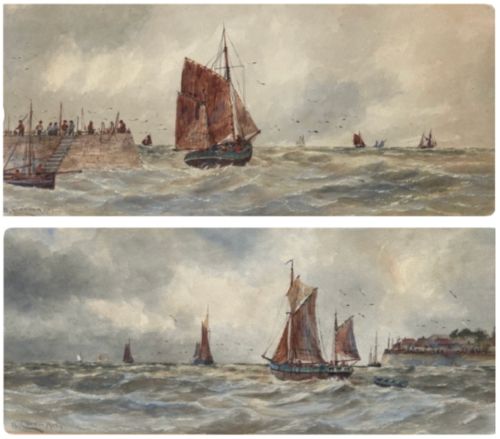
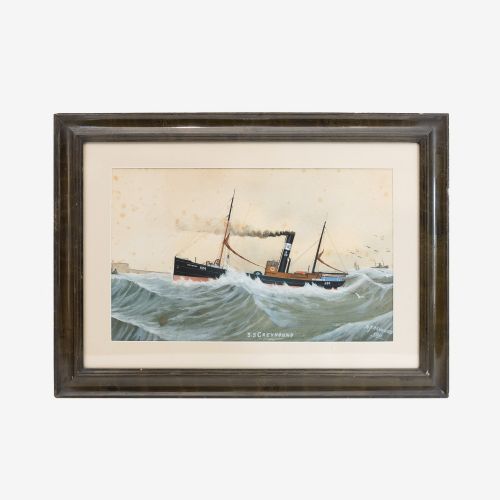
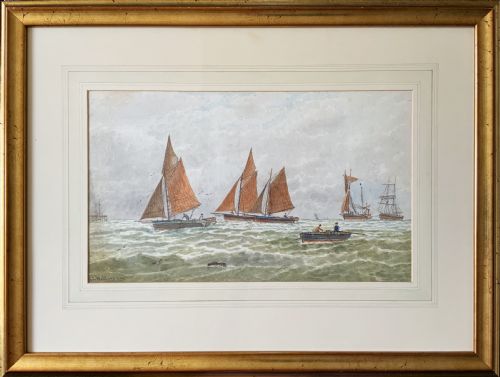
The predominant examples on this page date from the Victorian and Edwardian eras, executed by British and European artists. Common subjects include working vessels such as trawlers and luggers alongside calm harbours and dramatic open seas.
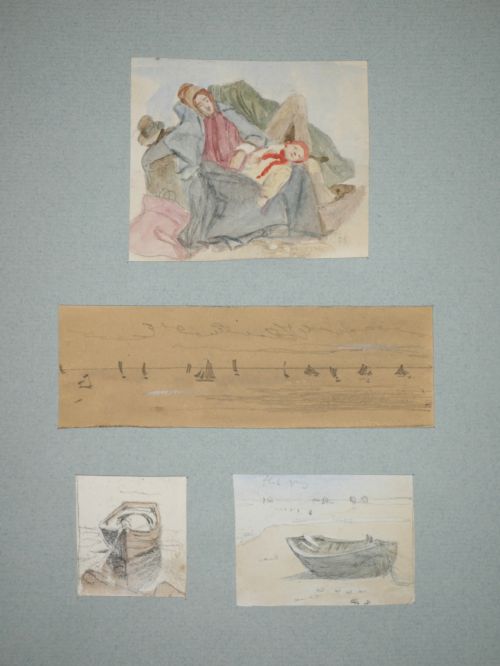
Works range in format from intimate marine sketches on paper to large framed paintings detailing specific ships and locations. Creators utilised watercolour pigment, gouache, and ink to record the changing light on water.
Materials and technique
Artists applied watercolour pigment and gouache onto paper supports, often combining ink to define the intricate rigging of ships and architectural details of harbour buildings. The translucent nature of watercolour allowed painters to build up luminous washes for skies and shifting seas.
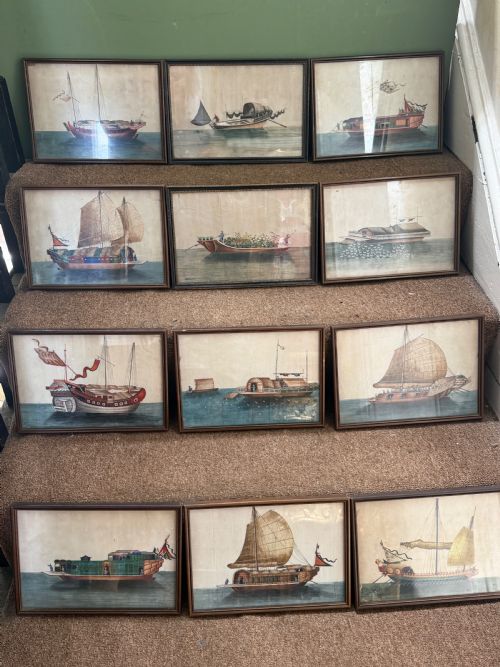
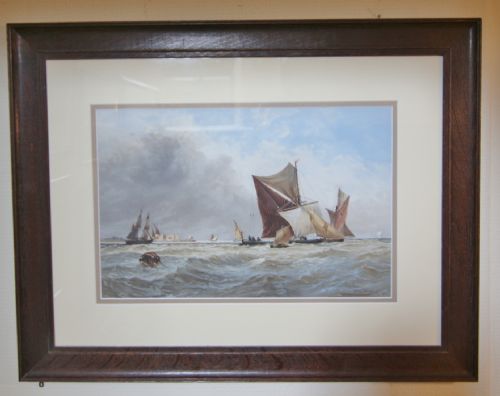
Framed works commonly incorporate glass protection alongside wood or gilt wood frames that complement the period aesthetic of the painting. Chinese export pieces demonstrate parallel techniques using gouache and watercolour on paper to record foreign junks and shipping.
A sailor's sentimental tribute immortalised an ironclad battleship, proving that even fierce warships appreciated a good portrait.
Variations in quality
Quality in these works depends upon the artist's command of perspective, draughtsmanship, and atmospheric light. Superior examples convey the weight of vessels and the movement of water with assured brushwork rather than rigid outlines.
Condition of the paper and pigments also dictates the standing of a piece. Works preserved without excessive fading or foxing retain the original brilliance intended by the painter.
H. Medlycott·James Orrock·William Cannon·Charles Edward Dixon·John E. Aitken·Frank William Scarbrough·Thomas Bush Hardy·Alexander Harwood·George Stanfield Walters·Frank Kelsey·Henry Barlow Carter·William Frederick Settle·Eric Tufnell·Richard Harry Carter·Vincenzo D’Esposito·William Lee Hankey·Ernest Dade·Robert Leslie Howey·William Tuck·Fred Waugh·Samuel Owen·Leslie Rackham·Ernest F. Hill
The Nautical Watercolour Painting Glossary
- Gouache
- An opaque watercolour paint that provides solid areas of colour and highlights. It is frequently combined with transparent watercolour in marine scenes.
- Foxing
- Brown spots on paper caused by chemical reactions over time. This ageing process occurs commonly in nineteenth-century works on paper.
- Lugger
- A small two-masted or three-masted fishing vessel carrying lug sails. These boats appear frequently in coastal paintings from Cornwall and the West Country.
- Seascape
- A painting depicting the sea, coastal views, or marine shipping. Such works form the core of maritime art collections.
Nautical Watercolour Painting: Frequently Asked Questions
What periods do these paintings cover?
The listings span the nineteenth century, the Edwardian era, and the early decades of the twentieth century. Examples range from early Victorian studies to mid-century maritime compositions.
Most pieces date from the height of traditional marine painting between eighteen-hundred and nineteen-forty.
How should I frame an antique watercolour?
Framing requires acid-free mounting materials to protect fragile paper from deterioration over time. Glazing prevents airborne pollutants and moisture from damaging the pigment.
Original frames, particularly gilt wood variants, should be preserved when structurally sound.
What subjects appear most often?
Common subjects include fishing boats at work, trading clippers, naval vessels, and busy ports such as London and Portsmouth. Coastal landmarks and local harbours also feature prominently.
Artists frequently recorded specific named ships and historical maritime events.
How do I identify different artists?
Signatures, inscriptions, and artist records help attribute specific works. Many pieces include titled locations on the mount or reverse.
Stylistic approaches to handling water and rigging often distinguish one marine painter from another.