



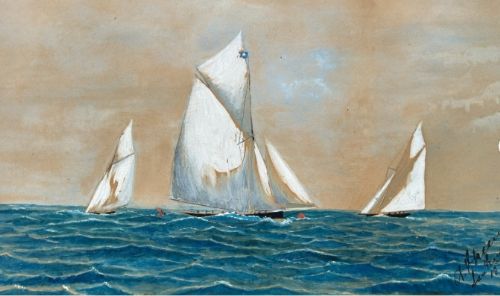


Blue Sea Watercolour Painting
A blue sea watercolour painting captures coastal light and maritime movement, offering a quiet window into nineteenth and early twentieth century shores.
Understanding the blue sea watercolour painting
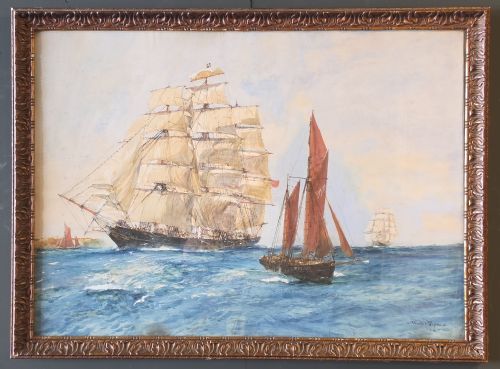
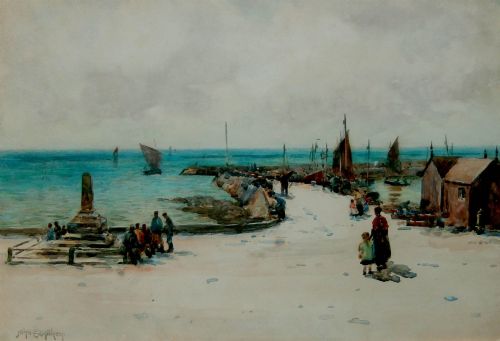
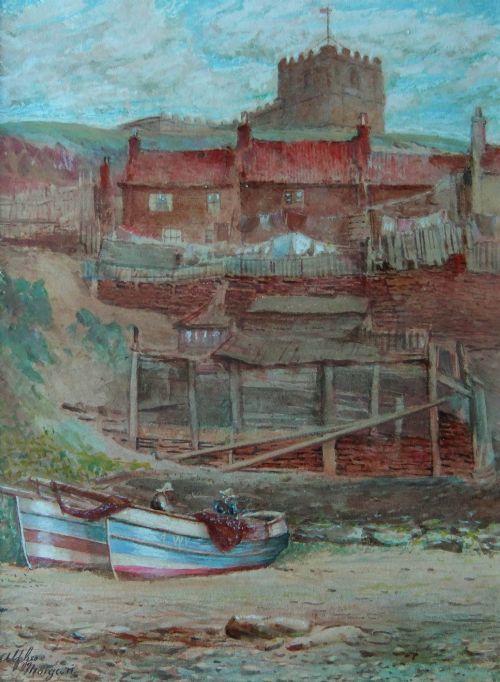
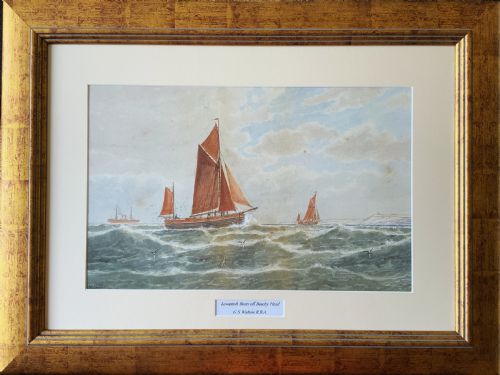
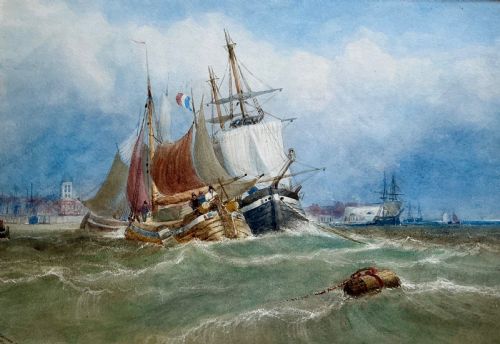
A blue sea watercolour painting depicts harbours, coastal landscapes, and maritime scenes through delicate washes applied directly to paper supports. These works range from late nineteenth century romantic views to early twentieth century maritime art and British impressionism.
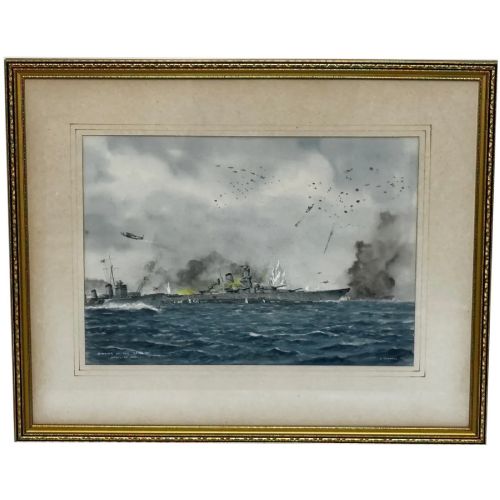
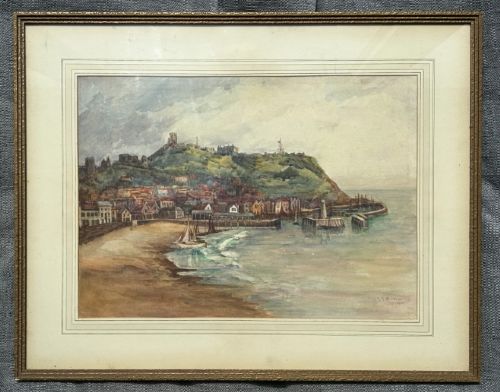
Buyers meeting these pieces on this page will frequently encounter framed artworks depicting scenes such as St Ives harbour, Scarborough bay, and North Sea havens. Many examples retain their original wooden or giltwood frames with protective glass.
The assortment spans traditional English seascape landscapes alongside specific naval subjects like depictions of HMS Victory. Most identified works date from the Victorian era through the Edwardian period and up to the nineteen-thirties.
Materials and construction
These works rely on watercolour pigment suspended in water, applied manually across sheets of paper using fine brushes to capture translucent effects of sea and sky. Artists built up transparent washes to render coastal atmosphere and water depth.
Finished paintings sit beneath glass within wooden or gilded frames that protect the fragile paper surface from atmospheric moisture and handling. Gilding on frames provides a reflective border that complements the cool tones of marine pigments.
Retail Price Guide 2026
Typical UK retail prices for blue sea watercolour painting, calculated from the Sellingantiques database of over a million retail prices indexed since 2003. This retail price guide relies exclusively on Sellingantiques data; no external sources or auction records are used, so the figures do not describe the wider market.
Before painting the open sea, artists often spent hours watching harbour tides from chilly stone quays.
Assessing quality and merit
Quality rests upon the artist's handling of light and maritime atmosphere, where confident brushwork distinguishes a skilled composition from a rigid record. Superior pieces display masterly control over translucent washes to evoke movement in water and sky.
The preservation of the paper support and the vibrancy of the original pigment dictate long-term visual appeal. Intact period framing and clear artist attribution elevate specific works above anonymous topographical views.
Charles Edward Dixon·John E Aitken·William Banks Fortescue·F A Roylance·WF Mitchell
The Blue Sea Watercolour Painting Glossary
- Watercolour
- A painting method where paint is made of pigments suspended in a water-based solution. This medium relies on the white of the paper showing through transparent layers.
- Victorian Fine Art
- Creative output produced during the reign of Queen Victoria characterised by narrative depth and careful observation. Marine subjects from this era often focus on coastal industry and naval power.
- British Impressionism
- A painting approach focusing on light and everyday subjects with loose brushwork. Artists working in this style sought to capture transient atmospheric effects on coastal waters.
Frequently Asked Questions
How should I frame a watercolour?
Watercolours require framing behind glass with a mount that keeps the paper from touching the glass surface directly.
This prevents moisture damage and preserves the delicate pigments over time.
How do I identify a period frame?
Period frames often display hand-carved wooden mouldings and traditional gilt finishes that show natural wear matching the age of the artwork.
Examining the construction methods on the reverse helps confirm whether the frame is original to the painting.
What subjects appear in maritime art?
Maritime art encompasses harbour scenes, coastal landscapes, sailing vessels, and specific naval ships like historic warships.
Artists frequently documented working ports alongside recreational sailing along the British coast.
Why do watercolours fade?
Prolonged exposure to direct sunlight breaks down certain watercolour pigments, causing blues and greens to lose intensity.
Displaying works away from bright windows protects the paper and maintains colour depth.