




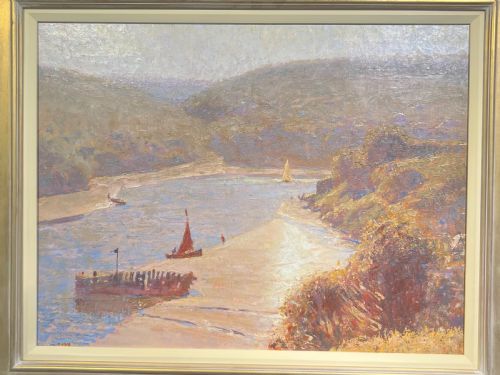
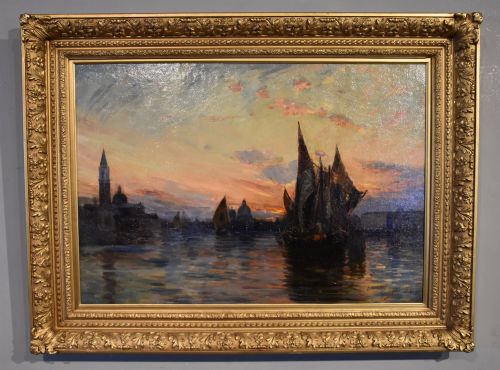
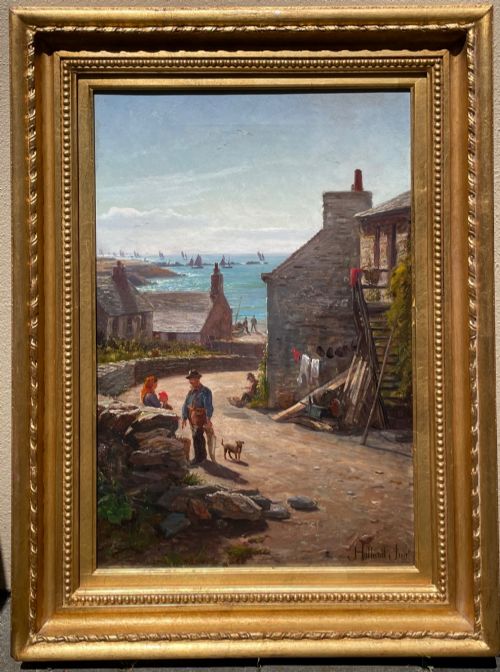
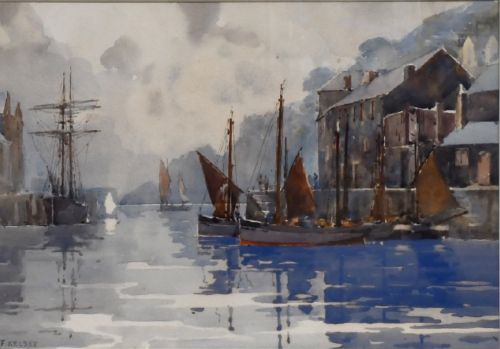


British Impressionist Seascape
A british impressionist seascape captures the shifting light and atmosphere of coastal life through brisk brushwork and observational honesty.
British Impressionist Seascape
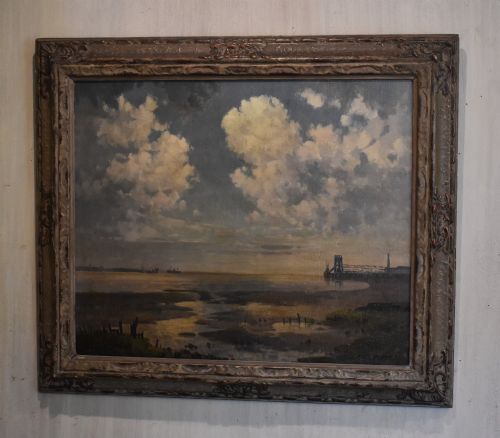
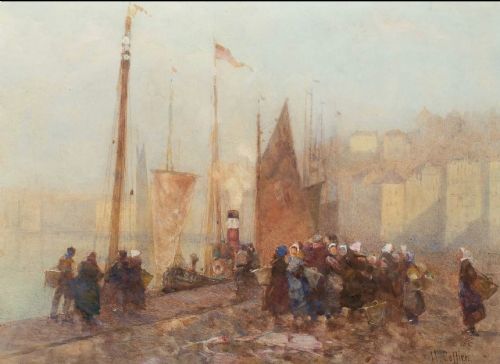
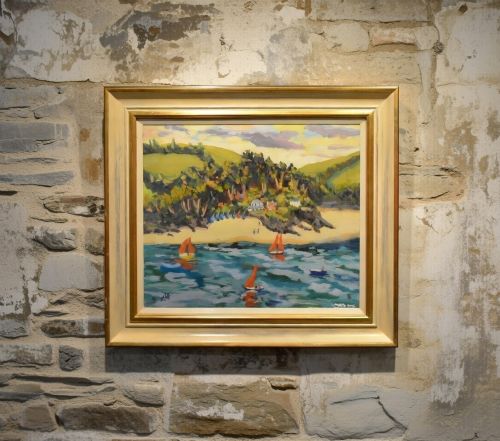
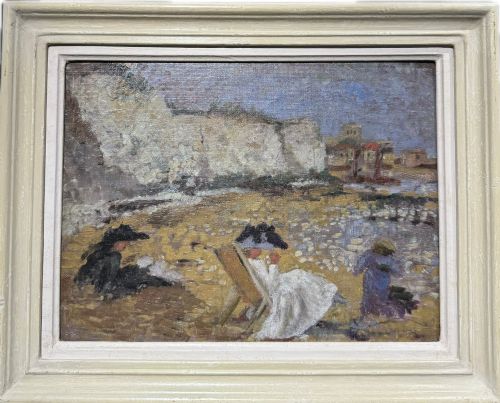
A british impressionist seascape records coastal towns, harbours, and tidal reaches across Britain and the continent from the late nineteenth century through to the mid-twentieth century. These works capture atmospheric conditions outdoors rather than relying entirely on studio formulas. The most frequent pieces met here combine oil paint on canvas, board, or watercolours on paper to render beaches, fishing boats, and rocky shores.
The regional focus often centres on renowned artist colonies such as St Ives, Newlyn, and coastal Cornwall, alongside Yorkshire fishing ports like Whitby and Filey. Painters working in this vein observed local watercraft and changing tides under various atmospheric effects, ranging from bright morning light to moonlit gloom. Such pictures bring the texture of maritime weather and shorelines directly into an interior.
Compositions range from intimate watercolour sketches executed on location to larger oil paintings worked up from en plein air studies. Collectors find that these coastal scenes document distinct regional identities and historical maritime communities that have since evolved. The pieces reflect a widespread turn toward naturalism and loose brush application among British artists during this broad period.
Materials and Technique
Artists relied primarily on oil paint applied to canvas or wooden board, or watercolours worked on paper, capturing fleeting effects of light on water. The introduction of portable paint tubes allowed painters to work en plein air directly beside the harbour or beach. Impasto techniques built up visible layers of pigment to suggest breaking waves, sandy textures, and rugged cliff faces.
Watercolour painters utilised fluid washes and swift pencil underdrawings to record atmospheric harbours and tidal mudflats with immediacy. Canvases display spontaneous brushstrokes that prioritise overall mood and light over microscopic detail. Wood panels and boards offered stable surfaces for artists painting outdoors in variable coastal weather.
British Impressionist Seascape Retail Price Guide 2026
Typical asking prices for british impressionist seascape among the pieces listed under this phrase on Sellingantiques today, from the lower quarter to the upper quarter. They describe what is for sale here now, not the wider market.
Several artists packed their watercolours into salt-stained pockets to brave coastal gales.
Assessing Quality and Execution
Quality rests upon the artist's ability to command light and atmosphere with economy of line and confident paint handling. Superior examples demonstrate a sure sense of tonal balance and spatial depth within the marine setting, whereas weaker works can lapse into formulaic repetition. The vitality of the brushwork and the observation of weather distinguish an inspired coastal study from a standard topographical record.
The integrity of the surface condition and the preservation of original framing contribute significantly to the standing of any individual painting. Works that retain their original pigment vibrancy without heavy overpaint or surface degradation hold greater visual presence. Stronger compositions reveal a deliberate engagement with the specific topography and maritime character of the depicted shore.
Clifford Hanney·Sidney A Court·William Banks Fortescue·Clive Browne·Hector Caffieri·Lucy Pratt·Ethel Sands·Cecil Allan Mould·Thomas Hodgson Liddell·John Holland·Frank Kelsey·Edward Matthew Elliott·William Lee Hankey·George Turland Goosey·William Greaves·Edward Seago·Donald McIntyre·Frederick William Hattersley·Owen Bowen·Ernest F Hill·Frederick Stuart Richardson·Jeffrey Pratt·Frank Wasley·Herbert Royle·H Hadfield Cubley
The British Impressionist Seascape Glossary
- En plein air
- Painting outdoors directly in front of the subject to capture natural light and transient atmospheric conditions. This method defined much of the impressionist approach to coastal landscapes.
- Impasto
- Paint applied thickly to a canvas or board so that it stands proud of the surface and retains the marks of the brush or palette knife. It is frequently employed to suggest the texture of crashing waves or rocky shores.
- Watercolour
- A paint consisting of pigment suspended in a water-based solution, typically applied to paper. It allows for translucent washes and rapid execution.
- Board
- A rigid wooden or fibrous panel utilised as a lightweight support for oil painting, particularly popular among artists working outdoors. It provides a firm alternative to stretched canvas.
British Impressionist Seascape: Frequently Asked Questions
What defines a british impressionist seascape?
These works focus on marine and coastal subjects painted with loose brushwork, paying close attention to natural light and weather. They record beaches, harbours, and fishing boats using oil or watercolour.
Created primarily during the late nineteenth and mid-twentieth centuries, the style breaks away from strict academic finish in favour of atmospheric immediacy.
Where were these coastal scenes painted?
Artists gathered around famous fishing ports and artist colonies, most notably in Cornwall around St Ives, Newlyn, and Lamorna. Other popular locations include Yorkshire coastal towns like Whitby and Filey, alongside continental spots in France and Venice.
Painters travelled to these maritime hubs specifically to observe tidal changes and local seafaring life firsthand.
How should I care for an oil painting on canvas?
Keep paintings away from direct sunlight and steady extremes of room temperature or humidity to protect the canvas and paint layers. Dust the surface very gently with a soft, dry brush when needed.
Avoid using any moisture or liquid cleaners on the paint surface, and consult a professional conservator for deeper cleaning.
How do I date a mid-century marine painting?
Look for clues within the artist's known working dates, framing materials, and the style of the signature or inscription on the reverse. Canvas stamps and old gallery labels often provide useful chronological markers.
Clothing styles of figures on beaches or the depiction of modern harbour infrastructure can also help narrow down the decade.