





Antique Marine Wall Art
These pieces of antique marine wall art capture centuries of maritime history through oil, watercolour, and print.
Antique Marine Wall Art
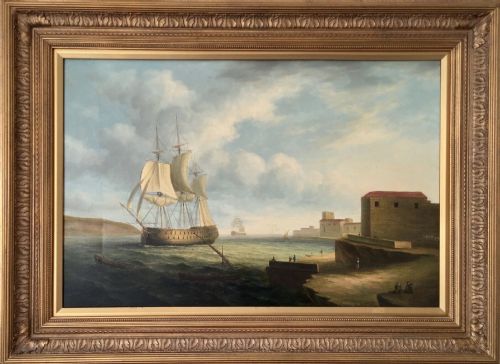
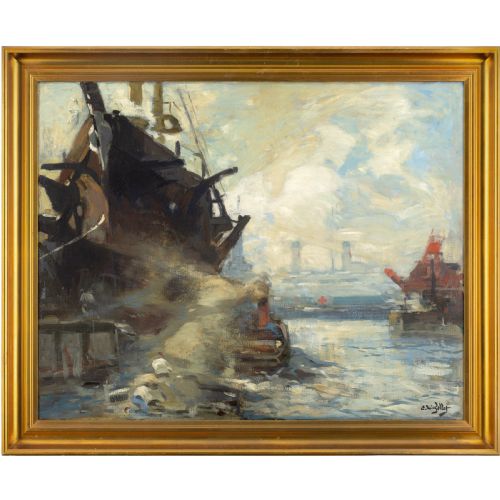
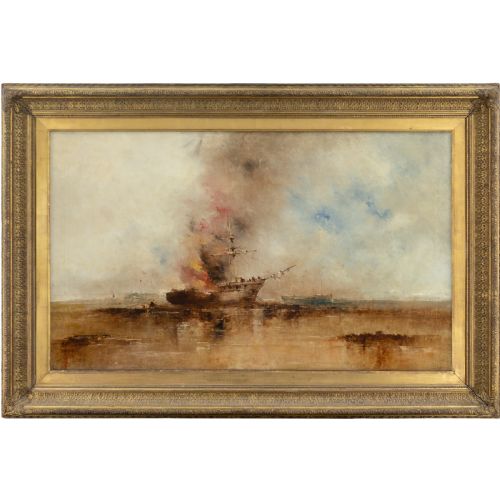
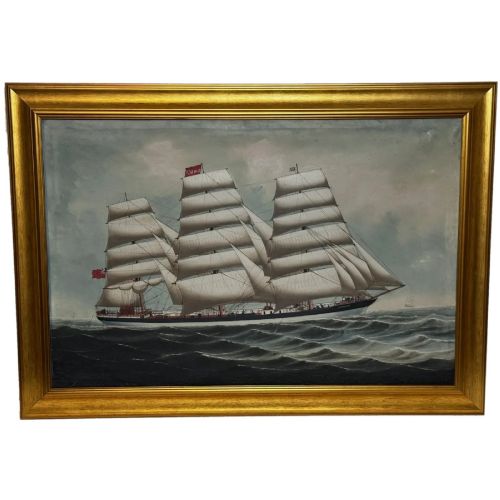
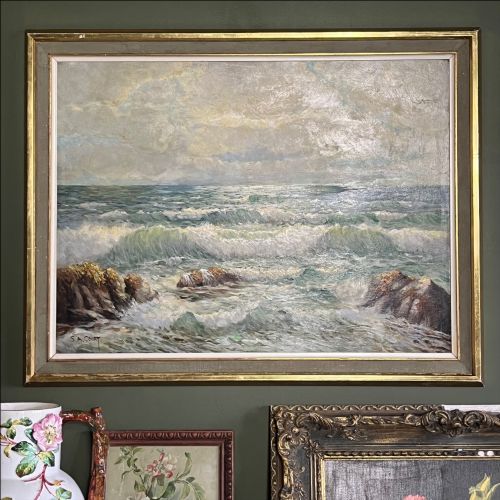
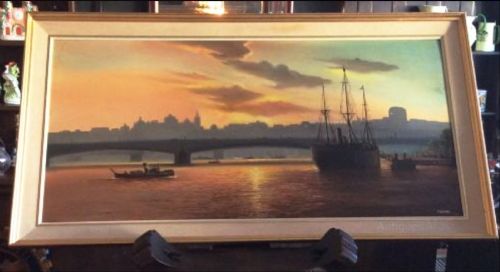
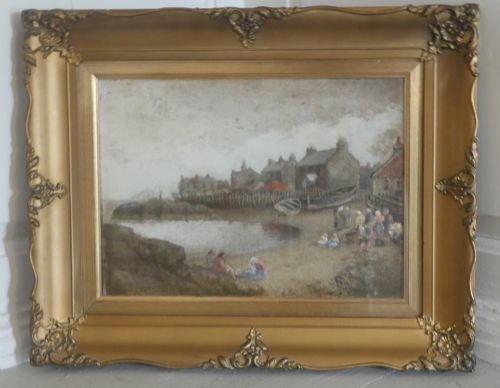
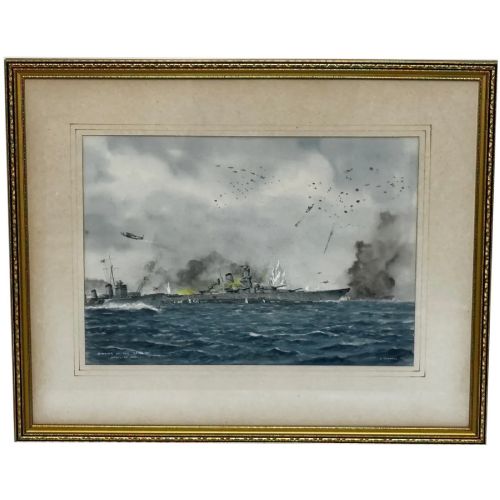
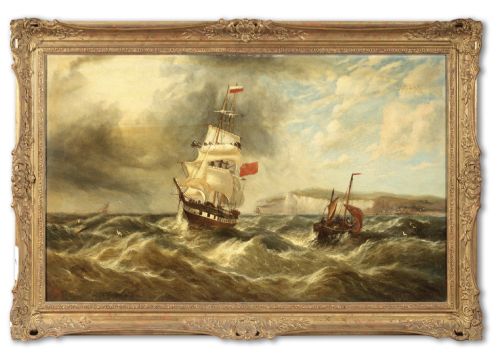
Buyers seeking antique marine wall art encounter a varied selection of nineteenth and early twentieth-century paintings, watercolours, and etchings. The material on this page consists predominantly of framed oil paintings on canvas and panel, alongside delicate works on paper depicting coastal scenes, harbours, and tall ships.
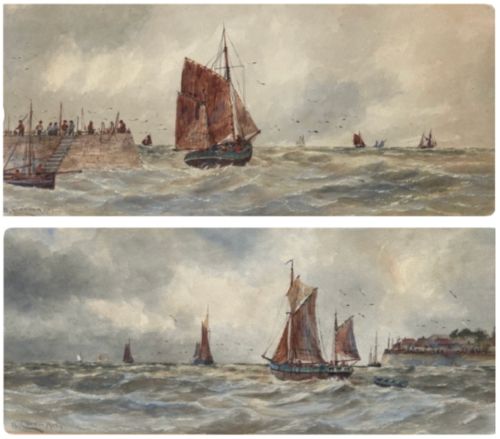
Subjects range widely from turbulent gale scenes involving Dutch boats and steamships to serene watercolours of fishing fleets in Cornish harbours and panoramic views of the River Thames. Victorian and Edwardian maritime traditions dominate the selection, offering detailed records of naval vessels, merchant ships, and coastal life.
Materials and techniques
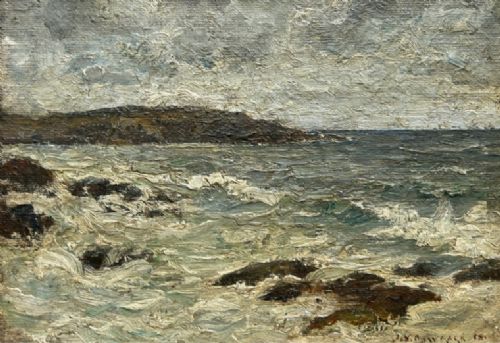
Artists working within this genre relied heavily on oil on canvas or wood panel for large-scale coastal views and dramatic storm scenes, utilising impasto to render the texture of rough seas. Watercolour on paper was standard for lighter, atmospheric depictions of fishing boats and coastal havens.
Framing forms an integral part of these works, with many pieces housed in period gilt wood frames that complement the maritime subject matter. Etchings on paper also appear, showcasing fine linear detail executed by hand.
Antique Marine Wall Art Retail Price Guide 2026
Typical asking prices for marine wall art among the pieces listed under this phrase on Sellingantiques today, from the lower quarter to the upper quarter. They describe what is for sale here now, not the wider market.
Listings feature works from the nineteenth and twentieth centuries, spanning oils on canvas, watercolours on paper, and etchings.
Judging quality in marine works
Quality rests primarily upon the skill of the brushwork and the accuracy with which the vessel and water are rendered. Stronger examples demonstrate a precise understanding of maritime rigging, hull structure, and the natural movement of light upon the sea.
The provenance and attribution to a recorded artist elevate a piece significantly above anonymous school works. Preservation of the original canvas, paper, and period frame also dictates the overall standing of an artwork.
James Orrock·William Cannon·Eugène-Louis Gillot·William McAlpine·Reginald Arthur Borstel·B. Nash·Edward Mills·William Banks Fortescue·John Rose Miles·William Broome·Bernard Gribble·William Lionel Wyllie·Bonaventura Peeters·F. Corpuz·Bernard Benedict Hemy·Thomas Creswick·Willem Bos·John Wilson Carmichael·Richard B. Spencer·William Henry Williamson·Robert Leslie Howey
The Antique Marine Wall Art Glossary
- Impasto
- Paint applied thickly to a canvas or panel so that it stands out from the surface. This technique allows artists to build physical texture into crashing waves or billowing sails.
- Barque
- A sailing vessel with three or more masts. The fore and mainmasts are square-rigged, while the mizzenmast is fore-and-aft rigged.
- Etching
- A printmaking process where lines are incised into a metal plate with acid. Ink is then caught in the grooves and transferred to paper under pressure.
- Gouache
- An opaque water-based paint that includes a white pigment to create denser, heavier colour fields than standard watercolour.
- Seascape
- A work of art that depicts the sea, coastal views, or marine shipping. These pieces focus on maritime environments rather than inland terrain.
Antique Marine Wall Art: Frequently Asked Questions
How do I care for antique marine paintings?
Keep framed canvases and watercolours away from direct sunlight and damp conditions to prevent the paper from foxing and the oil from cracking.
Dust gilt wood frames gently with a dry, soft brush, and avoid applying any liquid cleaning agents directly to the painted surface.
Were these artworks created as records?
Many nineteenth-century marine works served as precise records of specific vessels, naval engagements, or coastal towns before the rise of widespread photography.
Artists often captured commissioned portraits of merchant ships or documented historical events like military transport during wartime.
How do I distinguish watercolours from oil paintings?
Watercolour works are executed on paper, usually displayed under glass with a mount, showing a translucent quality where the white of the paper illuminates the pigment.
Oil paintings utilise a thick medium applied to stretched canvas or wooden panels, possessing a heavier texture and a semi-gloss or matte finish.
What is a marine diorama?
A marine diorama is a three-dimensional model of a ship set against a painted flat background depicting the sea and sky.
These pieces combine carved wooden or metal ship models with canvas backdrops to create a sense of depth and movement.