


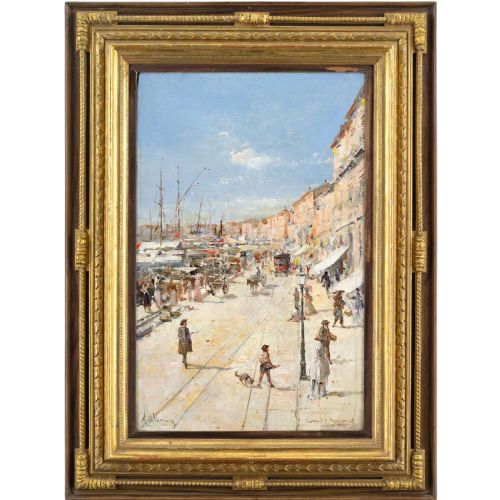

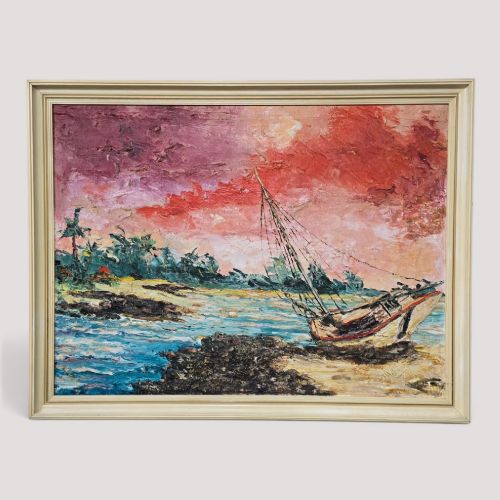
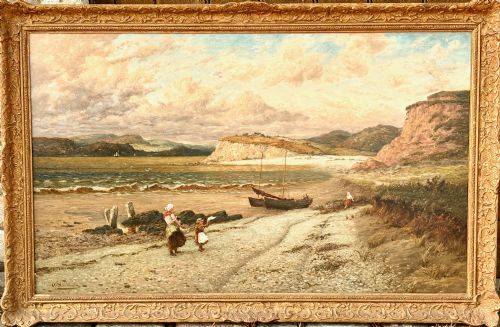
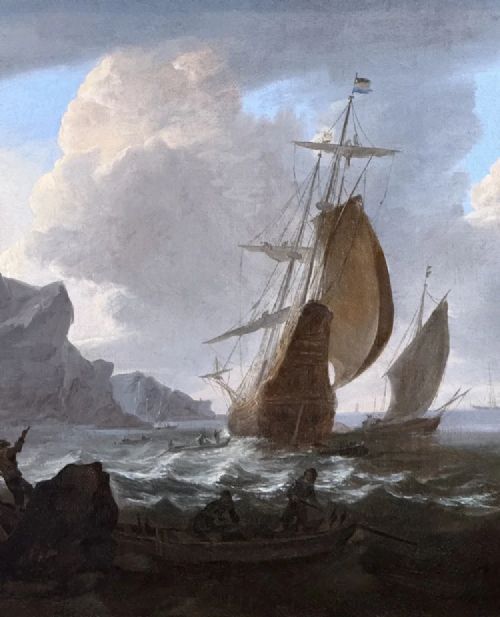

Coastal Oil on Canvas
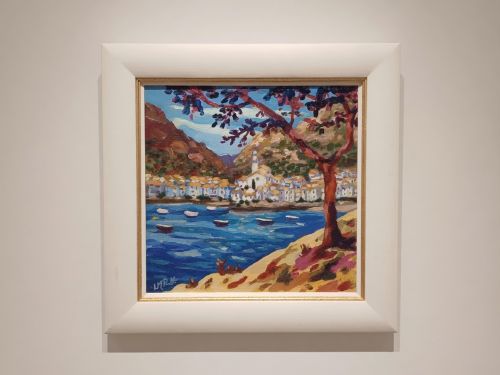
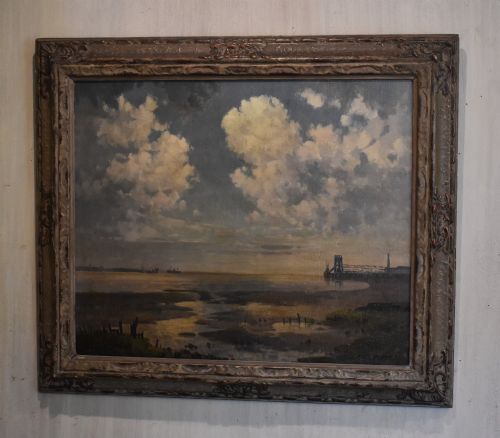
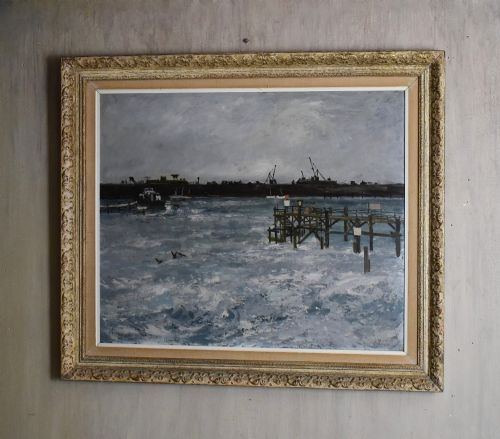
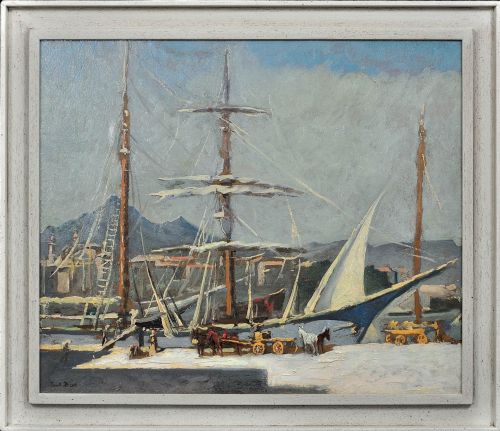
Coastal oil on canvas works capture the movement of the sea and the light of the shore across centuries of maritime art.
Coastal Oil on Canvas
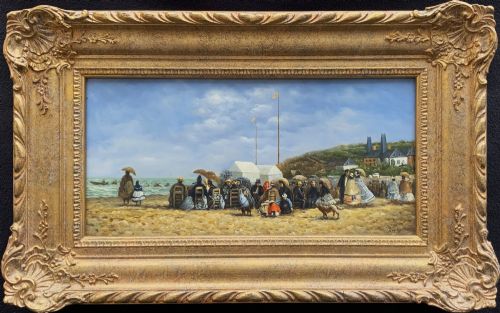
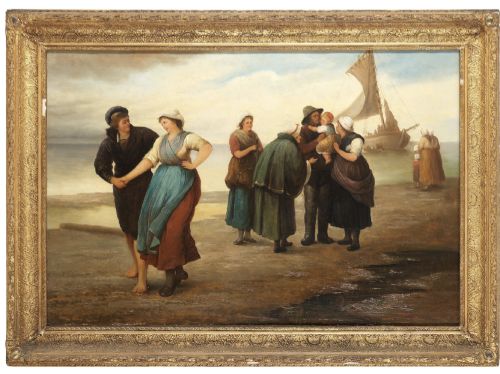
When you search for coastal oil on canvas, you encounter marine landscapes, harbour scenes, and seaside gatherings painted across multiple eras.
The selections span from nineteenth-century British and French works to mid-century modern interpretations of the shore.
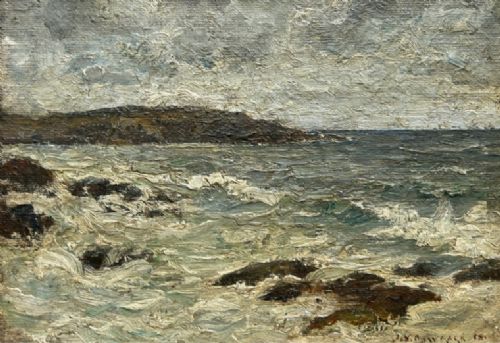
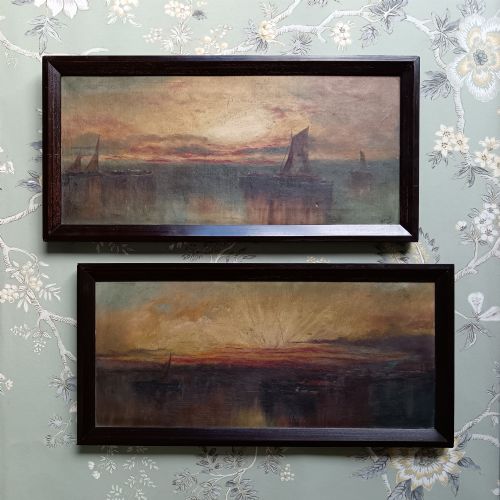
Most pieces present maritime views, fishing boats, and coastal paths rendered in oil paint upon woven fabric.
Materials and Techniques
Artists apply oil paint to stretched canvas, utilising the texture of the fabric to catch light and depict turbulent water or calm harbours.
Many works incorporate impasto techniques where thick pigment builds up surface relief, particularly to render waves or rocky shorelines.
Frames often consist of carved wood or gilt wood enclosures that complement the period of the painting.
Listings feature works from the nineteenth century through to the mid-twentieth century on canvas and wood boards.
Judging Quality
Quality rests in the handling of light and atmospheric perspective, distinguishing atmospheric depth from flat depiction.
The confidence of the brushwork and the precision with which maritime vessels or figures are integrated into the coastal landscape elevate the piece.
Condition of the canvas surface and originality of the framing contribute significantly to the standing of the work.
Clifford Hanney·Bernard Benedict Hemy·Thomas Creswick·John Wilson Carmichael·Abraham Hulk I
The Coastal Oil on Canvas Glossary
- Canvas
- A heavy woven fabric used as a surface for oil painting. It provides structural support and texture to the finished work.
- Impasto
- The technique of laying paint on canvas thickly so that it stands out from the surface. This method adds palpable texture to waves and clouds.
- Maritime
- Pertaining to the sea, shipping, and navigation. These subjects dominate marine landscapes and coastal views.
- Post-Impressionism
- An art movement extending Impressionism while rejecting its limitations. Artists use vivid colours and distinct brushstrokes to portray coastal scenes.
Coastal Oil on Canvas: Frequently Asked Questions
How do I date a coastal oil painting?
Examine the canvas preparation, stretcher construction, and style of the brushwork to determine the period of origin. Clothing styles of any figures depicted also offer clues.
Compare the signature and framing techniques with known examples from specific decades or artistic movements.
Where should I hang a coastal oil painting?
Position the piece away from direct sunlight and excessive humidity to protect the oil paint and canvas. Natural ambient light enhances the painted tones.
Ensure the wall can support the weight of the framed canvas, particularly with larger nineteenth-century works.
How do I clean an oil painting?
Dust the surface gently with a soft, dry brush to remove loose particles without disturbing the pigment. Avoid using water or chemical cleaners.
Consult a professional conservator for deeper cleaning or removal of accumulated surface grime.
What defines a marine landscape?
A marine landscape focuses primarily on the open sea, ships, or coastal waters rather than inland topography. These works often capture vessels in varying weather conditions.
The genre includes harbour views, shipwrecks, and calm seascapes created by specialist painters.