


Female Artist Oil Painting
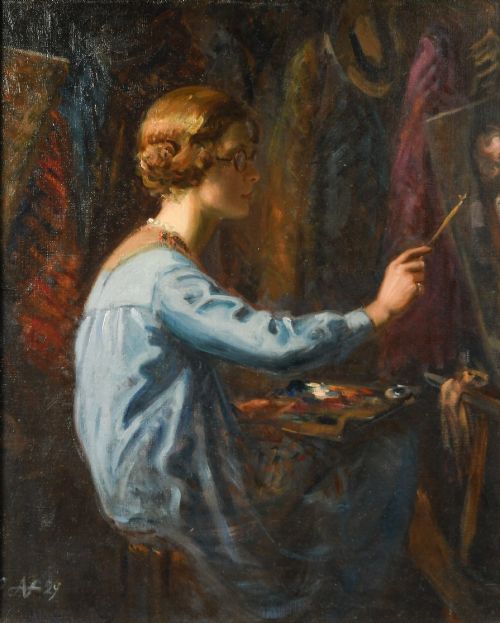
A female artist oil painting brings domestic interiors, intimate portraits, and avant-garde scenes directly from historical studios into modern rooms.
Female Artist Oil Painting
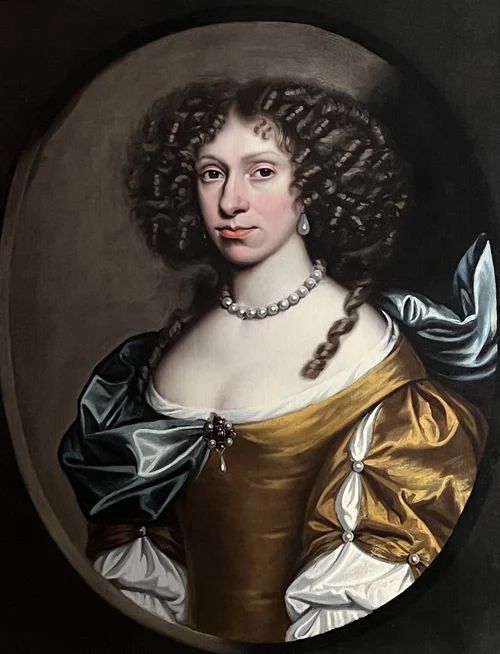
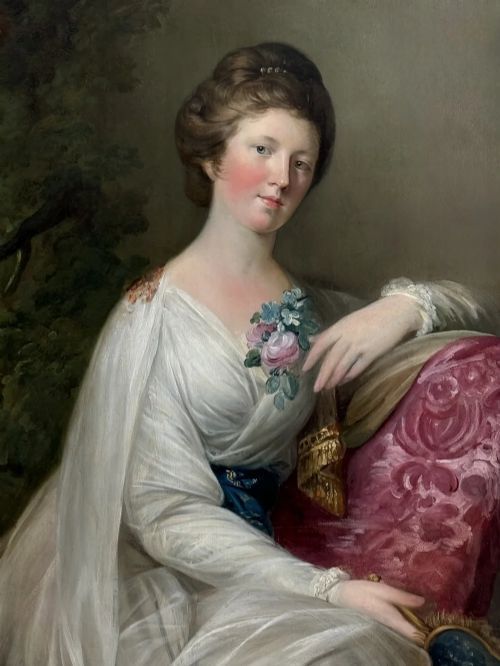
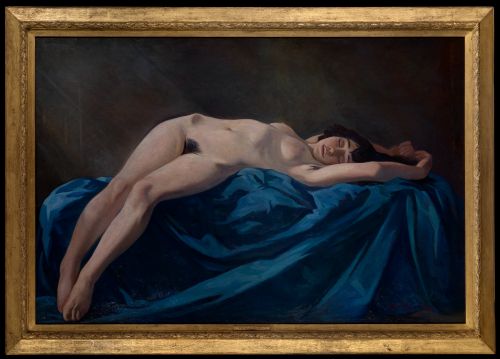
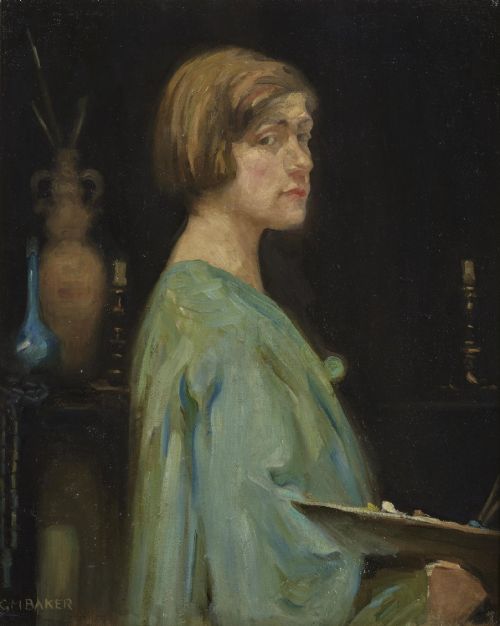
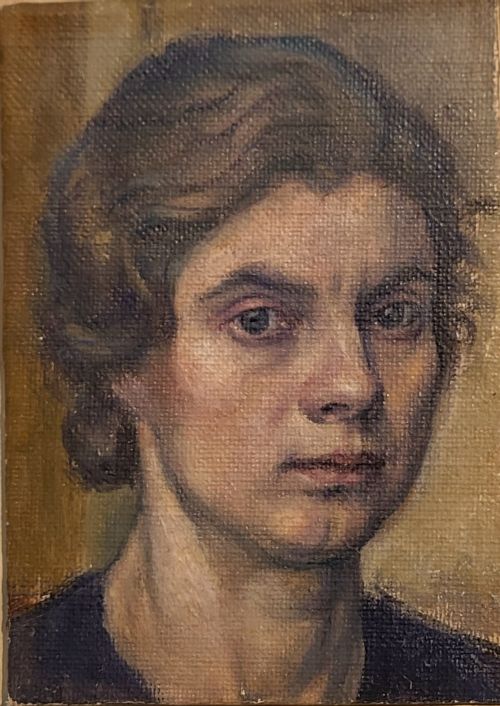
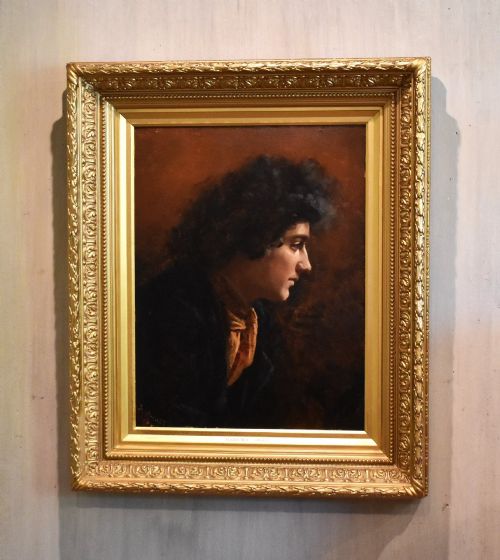
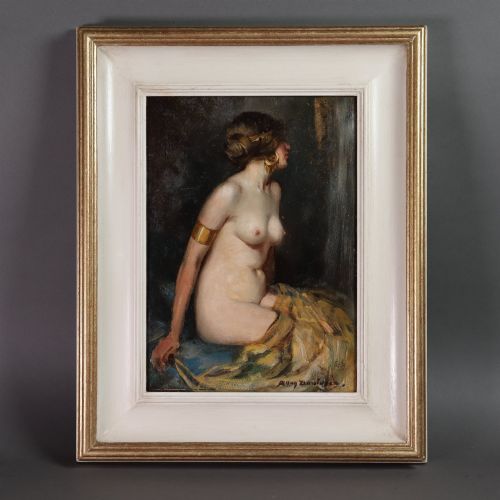
A female artist oil painting captures subjects ranging from Georgian formal portraiture to 20th-century modernist interior scenes and figure studies. Collectors searching for a female artist oil painting encounter canvases spanning the seventeenth century through to the mid twentieth century, including works by named painters and anonymous hands. The selection encompasses self-portraits, pastoral landscapes, and nuanced depictions of women at leisure or work.
Portraits of individuals and self-portraits dominate the earlier centuries, executed within the conventions of Georgian and Victorian academic training. By the early twentieth century, the scope widens to include Post-Impressionist interiors, wartime village views, and Post-First World War bohemian life. These works record the changing social visibility and professional lives of women painters across European artistic centres.
Materials and technique
Oil paint applied to stretched canvas remains the primary medium across the centuries, supplemented occasionally by oil on board or paper. Canvas grounds provide the flexible, textured support necessary for building up rich layers of pigment, glazes, and impasto brushwork. Wood panels and gilded frames frequently accompany works from the seventeenth and eighteenth centuries, offering structural rigidity and period-appropriate presentation.
Techniques range from the controlled, linear precision of eighteenth-century portraiture to the looser, expressive handling seen in twentieth-century avant-garde pieces. Artists utilised traditional layering methods for skin tones and fabrics, shifting towards visible, rapid brushstrokes in later interior and landscape studies. The interaction of oil medium with canvas weave dictates the surface texture visible under raking light.
Female Artist Oil Painting Retail Price Guide 2026
Typical asking prices for female artist oil painting among the pieces listed under this phrase on Sellingantiques today, from the lower quarter to the upper quarter. They describe what is for sale here now, not the wider market.
Listings feature oil on canvas and oil on board across periods from the seventeenth century through to the mid twentieth century.
Quality and execution
The standard of draughtsmanship in figure drawing and the confident handling of facial anatomy separate accomplished works from routine studio output. Superior canvases demonstrate a clear command of light, shadow, and tonal harmony, whether rendering silk garments in a Georgian portrait or capturing sunlight on a French seafront. The strength of composition and the artist's ability to imbue a sitter or interior with psychological depth elevate certain paintings above mere documentation.
Conservation history and surface stability also influence the standing of an individual canvas. Paintings retaining their original unlined canvas, stable pigment layers, and period frames hold greater integrity than those suffering from aggressive past restorations or extensive overpaint. The clarity of provenance and the survival of documented attribution further distinguish museum-grade examples from anonymous school pieces.
Gladys Marguerite Baker·Florence Small·Allan Douglas Davidson·Mercedes Legrand·Jane Maria Bowkett·Lucy Kemp-Welch
The Female Artist Oil Painting Glossary
- Impasto
- Paint applied thickly to a canvas, standing out from the surface so that the marks of the brush or palette knife remain visible. This technique adds tactile three-dimensional quality and catches light dynamically.
- Ground
- The initial preparatory layer applied to a canvas or board to prepare it for painting. It seals the fabric and provides a stable, uniform tone upon which the artist builds the oil composition.
- Provenance
- The documented history of ownership of a painting from its creation to the present day. Clear provenance assists in confirming authenticity, attribution, and exhibition history.
- Intimist
- An artistic style focusing on quiet, private interior scenes of domestic life. Practitioners capture moments of intimate solitude, often using soft lighting and muted interior palettes.
- Avant-garde
- Works exhibiting experimental, radical, or innovative approaches to art-making that push past established academic conventions. These pieces frequently challenge prevailing stylistic norms of their period.
Female Artist Oil Painting: Frequently Asked Questions
How do I date an oil painting?
Dating relies upon stylistic markers, costume details of sitters, canvas types, and framing conventions typical of specific decades. Comparative analysis with securely attributed works from the same period helps narrow the window.
Secondary evidence such as stretcher construction, framing nails, and handwritten inscriptions on the reverse of the canvas or board provide further chronological clues.
What is a self portrait?
A self-portrait is a representation of the artist drawn, painted, or sculpted by their own hand, usually executed by viewing a reflection in a mirror. These works offer direct insight into how painters chose to present their profession and identity to the world.
In historical contexts, female self-portraits hold particular significance as records of professional status at a time when formal academic training presented systemic barriers.
How should I care for oil paintings?
Oil paintings require stable indoor environments with moderate humidity and temperature levels, away from direct sunlight and heat sources. Avoiding extreme environmental fluctuations prevents the canvas from slackening and the paint layer from cracking.
Dust should be removed gently from the surface and frame using a soft, dry, non-abrasive brush, leaving deep cleaning and varnish removal strictly to professional conservators.
What distinguishes academic realism?
Academic realism follows the strict standards and techniques taught by official European art academies, emphasising precise draughtsmanship, smooth blending, and adherence to historical or classical subjects. Figures are rendered with anatomical accuracy and careful attention to light.
This approach contrasts sharply with the loose brushwork and flattened perspectives of later avant-garde movements, though many modernist painters trained initially within academic systems.