


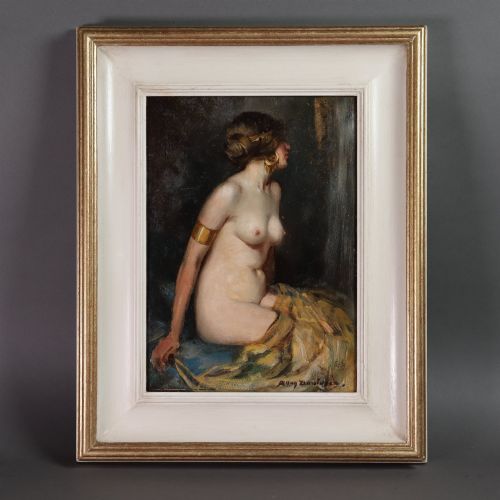

Vintage Female Nude Artwork
When you search for vintage female nude artwork, you explore a diverse range of figure studies and paintings capturing the human form across the twentieth century.
Vintage Female Nude Artwork
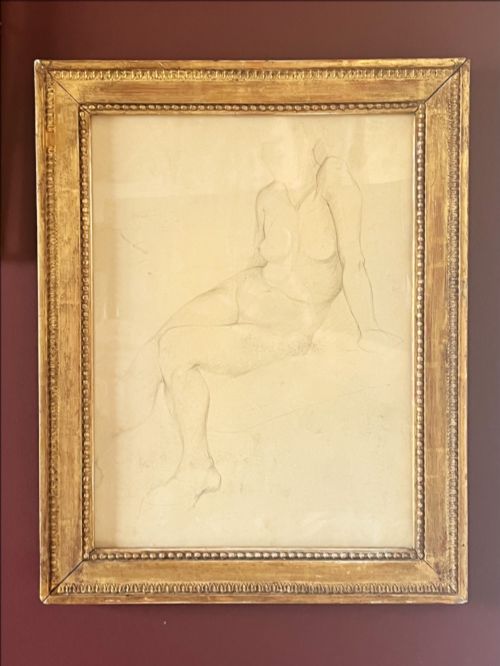
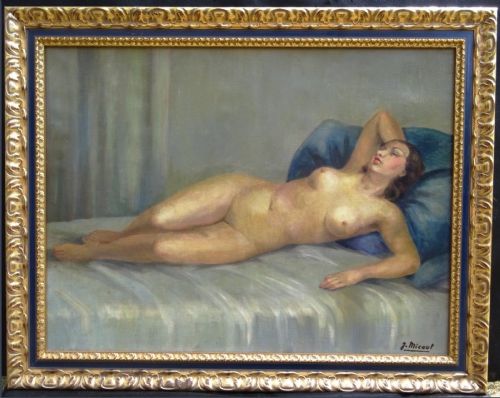
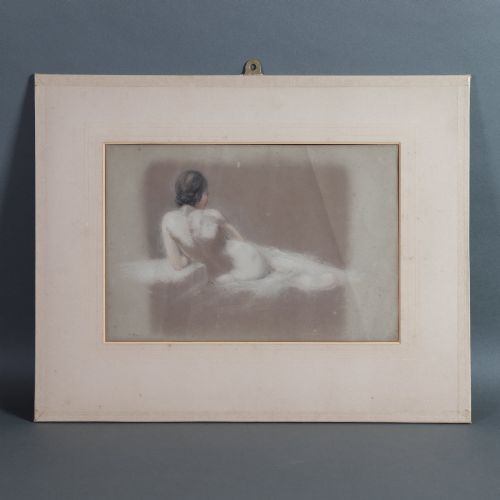
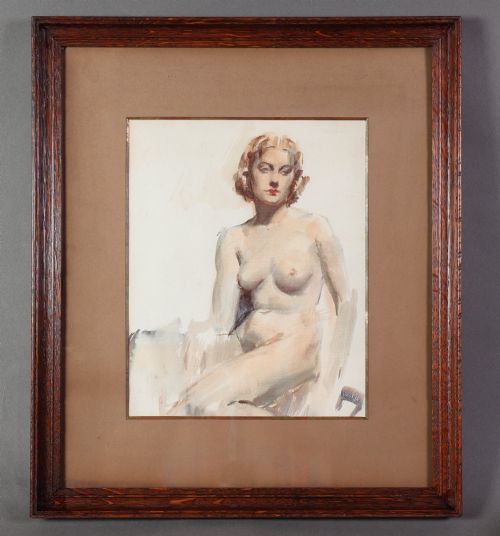
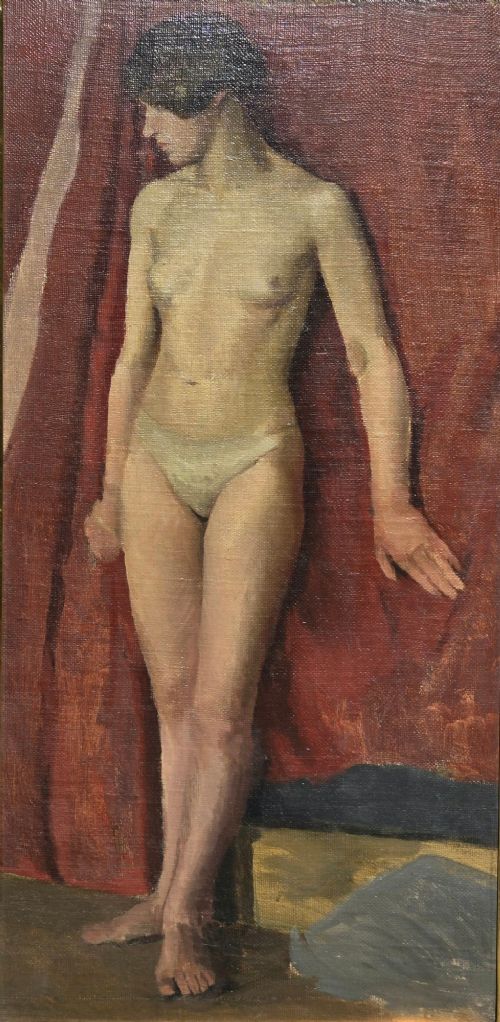
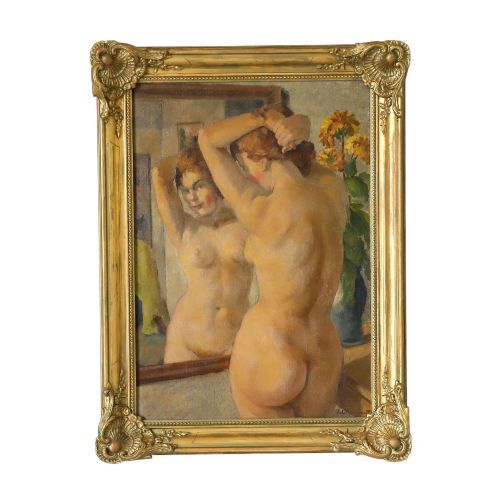
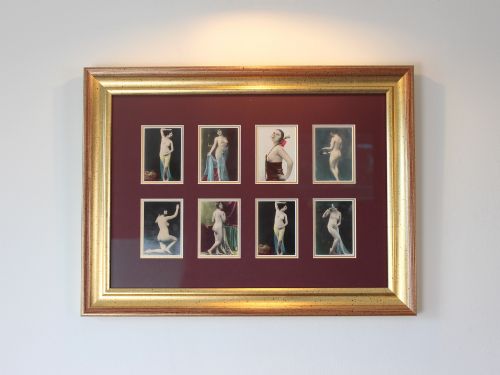
Vintage female nude artwork encompasses a wide array of mediums, including oil paintings, charcoal drawings, watercolours, and hand-tinted photographs. These pieces capture the human form through various lenses, ranging from academic studies to expressive modernist interpretations.
The selections span from the late nineteenth century through to the 1960s, with a strong representation of works from the 1920s and 1930s. Buyers will encounter French Art Deco creations, British School paintings, and mid-century modern expressions.
Works appear in formats such as framed oil on canvas, delicate charcoal life drawings, and miniatures on panel or paper. Subjects range from reclining figures and sunbathers to intimate interior scenes and studio life studies.
How they were made
Artists utilised traditional canvas, wood panels, and heavy art paper as grounds for their compositions, applying oil paint, watercolour, gouache, charcoal, or graphite. The application varies from smooth academic realism with careful chiaroscuro to vigorous post-impressionist brushwork and expressive mixed media studies.
Framing plays a significant role in presentation, with many works housed in period gilt frames that reflect the aesthetic of their era, from ornate Victorian moulding to cleaner Art Deco profiles.
Vintage Female Nude Artwork Retail Price Guide 2026
Typical asking prices for vintage female nude artwork among the pieces listed under this phrase on Sellingantiques today, from the lower quarter to the upper quarter. They describe what is for sale here now, not the wider market.
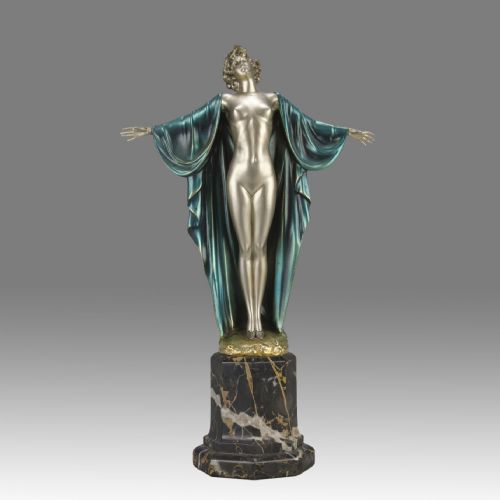
Listings feature works created in mediums including oil on canvas, charcoal, graphite, bronze, and hand-tinted photography across various European traditions.
What varies in quality
Quality in these works rests on the draughtsmanship and the artist's command of tone and proportion in capturing the live model. Stronger pieces demonstrate a confident handling of light and shadow, particularly in charcoal life studies and oil paintings.
The distinction between standard works and exceptional pieces often lies in the provenance and the artist's standing, whether created by recognised figures of the British School, continental European modernists, or skilled anonymous practitioners of the period.
Ferdinand Preiss·William Etty·Philippe de Rougemont·Julian Mandel·Augustus John·Raymond Moritz·Tony Giles·Henri Vincent-Anglade·Gaetan Dumas·Allan Douglas Davidson·Sir William Russell Flint·Peter Jackson·Jean Hippolyte Marchand·Pinchus Krémègne·Winifred Eugene Ballard·Mariette Lydis·Yetta Kane·Raymond Arthur Roadnight·Frank Dobson
The Vintage Female Nude Artwork Glossary
- Chiaroscuro
- The use of strong contrasts between light and dark, usually bold contrasts affecting a whole composition. This technique helps give the human form volume and depth in painted and drawn studies.
- Life drawing
- A drawing of the human figure from a live model, often executed in charcoal, pencil, or chalk. These studies record the artist's immediate observation of anatomy.
- Cold painted bronze
- A method where bronze sculptures are painted with cold paint, usually oil or enamel, rather than firing the pigment onto the metal. It was a popular technique for small decorative figures during the early twentieth century.
- Post-Impressionism
- An art movement extending roughly from the last decade of the nineteenth century that rejected impressionism's concern with the spontaneous recording of light. Artists focused instead on symbolic content, formal order, and structural clarity.
- Gouache
- A method of painting using opaque watercolours with a considerable-sized particle load. It produces a flat, matte colour surface that dries to a dense finish.
Vintage Female Nude Artwork: Frequently Asked Questions
What periods do these artworks cover?
The selections span from the nineteenth century through the early decades of the twentieth century, with notable concentrations from the 1920s, 1930s, and mid-century eras.
You will find pieces reflecting movements such as Art Deco, French post-impressionism, and modern British art alongside traditional academic studies.
How should I display a vintage charcoal drawing?
Charcoal and pastel works on paper require careful framing behind glass to protect the delicate medium from atmospheric moisture and physical contact. Keep them out of direct sunlight to prevent the paper from yellowing and the media from fading.
Matching the period of the frame to the era of the drawing enhances the historical character of the piece when hung in a domestic interior.
What is the difference between a life study and a finished painting?
A life study is typically an observational drawing or quick painting created directly from a model in the studio or art school, prioritising anatomical accuracy and gesture. Finished paintings are usually more complex compositions developed for exhibition or sale.
Both forms offer insight into the artist's technical skill and their approach to representing the human body.
Are these works signed by the artists?
Many pieces feature signatures, monograms, or studio stamps, while others remain attributed to specific schools or anonymous makers of the period. Documentation accompanying the artwork often records known biographical details of the creator.
Signatures provide a direct link to the maker, though unsigned works from recognised artistic circles remain valued for their quality and period style.