
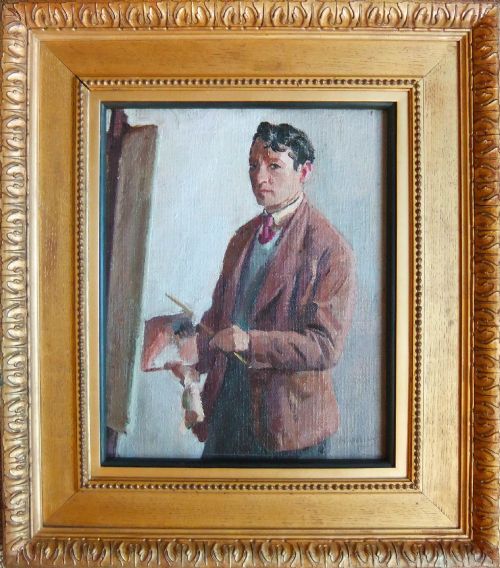
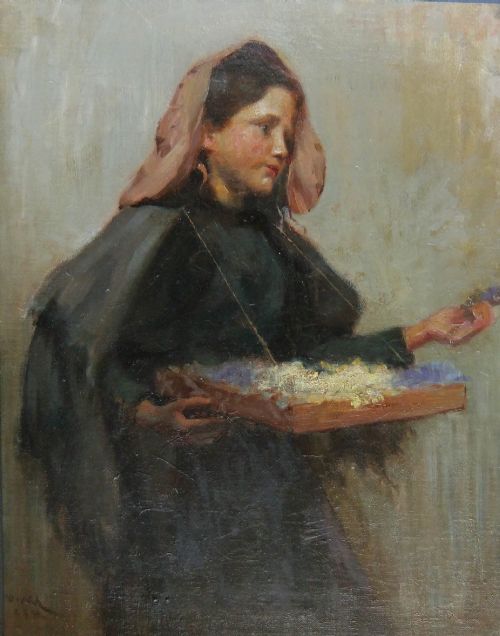
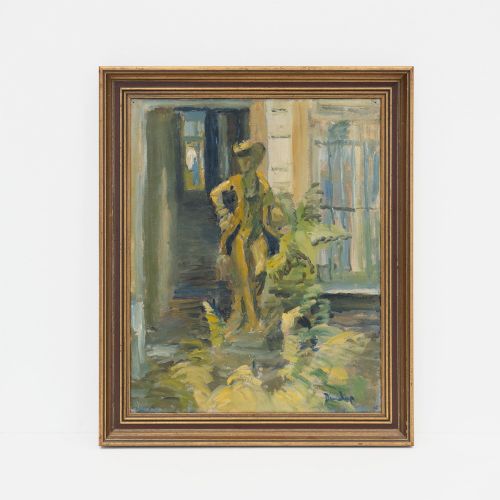


Impressionist Figurative Oil Painting
Impressionist figurative oil painting captures human presence through loose brushwork and light, offering collectors vibrant windows into past domestic and social scenes.
Impressionist Figurative Oil Painting
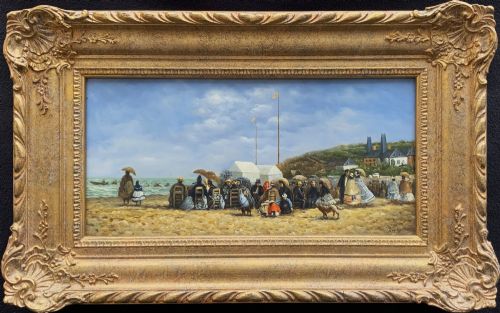
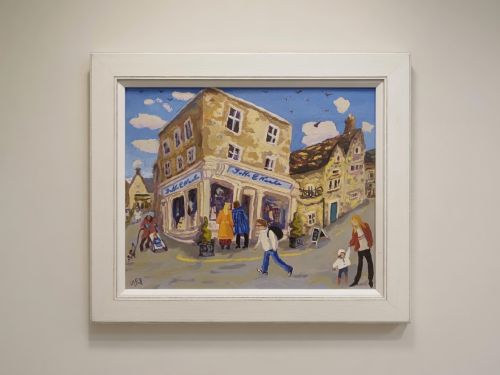
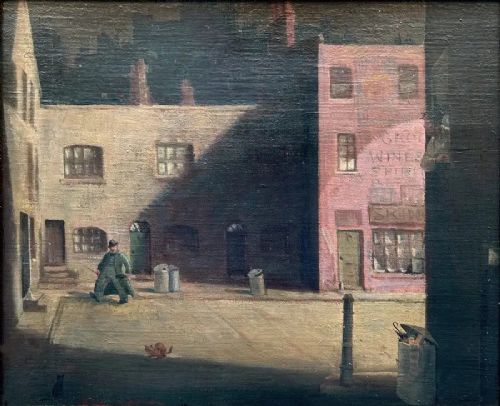
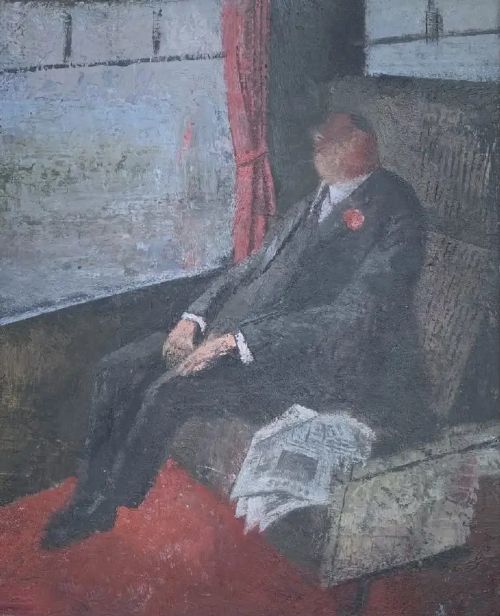
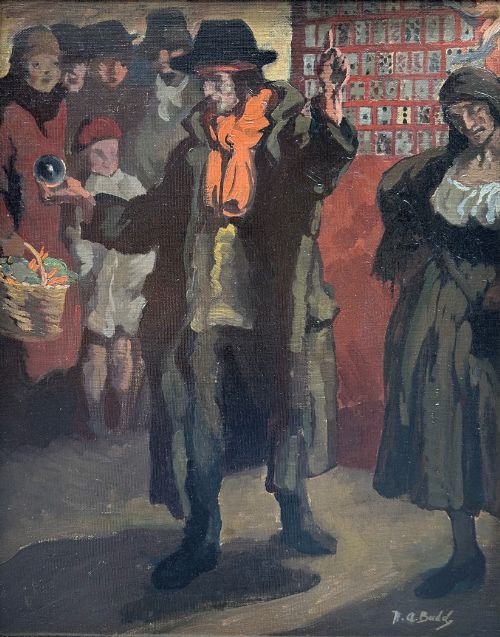
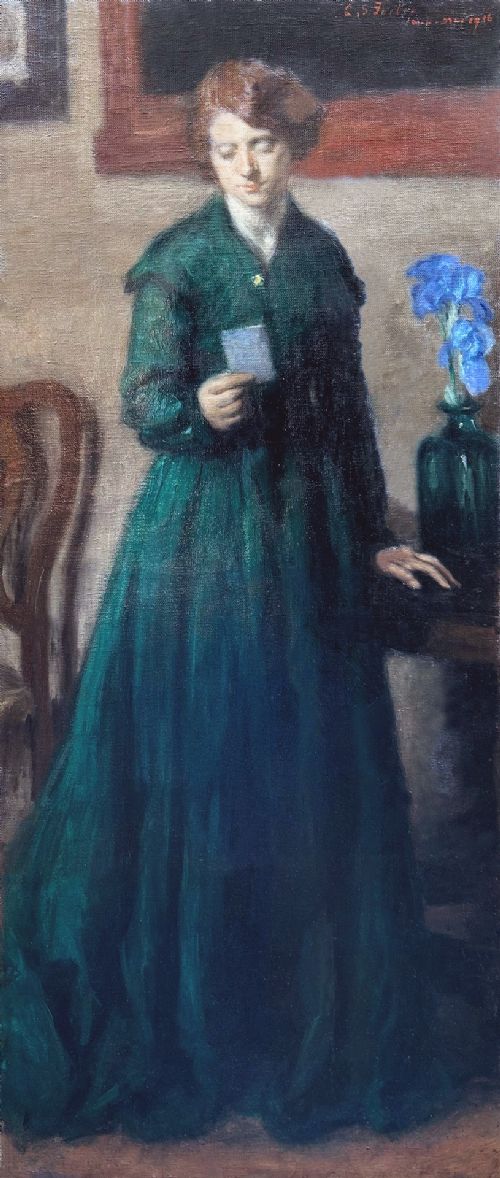
An impressionist figurative oil painting focuses on human subjects, ranging from solitary nudes and portraiture to group gatherings and children at play. These works capture specific moments of everyday life, rendered through the expressive application of paint rather than rigid academic precision.
The pieces found here predominantly span the late nineteenth century through to the mid-twentieth century, encompassing British Impressionism, Post-Impressionism, and modern interpretations. Collectors encounter domestic interiors, sunlit gardens, and coastal scenes executed by regional and continental artists alike.
Materials and techniques
Artists primarily applied oil paint to stretched canvas or wooden panels, utilising the medium's slow drying time to blend tones and build rich textures directly on the support. The handling of pigment varies from thin, translucent glazes to thick, deliberate impasto that catches the light.
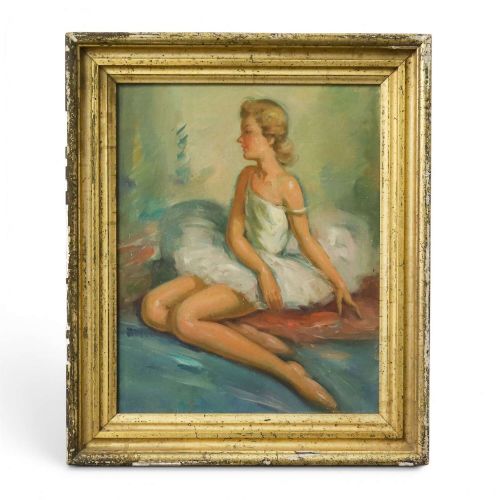
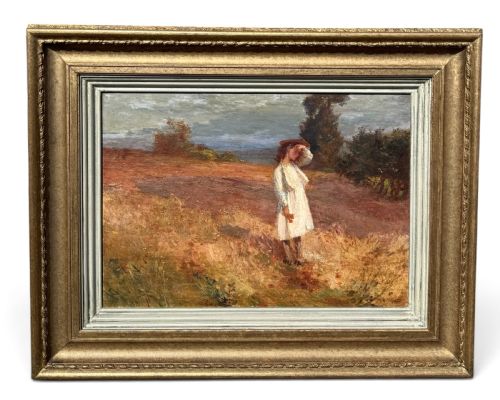
Gilt wood frames frequently accompany these works, providing a period-appropriate enclosure that enhances the visual depth of the composition. The physical application of paint remains central to the style, prioritising atmospheric effect over minute anatomical detail.
Several canvases capture serene moments of nudes sunbathing by rivers, proving that Edwardian leisure had a wonderfully relaxed side.
Distinctions in quality
Quality rests upon the artist's command of light, shadow, and human gesture, where assured brushstrokes convey movement and mood with economy. Stronger examples demonstrate a confident control of tone that unifies the subject with its surrounding environment.
The structural integrity of the canvas and the preservation of the original paint layer influence desirability. Works that retain their original framing and untouched surfaces offer a more authentic historical record.
Francisco Sancha·Herbert Ashwin Budd·Charles Stuart Forbes·Philip Naviasky·William Watt Milne·Ronald Ossory Dunlop·Raymond Moritz·Henri Vincent-Anglade·Frans Gailliard·Harry Freckleton·Attilio Toro·Gabriel Dauchot·Kershaw Schofield·Florence Hess·Jean Hippolyte Marchand·Albert Guillaume·Roland Batchelor·Jeffrey Pratt·Igor Talwinski·Kenneth B Malpass·Christian Caillard·Albert de Belleroche·Donald Wood·Markey Robinson·Lucy Pratt
The Impressionist Figurative Oil Painting Glossary
- Impressionism
- A style of painting emphasising light and its changing qualities, ordinary subject matter, and visible brushstrokes. This approach departed from traditional academic finish in favour of immediate optical experience.
- Post-Impressionism
- A predominantly French art movement that extended Impressionism while rejecting its limitations. Artists here sought greater expression of structure and symbolic content.
- Impasto
- The process of applying paint thickly on a canvas, so that it stands out from the surface. This technique adds tactile dimension and captures light dynamically.
- Gilt wood
- Wood coated with gold leaf or a gold-coloured substance. Antique frames of this finish frequently complement oil paintings from the nineteenth and twentieth centuries.
Impressionist Figurative Oil Painting: Frequently Asked Questions
What defines an impressionist figurative oil painting?
These works centre on human subjects depicted through loose brushwork and an emphasis on natural light rather than rigid academic realism.
They capture fleeting moments of daily life, leisure, or portraiture using oil paints on canvas or board.
How should I care for an oil painting?
Keep the artwork away from direct sunlight, extreme temperature fluctuations, and high humidity to protect both the canvas and the paint layer.
Dust the surface gently with a dry, soft brush and avoid using any liquid cleaners on the paint or frame.
How can I tell the period of a painting?
Examine the materials of the support, the style of the brushwork, and the framing, which often reflect the prevailing aesthetics of their decade of creation.
Signatures, dates, and historical labels on the reverse of the canvas or wood panel also provide reliable chronological markers.
Where were these artists typically based?
The creators of these works include both British practitioners and continental European masters, particularly from France, Belgium, and Italy.
Many operated within distinct regional groups or avant-garde circles, absorbing local landscape traditions and urban scenes.