
Wooden Framed Wall Art
Wooden framed wall art brings together centuries of paintings, mirrors, maps and panels housed in timber surrounds.
Wooden Framed Wall Art
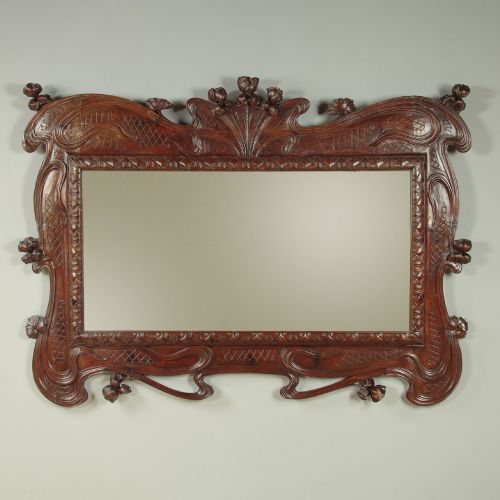
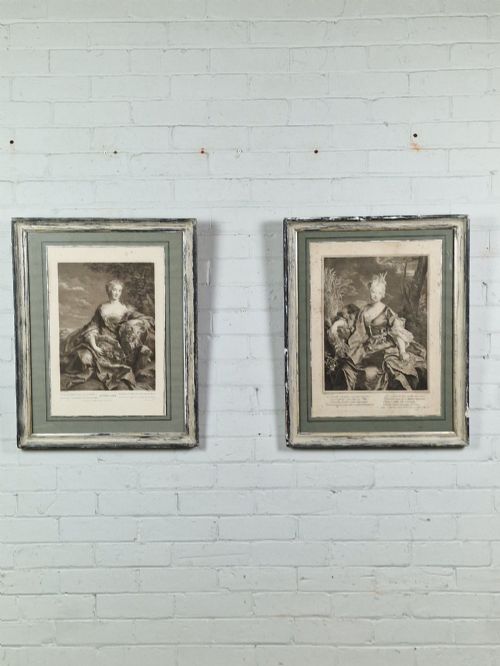
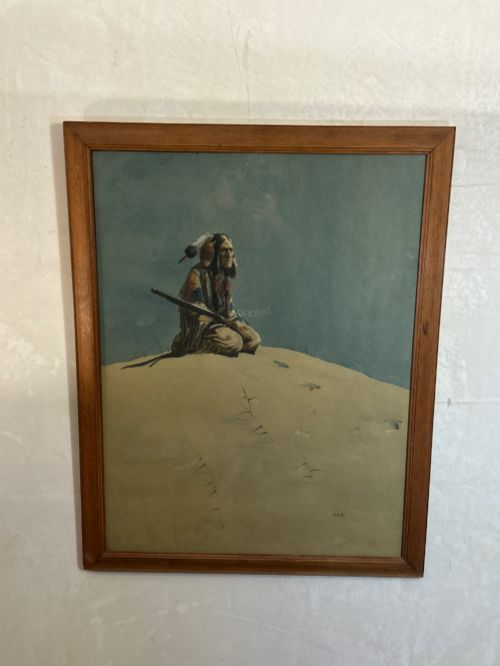
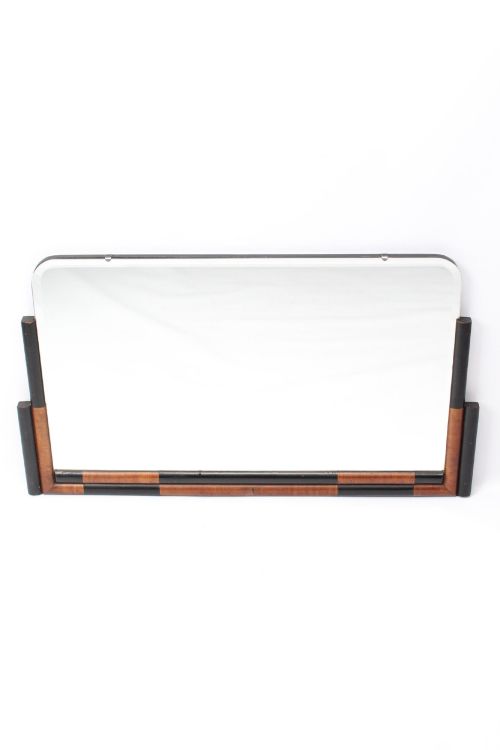
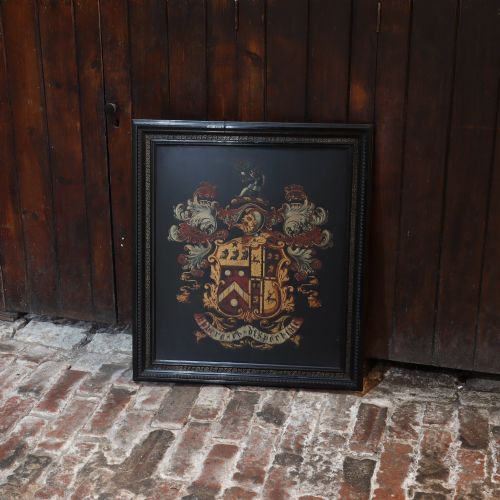
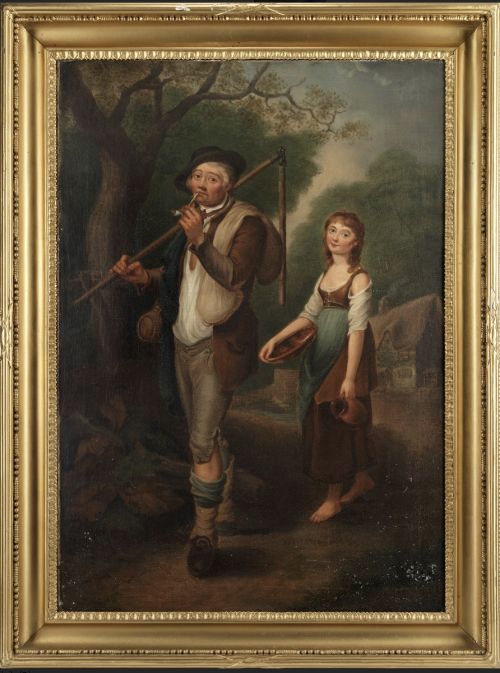
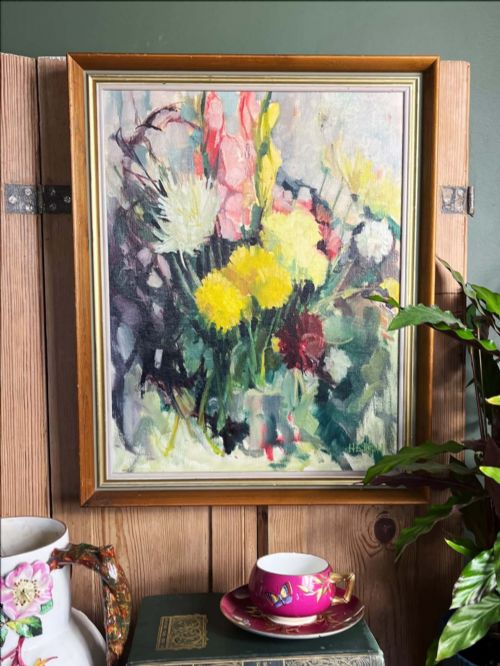
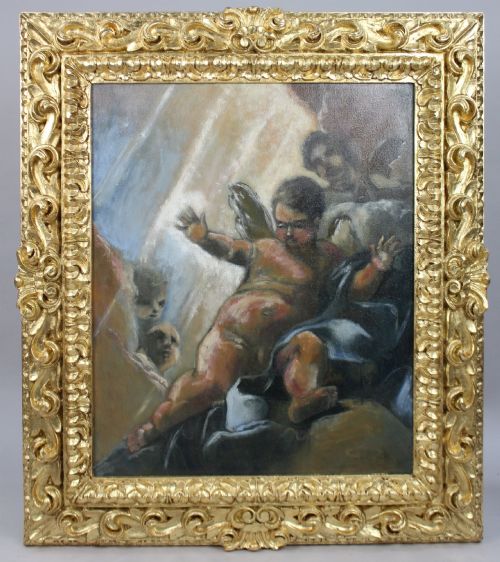
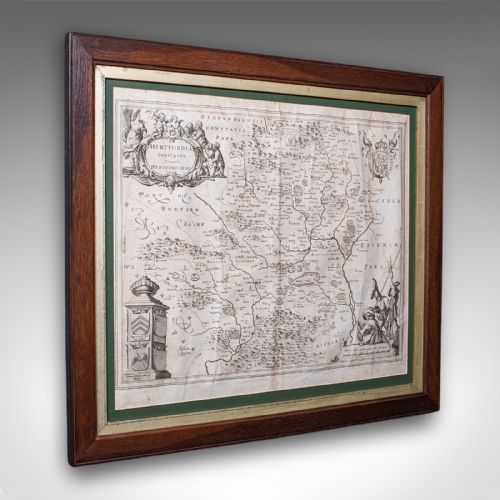
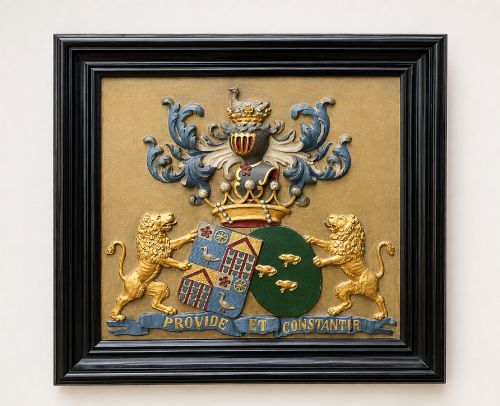
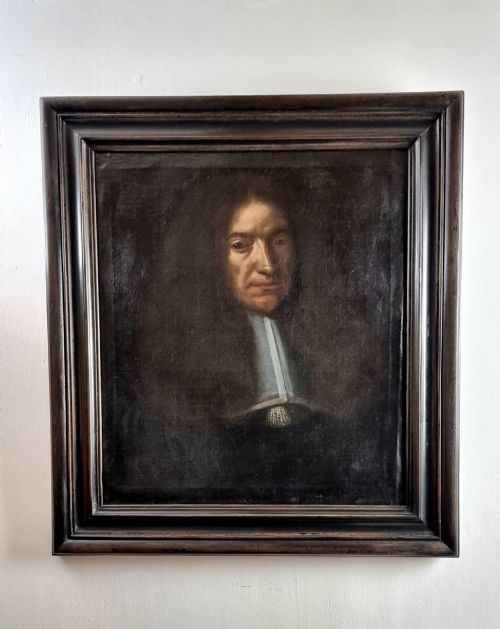
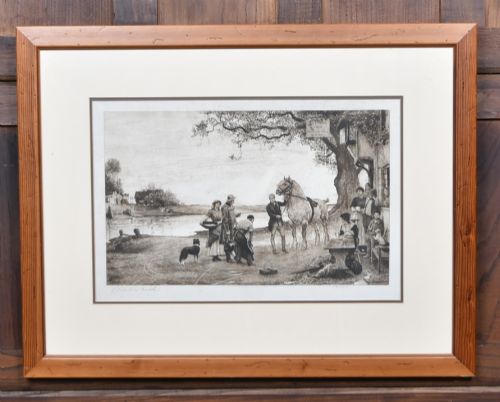
When you search for wooden framed wall art, you encounter a diverse selection of pieces spanning from the 17th century through to the mid-20th century. The inventory on this page consists principally of oil paintings, watercolours, engravings, maps, mirrors and heraldic panels. Most items date from the 19th century or the Edwardian and Art Deco periods, reflecting traditional craftsmanship.
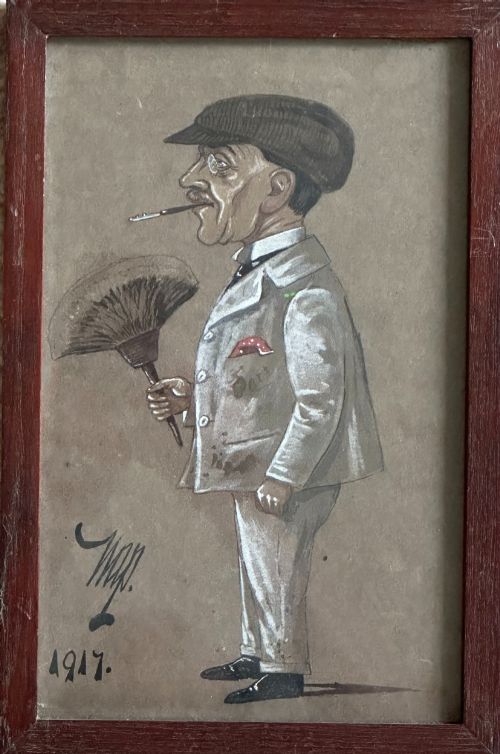
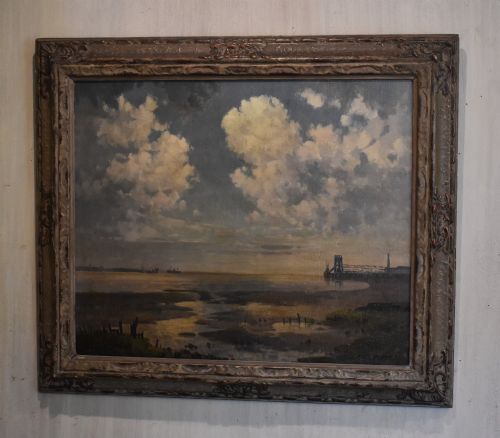
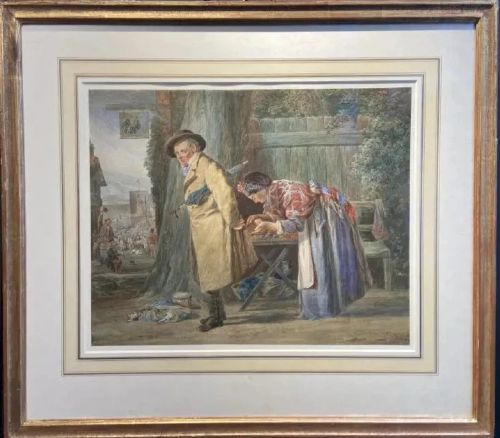
The wooden frames themselves are integral to these pieces, ranging from carved giltwood and ebonised walnut to simple oak surrounds. You will find works executed in oil paint, watercolour, ink wash and gouache, alongside printed works like chromolithographs and photogravures. Subjects stretch from coastal marine scenes and portraits to cartography and caricatures.
Materials and construction methods
Makers utilised various timbers such as oak, walnut and ebonised wood to construct the surrounds, often applying carved details, gilding or painted finishes. Canvases, paper, board and glass serve as the primary supports for the oils, watercolours, engravings and mirrors held within these wooden structures.
Artisans applied media including oil paint, watercolour, ink and gouache by hand, while printmakers employed techniques such as etching, lithography and photogravure. Frames were joined using period-appropriate methods to support heavy glass, canvas or wooden panels securely.
Pugs and cats share wall space with stately ships and judges.
Factors determining the calibre of pieces
Quality rests heavily on the harmony between the artwork and its wooden frame, particularly where original or period-matching surrounds remain intact. Hand-carved giltwood or detailed ebonised mouldings demonstrate superior craftsmanship compared to simpler secondary framing.
The execution of the painted, drawn or printed surface defines the primary tier of the work. Finely detailed brushwork in oil or precise line work in early engravings distinguishes superior examples from standard decorative pieces.
John Hassall·Thomas Barker of Bath·Blaeu·Robert W Macbeth·Joseph H Barnes·Herbert Gustave Schmaltz·Horatio Henry Couldrey·David Roberts·Louis Haghe
The Wooden Framed Wall Art Glossary
- Chromolithography
- A planographic colour printing process used to produce multi-coloured images. It relies on multiple lithographic stones, one for each colour.
- Ebonised
- Wood finished to resemble ebony through staining or painting. This dark surface appears frequently on Victorian and Art Deco frames.
- Giltwood
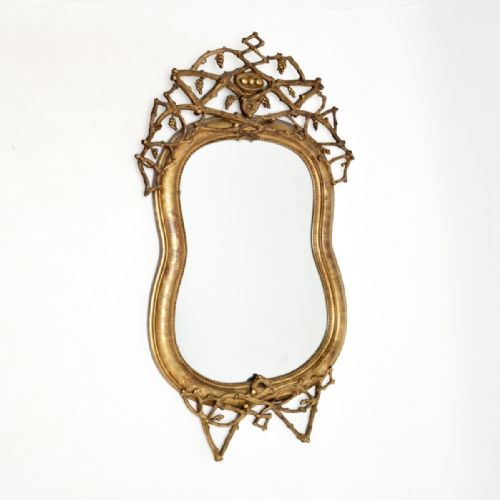
- Timber coated with gold leaf or a gold-coloured metallic finish. It provides a bright, reflective border for oil paintings and mirrors.
- Photogravure
- A printmaking process that produces photographic images with continuous tones. It transfers a photographic negative onto a copper plate for printing.
- Diorama
- A three-dimensional scene enclosed in a box, often depicting ships with layered sails and painted backgrounds. These frequently feature wooden housing and glass fronts.
Wooden Framed Wall Art: Frequently Asked Questions
What periods do these pieces cover?
The selection spans from the 17th century through to the mid-20th century, encompassing Georgian, Victorian, Edwardian and Art Deco eras. You will find works created across several centuries of British and European craftsmanship.
Each period brings distinct stylistic traits to both the artwork and the surrounding wooden frame. Dating relies on the materials, artistic techniques and construction methods recorded in each listing.
What types of media are used?
The artworks utilise a broad range of media, including oil paint on canvas or board, watercolour, pen, ink, wash and gouache. Printed and photographic formats like engravings, lithographs and photogravures also appear.
Support materials vary from paper and canvas to wood panels and glass for mirrors. Each medium requires specific handling and framing to preserve the surface over time.
How do I hang a heavy wooden framed piece?
Heavy pieces, such as large oil paintings, oak mirrors and dioramas, require secure wall fixings suited to the weight of the timber and glass. Using appropriate wall plugs and screws distributed across sturdy mounting points ensures stability.
Consulting a professional framer or using heavy-duty picture wire and brackets rated for the specific weight prevents strain on the original frame joints.