




Expressionist Figure Oil Painting
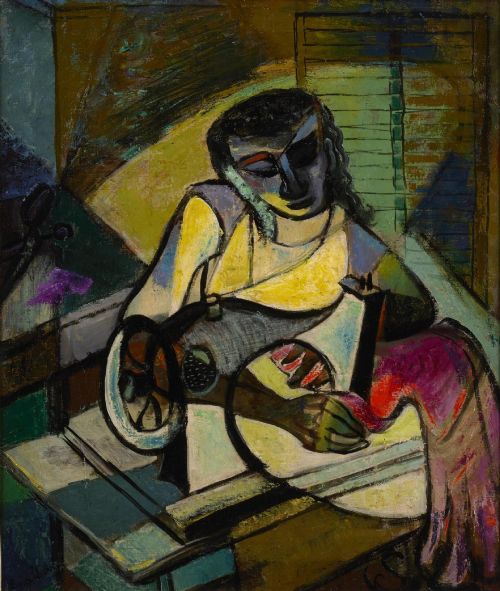
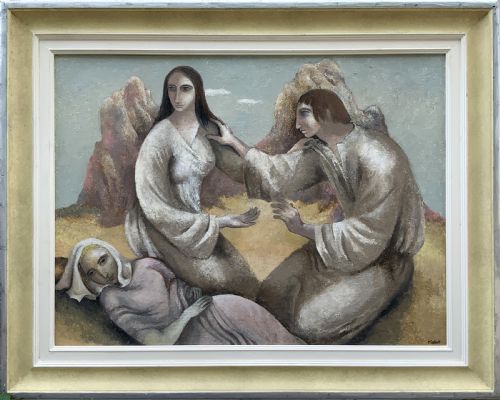
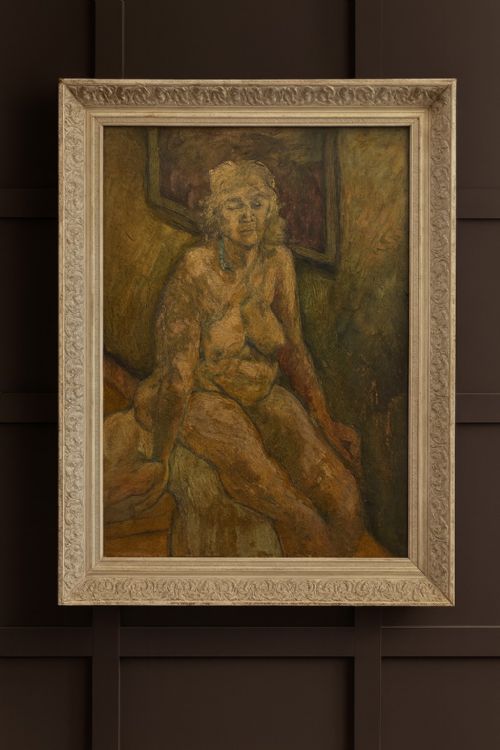
An expressionist figure oil painting delivers raw psychological weight through heavy brushwork and intense colour palettes.
Expressionist Figure Oil Painting
When searching for an expressionist figure oil painting, buyers encounter dynamic portraits and nude studies executed during the middle decades of the twentieth century. These works capture human forms through distorted perspectives and energetic brushstrokes rather than academic realism.
The pieces available span from the nineteen-twenties through to the nineteen-sixties, reflecting modernist developments across Britain, France, and Sweden. Reclining and seated nudes dominate the selection, often rendered in bold oil pigments on canvas or board.
Makers in this category range from continental avant-garde figures to British modernists working within established expressionist traditions. Buyers primarily acquire these paintings to introduce strong emotional resonance and mid-century character to domestic interiors.
Materials and construction
Artists working in this genre relied on oil paint applied thickly to surfaces such as stretched canvas, wooden board, or heavy paper. This medium allowed for extended working times and built up textured impasto layers that catch the light.
Support materials varied according to period availability, with many mid-century painters utilising canvas or laying paper directly onto board for stability. Brushwork and palette knife application served as the primary tools for building form and emotional intensity.
The selection includes British and continental European artists working in mid-century modernism, cubism, and expressionism.
Judging quality in expressionist works
Quality rests upon the confidence of the brushwork and the artist's command over composition and colour relationships. Superior examples display purposeful distortion that heightens the psychological impact of the subject rather than random application.
The handling of the medium distinguishes exceptional pieces, where thick impasto and tonal contrast create depth within the figurative space. Works that maintain structural integrity amid expressive freedom represent the pinnacle of the genre.
Lena Gurr·Christine Nesbit·Tony Giles·Gaetan Dumas·Peter Jackson·Jean Hippolyte Marchand·Pinchus Kremegne·Yetta Kane·Kenneth B Malpass·Raymond Arthur Roadnight·Bernard Meninsky
The Expressionist Figure Oil Painting Glossary
- Impasto
- Paint applied thickly to a canvas or board, standing out in relief from the surface. This technique allows the physical marks of the brush or palette knife to remain visible.
- Chiaroscuro
- Strong contrast between light and dark within a painting. Artists utilise this method to dramatise the form of the figure.
- Avant-garde
- Works that are experimental or innovative, pushing the boundaries of traditional artistic norms. These pieces often reflect radical shifts in early twentieth-century modernism.
- Fauve
- A style characterised by violently contrasting colours and bold brushwork. Originating in France, it prioritised painterly qualities over realistic representation.
Expressionist Figure Oil Painting: Frequently Asked Questions
What defines an expressionist figure painting?
These works prioritise emotional expression and psychological depth over realistic anatomy. Artists use exaggerated forms and bold brushwork to convey inner states.
Subjects frequently include nudes, portraits, and domestic scenes rendered with visible texture and distinctive palettes.
How should I care for oil paintings on canvas?
Keep paintings away from direct sunlight and fluctuating humidity levels to protect the canvas and oil pigments. Dust the surface gently with a soft, dry brush.
Avoid using water or chemical cleaners on the paint layer. Professional framing helps maintain structural stability over time.
How do I identify mid-century modernist works?
Look for stylistic markers such as simplified forms, flattened perspective, and non-naturalistic colour choices. The period spans from the nineteen-twenties through the nineteen-sixties.
Materials like artist boards and specific framing styles often provide additional chronological context.
Where were these expressionist pieces created?
The works originate from artistic hubs across Europe, with strong representation from British, French, and Swedish studios. Artists frequently travelled or exhibited within international modernist circles.
This cross-pollination of ideas shaped the diverse approaches seen in mid-century figure painting.