



Vintage Figural Oil Painting
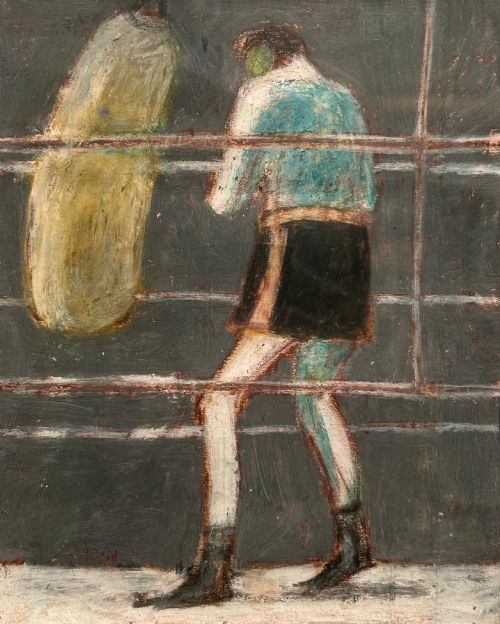
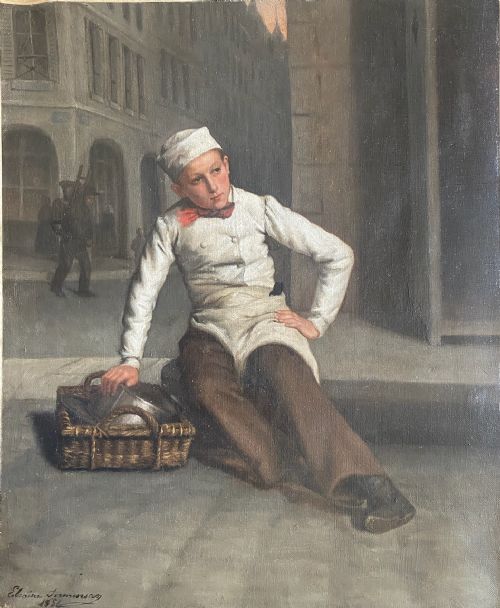
These vintage figural oil painting examples capture human form and character across the nineteenth and twentieth centuries.
Vintage Figural Oil Painting
A vintage figural oil painting represents people, ranging from formal portraits of elegant ladies and ballerinas to intimate scenes of workers and bathers. These works appear in varied forms such as portraits, still lifes with figures, and narrative compositions.
The pieces on this page span several decades and artistic movements, originating from periods like the Edwardian era, the nineteenth century, and mid-century modernism. British and French artistic traditions dominate the selection, showing distinct regional approaches to human subjects.
Buyers encounter diverse stylistic expressions, including French Art Deco, Fauvism, French Realism, and Modern British painting. Each work utilises oil paint on supports like canvas, board, and wood, often set within period frames.
Materials and construction
Makers built these works primarily using oil paint applied to prepared canvas or wooden board. This traditional combination allowed artists to build up rich textures, blend tones smoothly, and create depth within the human figure.
Many of these paintings retain their original wooden surrounds, frequently finished with gilt moulding to complement the composition. The physical support often bears the marks of age, such as stretcher impressions or artist stamps that reveal its origin.
Vintage Figural Oil Painting Retail Price Guide 2026
Typical asking prices for vintage figural oil painting among the pieces listed under this phrase on Sellingantiques today, from the lower quarter to the upper quarter. They describe what is for sale here now, not the wider market.
Listings here feature oil paintings on canvas and board spanning the nineteenth century through the mid-twentieth century.
Understanding quality in figural works
Quality rests in the artist's handling of anatomy, light, and presence rather than the mere subject matter. Stronger works demonstrate confident brushwork and an assured grasp of proportion that brings the painted figure to life.
The integration of the figure with its surrounding space distinguishes accomplished paintings from simpler decorative efforts. A well-executed piece balances the focal subject with atmospheric background detail, creating a cohesive visual statement.
Samuel Rabin·Georges Goursat·Phyllis Morgans·Noel Quintavalle
The Vintage Figural Oil Painting Glossary
- Canvas
- A heavy woven fabric stretched across a wooden frame to serve as a painting support. It provides a slightly textured surface that holds oil pigment securely over decades.
- Fauvism
- An early twentieth-century style characterised by bold, unblended colours and expressive brushwork. Painters working in this manner prioritized emotional resonance over strict optical realism.
- Gilt moulding
- A wooden frame profile coated with a thin layer of gold leaf or metallic paint. These surrounds often date to the same period as the canvas they enclose.
- Salon
- An official art exhibition sponsored by an academy, particularly in nineteenth-century Paris. Showing work in such an exhibition often established an artist's professional standing.
- Trompe-l'œil
- A technique that creates optical illusions of three-dimensional space on a flat surface. This approach tricks the eye into perceiving painted objects as physical realities.
Vintage Figural Oil Painting: Frequently Asked Questions
How do I date a vintage figural oil painting?
Dating relies on stylistic clues, stretcher construction, and materials like canvas or board. Signatures, exhibition labels, and framing details also offer reliable chronological markers.
Examining the reverse of the painting often reveals inscriptions, stamps, or labels that help narrow down the decade of creation.
Where should I hang a figural oil painting?
These works suit reception rooms, studies, or hallways where lighting can be controlled to prevent glare on the oil surface. Placing them away from direct sunlight protects the pigments from fading.
Pairing the frame style with existing interior woodwork helps the painting integrate naturally into a room.
What is the difference between canvas and board supports?
Canvas offers a flexible, textured surface stretched over a wooden frame, which was standard for larger works. Board provides a rigid, flat wooden or composite support often used for smaller or more spontaneous studies.
Both materials have supported oil painting for centuries, though board pieces require less maintenance regarding tension.