
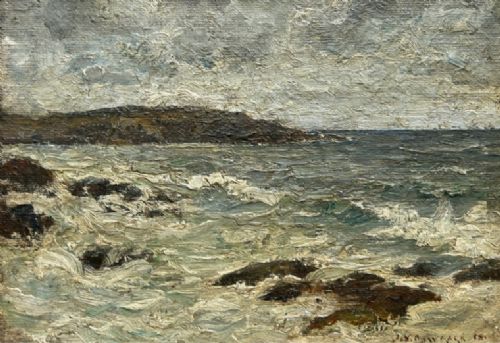
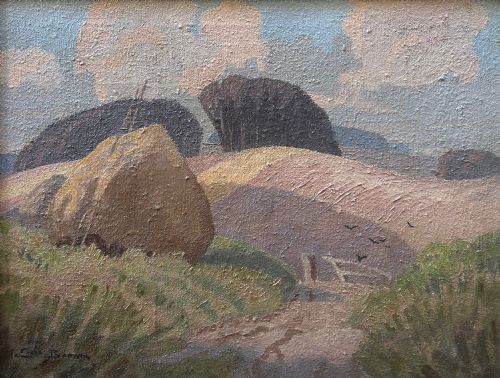
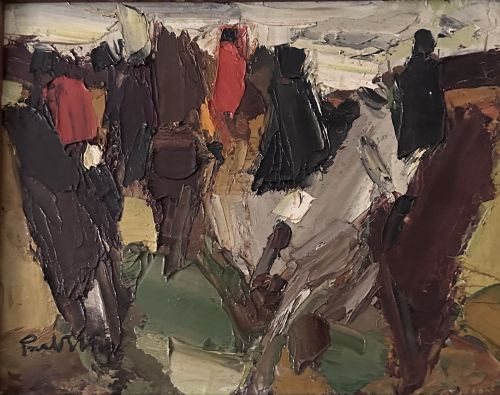


Textured Impasto Oil Canvas
These textured impasto oil canvas works bring heavy paint and tactile depth to walls, offering bold visual weight that flat prints simply cannot match.
Textured Impasto Oil Canvas
A textured impasto oil canvas brings thick, raised layers of pigment to the surface, creating a physical relief that catches light and shadow. When you search for textured impasto oil canvas, you encounter works spanning the decades from the 1920s through the 1960s.
The selections here showcase a variety of subjects ranging from coastal seascapes and marine views to abstract cityscapes and still lifes. Mid-century modern and expressionist approaches dominate the visual language of these pieces.
Most examples appear framed in wood or gilt wood, complementing the heavy application of oil paint. Origin points include British, French, and Haitian hands, each bringing distinct regional palettes to the canvas and board supports.
What Varies in Quality
The dexterity of the brushwork and the handling of the palette knife dictate the visual energy of the surface relief. Stronger examples use the physical thickness of the pigment to define form and light rather than merely coating the support.
The integration of the frame with the painting affects the overall presentation, particularly when gilt wood or custom wood surrounds are used. Provenance and attribution to named artists also shift the standing of individual works within this group.
Listings feature works created on canvas and board supports, utilising oil paint alongside wood frames.
Eric Brown·Elisabeth Bardon·Helen Layfield Bradley·Jeffrey Pratt·Ernst Louizor·William Ernst Burwell
The Textured Impasto Oil Canvas Glossary
- Impasto
- Paint laid on an area of the surface in very thick layers, usually thick enough that the brush or painting-knife strokes are visible. When dry, impasto provides texture, the paint standing out from the canvas.
- Expressionism
- A modernist movement originating in Germany that sought to present the world solely from a subjective perspective, radically distorting it for emotional effect. Works in this style often employ aggressive brushwork and intense colour.
- Post-Impressionism
- A predominantly French art movement that developed out of Impressionism between 1886 and 1905, extending its limitations while refusing its limitations. Artists reject visual naturalism in favour of structure and symbolic content.
- Gilt wood
- Wood that has been treated with a thin layer of gold leaf or gilt paint for decorative effect. Frames finished this way frequently accompany mid-century canvases.
Textured Impasto Oil Canvas: Frequently Asked Questions
How do I clean a textured impasto oil canvas?
Dust accumulation presents the main challenge with heavy paint relief because particles settle in the deep crevices of the surface. A soft, dry brush gently sweeps away loose debris without disturbing the dried oil pigment.
Water and liquid cleaning agents must remain far away from these surfaces. Professional conservators should handle any deeper grime or discoloration on older canvas supports.
Are these paintings supplied with frames?
Many listings feature dedicated wood or gilt wood frames that complement the era of the artwork. These surrounds protect the delicate edges of the canvas and complete the presentation of the wall art.
Individual pieces sometimes ship unframed, requiring the buyer to source a suitable wooden mount independently. Checking the specific listing details confirms whether the frame accompanies the purchase.
What periods do these paintings come from?
The works available span several decades from the early to mid-twentieth century. Pieces date from the 1920s through the 1960s, capturing shifts in modernist and expressionist painting.
Mid-century modern and post-impressionist styles heavily influence the mid-century selections. Dates often appear in the title or documented artist history accompanying the piece.
How should I hang heavy oil paintings?
Thick impasto works combined with wooden frames carry substantial weight that requires secure wall fixings. Wall plugs and appropriate picture hooks matched to the weight of the frame ensure stable placement.
Direct sunlight and damp environments should be avoided to protect both the canvas support and the oil paint layers. Stable indoor temperatures prevent the wood frame and canvas from warping over time.