


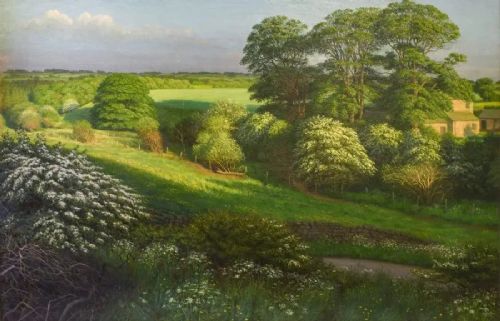
British Fine Art Landscape
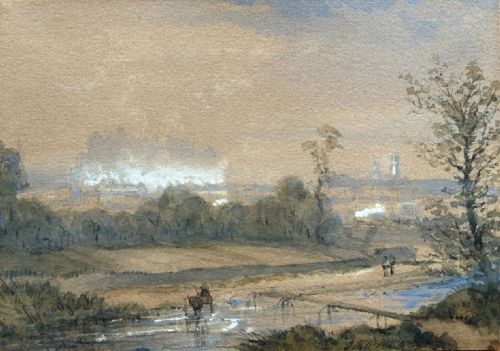
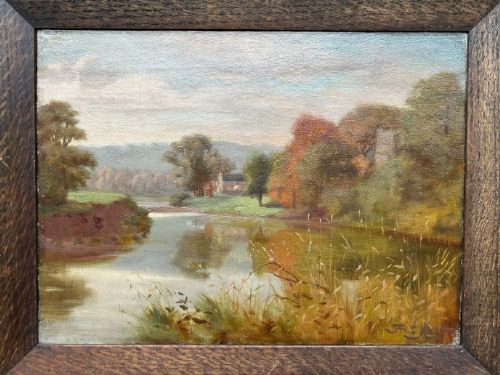
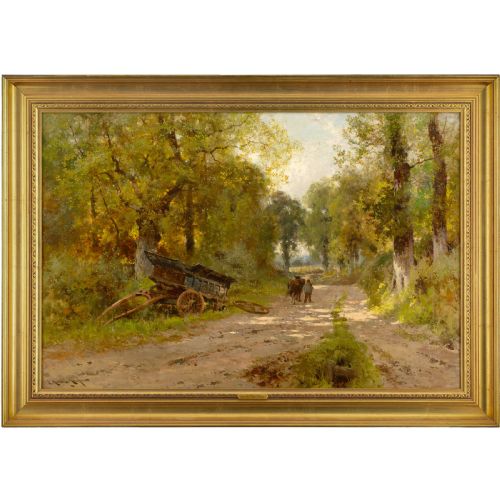
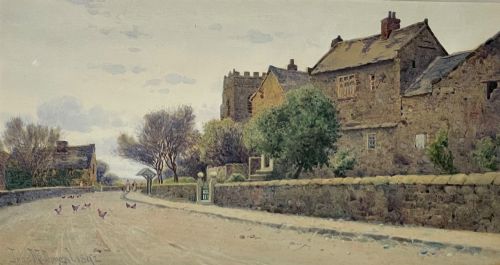
British fine art landscape works capture the changing light of the countryside, offering buyers a window into historic rural scenes through oil and watercolour.
What these pieces are
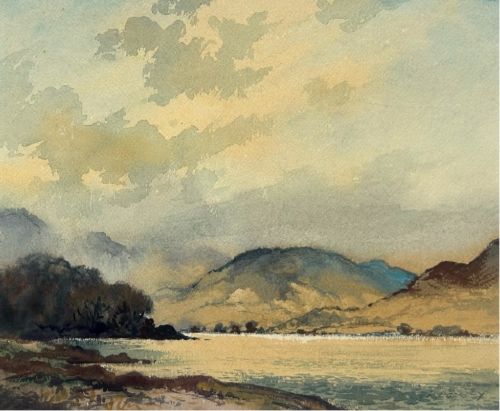
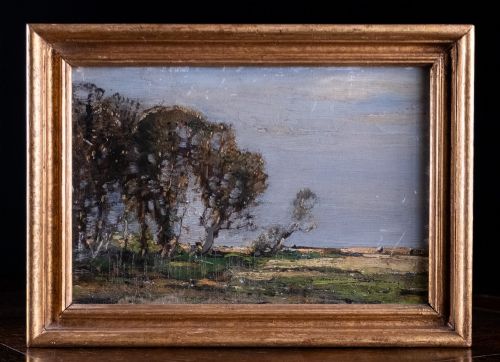
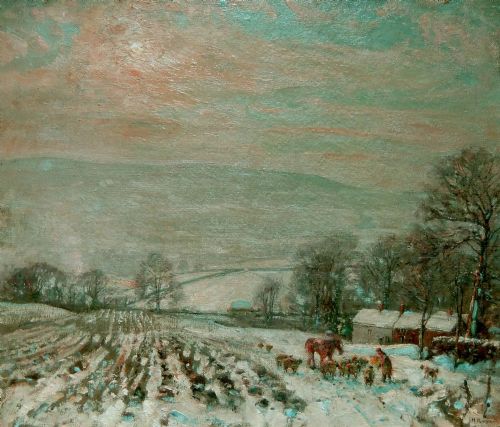
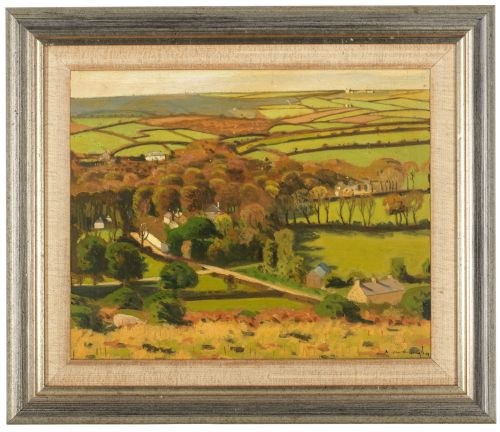
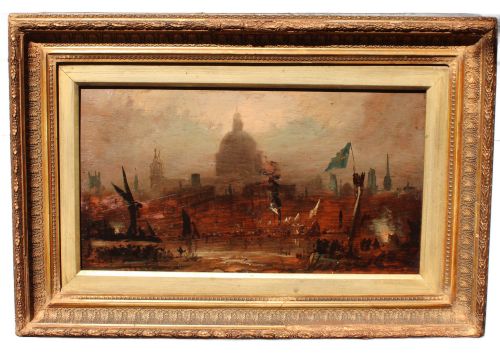
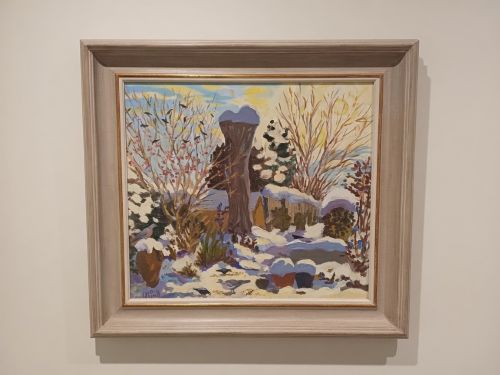
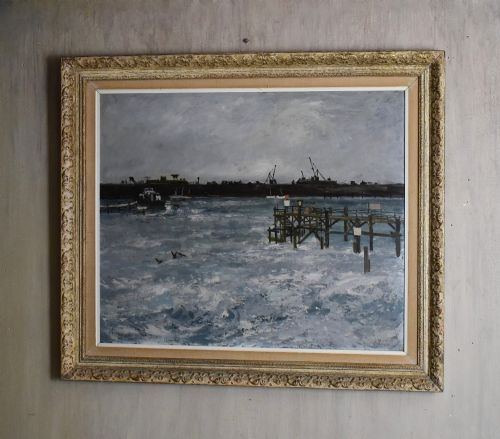
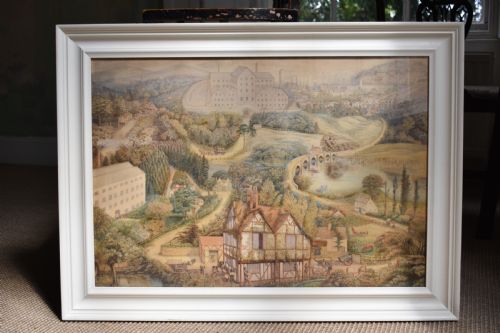
When you search for british fine art landscape, you encounter works spanning the nineteenth and twentieth centuries, created by regional and national painters. These pieces record rural views, coastal bays, and upland pastures across Britain.
You are most likely to meet oil paintings and watercolour paintings on this page, reflecting styles from the Norwich School and Victorian era through to British Impressionism and Modern British movements.
The subjects range from tranquil river valleys to dramatic mountain waters, capturing the topography and rural life of past decades.
How they were made
Artists painted these landscapes using oil paint or watercolour pigment applied to traditional supports such as canvas, paper, board, and wood. Each medium allowed the painter to capture specific atmospheric effects, from heavy impasto oils to translucent washes.
The physical structure of these works relies on sound preparation of the ground, whether stretching canvas over wooden frames or mounting heavy watercolour paper. Frame construction often matches the period of the artwork, completing the piece.
Retail Price Guide 2026
Typical UK retail prices for british fine art landscape, calculated from the Sellingantiques database of over a million retail prices indexed since 2003. This retail price guide relies exclusively on Sellingantiques data; no external sources or auction records are used, so the figures do not describe the wider market.
Commonly encountered materials in these paintings include canvas, board, wood, paper, oil paint, and watercolour.
What varies in quality
Quality in these landscapes rests upon the artist's handling of light, atmosphere, and composition within the chosen medium. Works that demonstrate a confident command of colour and brushwork stand apart from more rigid topographical recordings.
The strength of provenance and the clarity of the artist's signature also influence the standing of a piece. Finer examples retain their original surface vibrancy and structural integrity across canvas and paper.
The British Fine Art Landscape Glossary
- Norwich School
- An early nineteenth-century regional art movement celebrating the Norfolk landscape. Its artists focused on local scenery and naturalism.
- British Impressionism
- A late nineteenth and early twentieth-century style influenced by French movements. It prioritises loose brushwork and the play of natural light.
- Watercolour Pigment
- Finely ground colour suspended in a water-soluble binder. It is applied in thin washes to paper to create luminous effects.
- Impasto
- Paint applied thickly to a canvas or board, leaving visible brush and knife marks. This technique adds tactile depth to the landscape.
- Modern British
- Art produced in Britain during the mid-twentieth century that embraces varied modernisms while retaining a connection to traditional subjects like the landscape.
Frequently Asked Questions
What periods do these landscapes cover?
The works span from the nineteenth century through to the mid-twentieth century, encompassing Victorian, Edwardian, and later Modern British periods.
This broad timeline allows collectors to trace the evolution of landscape painting across different artistic movements.
Which materials were commonly used?
Artists worked primarily with oil paint or watercolour pigment on supports including canvas, board, wood, and paper.
These materials determine the texture and preservation needs of each individual painting.
How do I care for a watercolour landscape?
Watercolour paintings require protection from direct sunlight to prevent the pigments from fading over time. Framing them behind conservation glass helps shield the paper and paint from environmental moisture.
Keeping them in stable indoor conditions ensures the longevity of both the support and the medium.
What subjects feature in these works?
Common subjects include pastoral harvest scenes, upland pastures, coastal bays, and dramatic lake views. Artists frequently depicted specific British locales, from Yorkshire valleys to Scottish islands.
These topographical details anchor the artwork in identifiable geographic settings.