





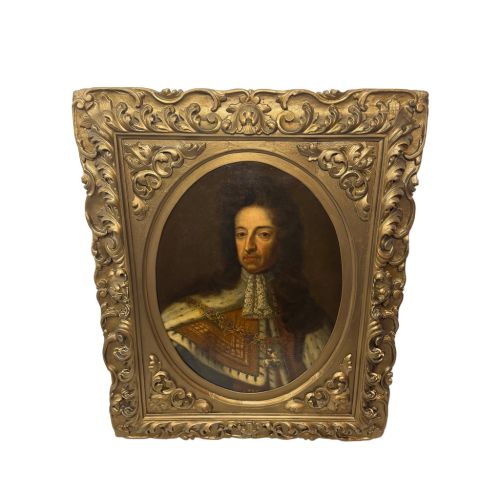


Carved Frame Oil Painting
A carved frame oil painting brings centuries of portraiture and landscape art into a room with the original woodwork designed to hold it.
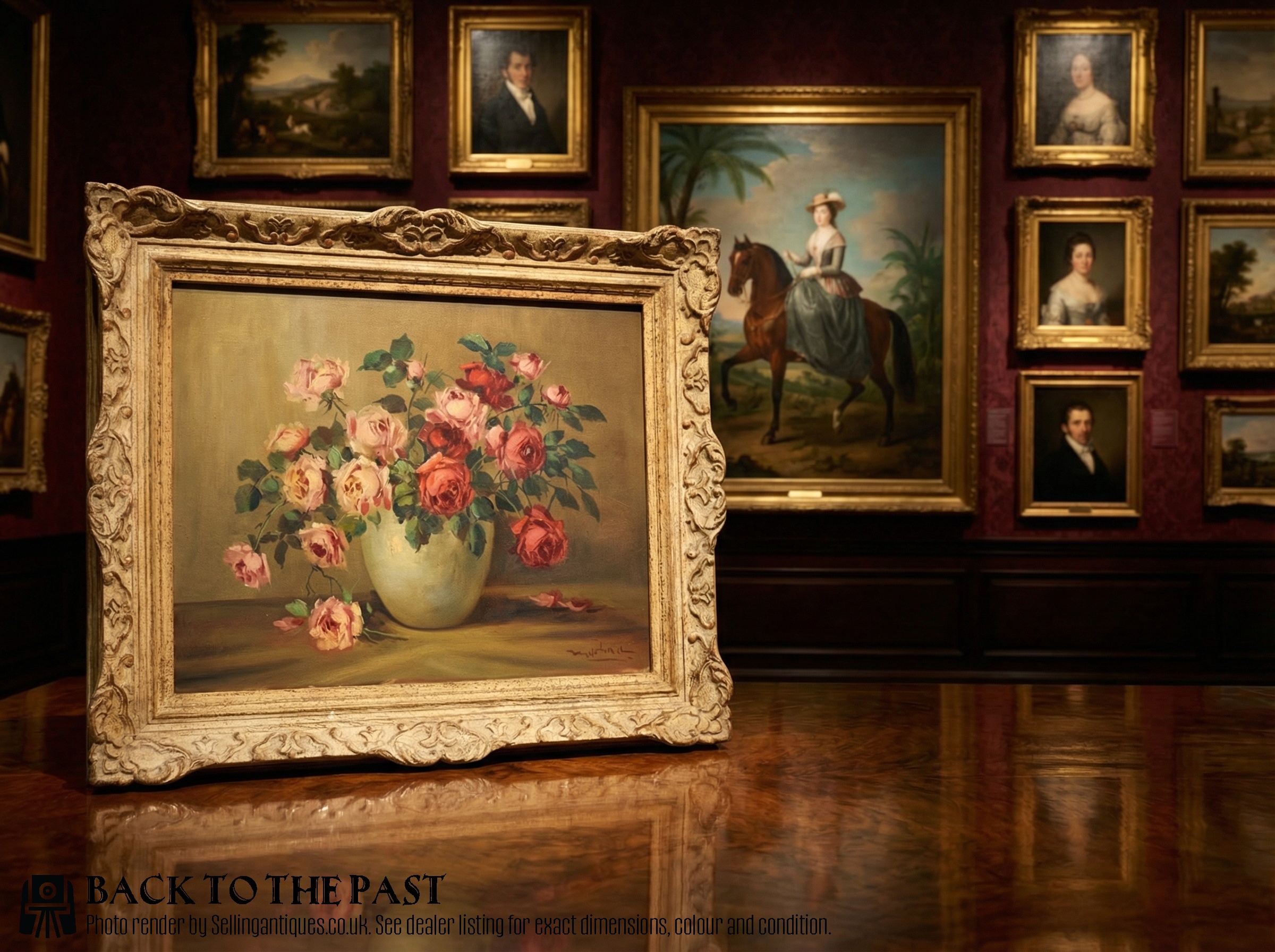
Carved Frame Oil Painting
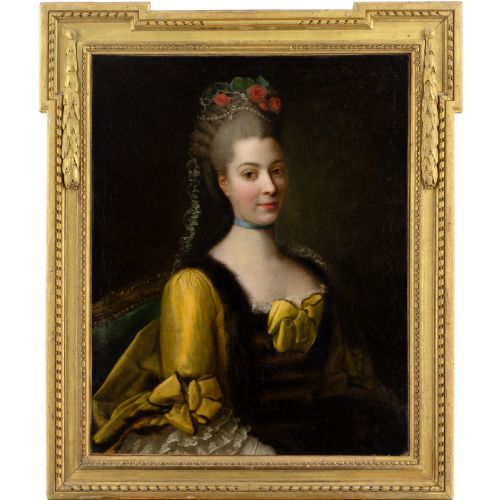
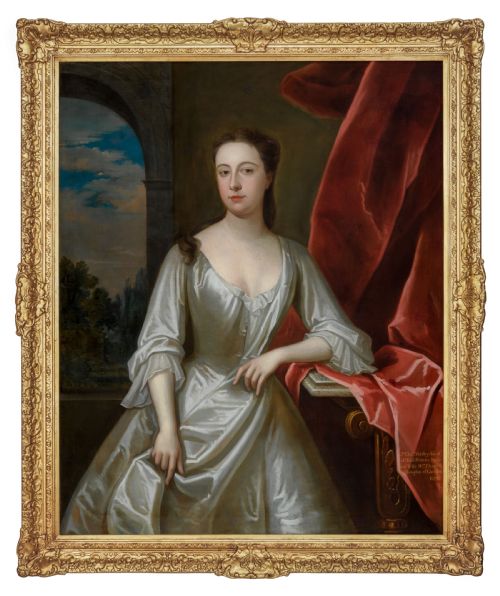
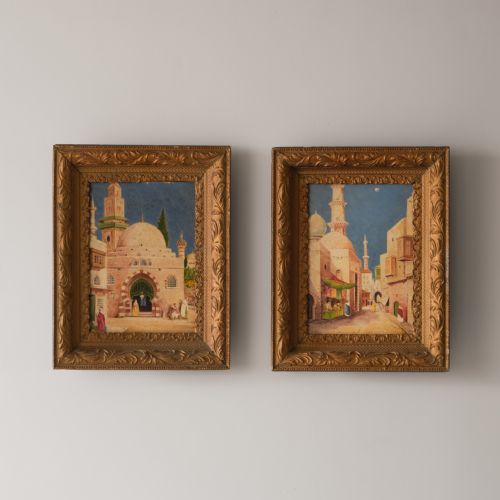
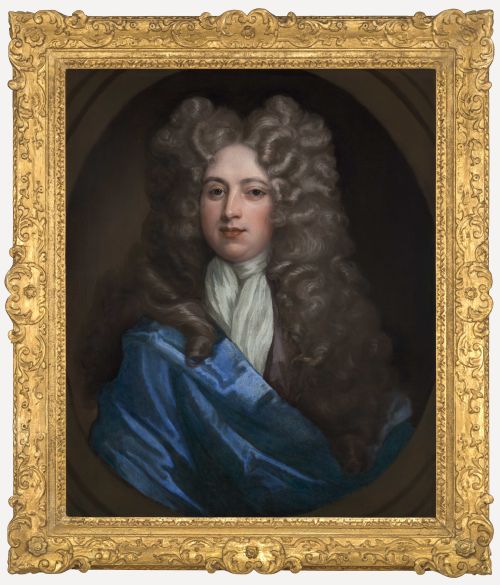
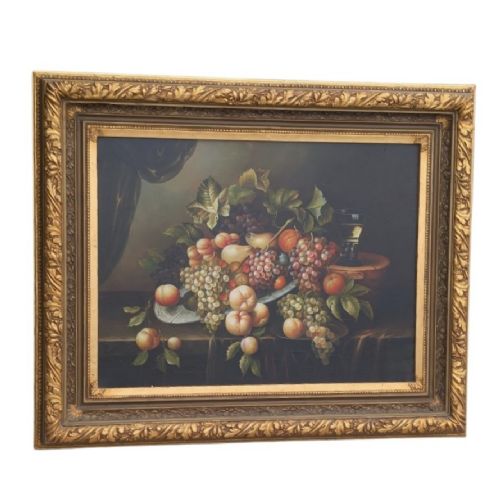
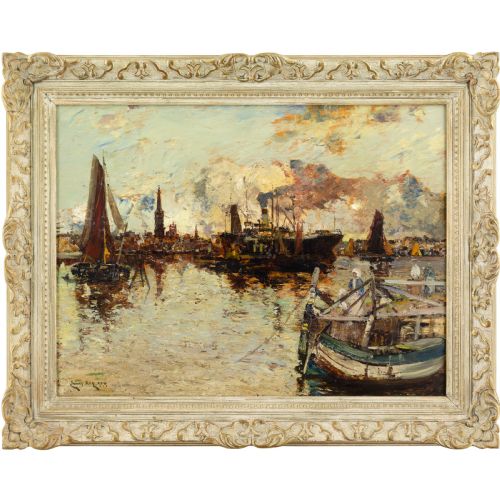
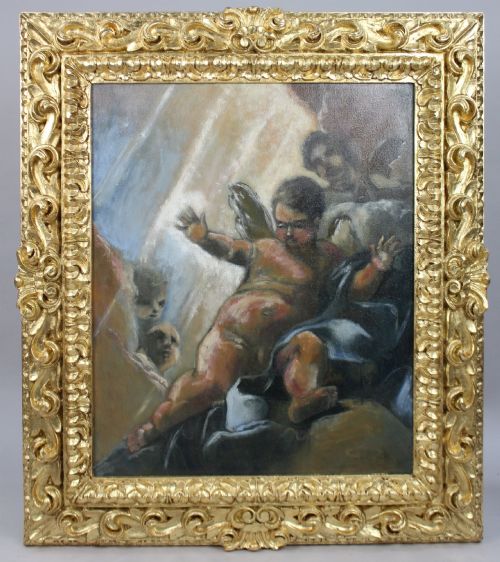
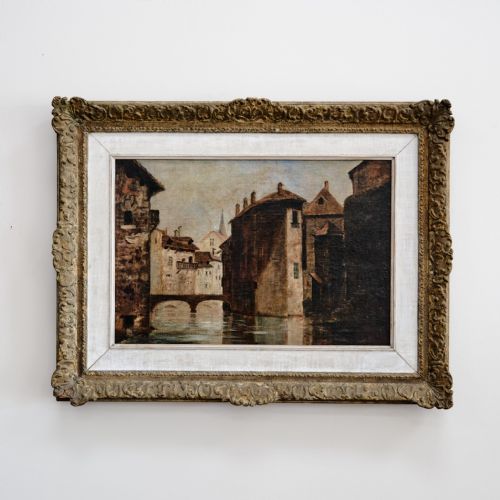
A carved frame oil painting combines canvas or board artworks with heavily ornamented wooden housings from periods spanning the sixteenth century to the mid-twentieth century. Buyers searching for a carved frame oil painting typically encounter historical portraits of gentlemen and ladies, alongside pastoral landscapes and religious subjects from English, French, Italian, and Dutch schools.
The selection ranges from sixteenth-century panels and seventeenth-century court portraits to Georgian and Victorian depictions, all retained within their period surrounds. These pieces function simultaneously as historical documents and decorative focal points for domestic interiors, preserving the aesthetic intentions of their original makers.
How They Were Made
Artists painted primarily with oil paint on stretched canvas, wooden panels, or milk glass, applying layers of pigment to build depth and luminosity. These canvases were then housed in timber frames shaped by hand.
Workers formed the frames using solid wood, gesso, and gold leaf, carving intricate patterns and gilding the surfaces to complement the artwork within. The interaction between the oil medium and the hand-finished wooden surround defines the physical structure of these works.
Carved Frame Oil Painting Retail Price Guide 2026
Typical asking prices for carved frame oil painting among the pieces listed under this phrase on Sellingantiques today, from the lower quarter to the upper quarter. They describe what is for sale here now, not the wider market.
Several portraits capture subjects accompanied by unexpected companions, including a pet monkey and a privateer.
What Varies in Quality
Quality in a carved frame oil painting depends upon the fidelity of the brushwork and the depth of the hand-carving on the surround. Finer examples display meticulous anatomical detail in portraiture or subtle atmospheric light in landscapes, paired with crisp, deeply undercut woodwork rather than shallow moulding.
The relationship between the painting and its frame also dictates the standing of the piece. Works retaining their original period gesso and giltwood frames hold greater historical integrity than those matched with later replacements.
Sir Godfrey Kneller·Thomas Murray·Benjamin Barker of Bath·John Michael Wright·Thomas Hudson·Nicolaes Maes·Sir Joshua Reynolds
The Carved Frame Oil Painting Glossary
- Giltwood
- Wood that has been coated with a thin layer of gold leaf. This finish gives frames a bright, reflective surface that catches natural light in a room.
- Gesso
- A plaster-like mixture applied to wooden frames as a base for gilding. It allows craftsmen to carve intricate relief patterns before applying gold leaf.
- Oil on Canvas
- Pigments bound in an oil medium applied to a woven fabric support. This combination permits subtle blending and long-lasting colour retention.
- Old Master
- A European artist of high skill working before the nineteenth century. These painters established foundational traditions in portrait and landscape composition.
- Baroque
- An artistic style from the seventeenth and early eighteenth centuries characterised by drama, rich detail, and deep ornamentation. Frames from this era often feature bold, dynamic carving.
Carved Frame Oil Painting: Frequently Asked Questions
How do I clean a carved wooden frame?
Dust the carved recesses gently with a soft, dry brush to prevent accumulation. Avoid using liquid cleaners or commercial polishes, as moisture damages old gesso and gold leaf.
Inspect the gilding periodically for flaking. Professional conservators should handle any repairs to the wooden structure.
How should I hang an oil painting?
Support the weight of the piece securely using appropriate wall fixings rated for heavy wooden frames. Hang the painting away from direct sunlight and strong heat sources to protect the canvas and paint layers.
Maintain stable room humidity to prevent the wooden panel or canvas stretcher from warping over time.
What does school mean in an art title?
A school refers to a group of artists working within a specific region and period who shared stylistic methods. An English School attribution points to techniques typical of British portraiture from that era.
This classification helps historians group works when the exact individual artist remains unrecorded.