





Oval Photo Frame
An oval photo frame turns a cherished family portrait into a studied ornament, bringing warmth and character to any mantelpiece.
Oval Photo Frame
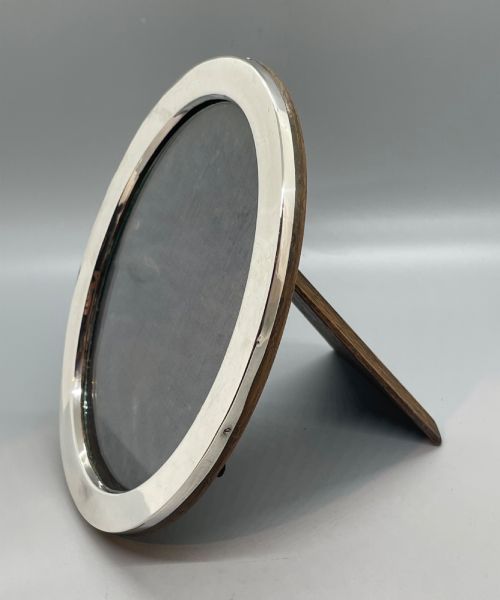
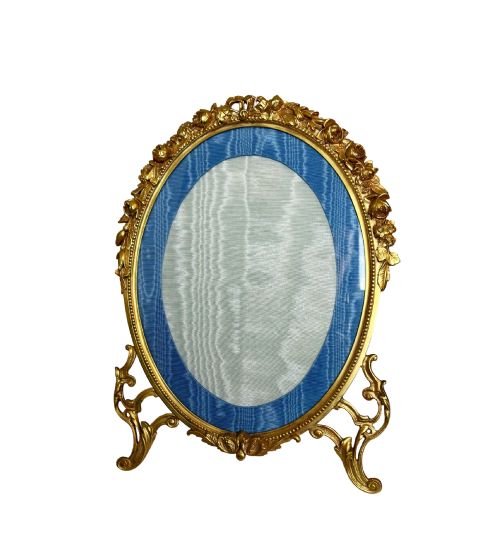
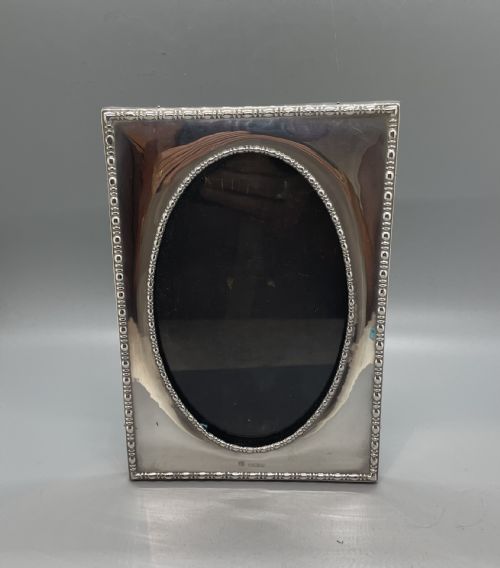
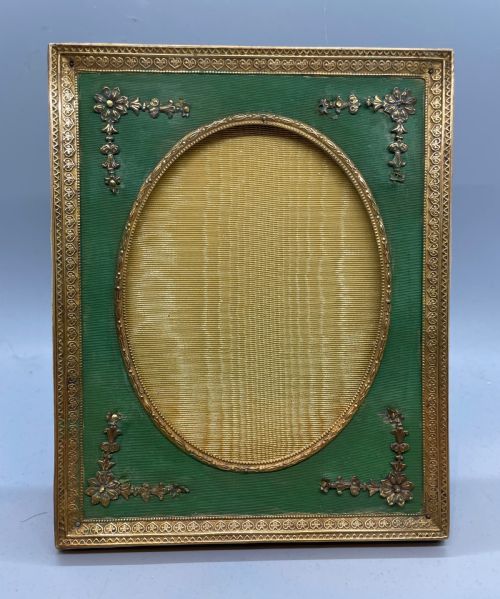
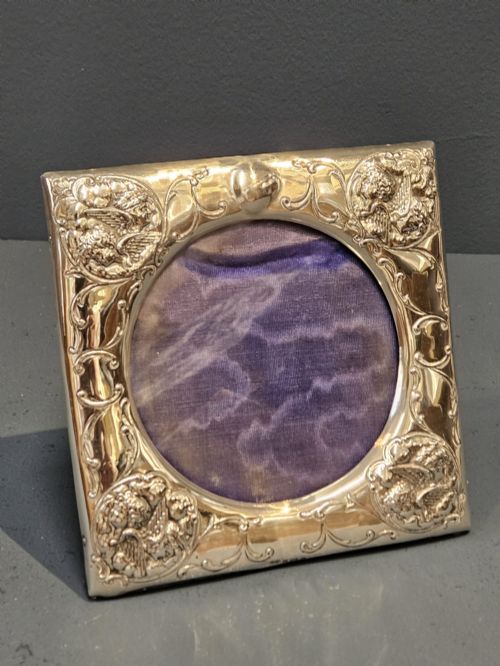
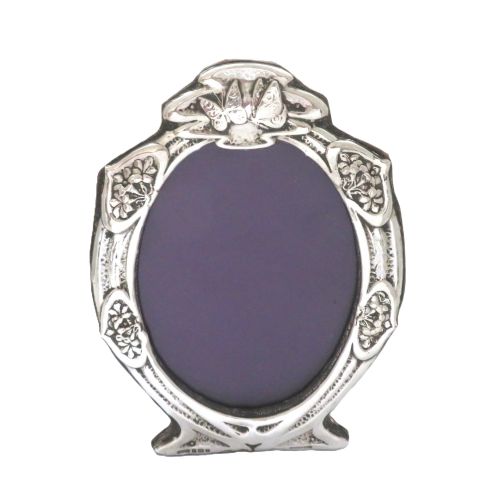
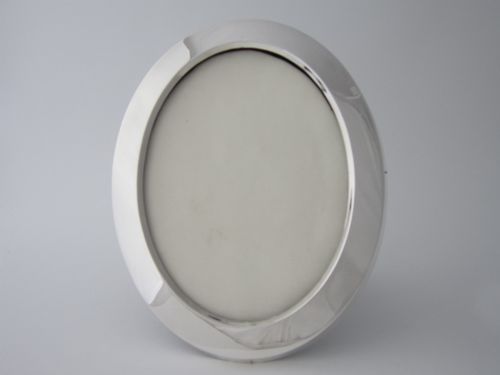
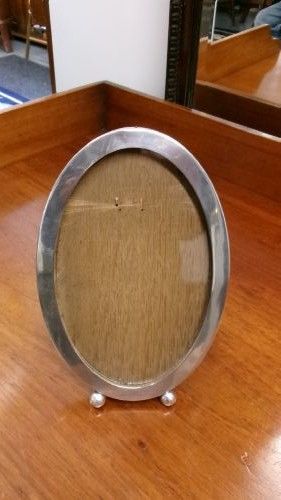
An oval photo frame serves to enclose and display portrait miniatures, photographs, and keepsakes with curved elegance. When you search for an oval photo frame, you encounter pieces designed to sit on surfaces or hang, typically featuring glazed apertures.
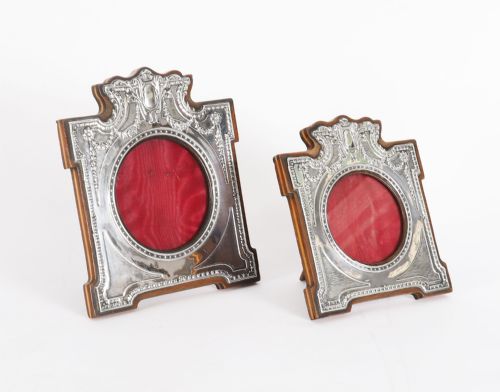
The versions met most frequently on this page date from the late Victorian, Edwardian, and George V periods, alongside later Art Deco iterations. Sterling silver mounts dominate the selection, often accompanied by brass, ormolu, and carved wood.
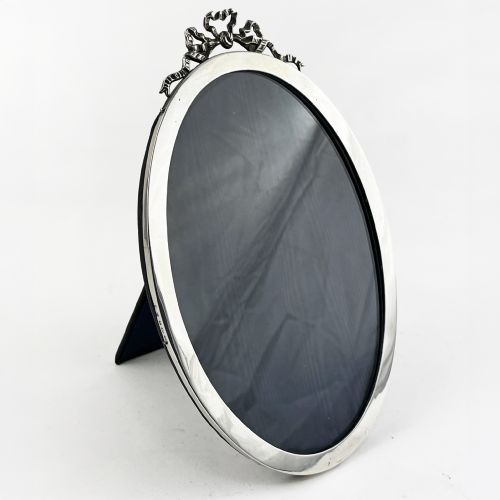
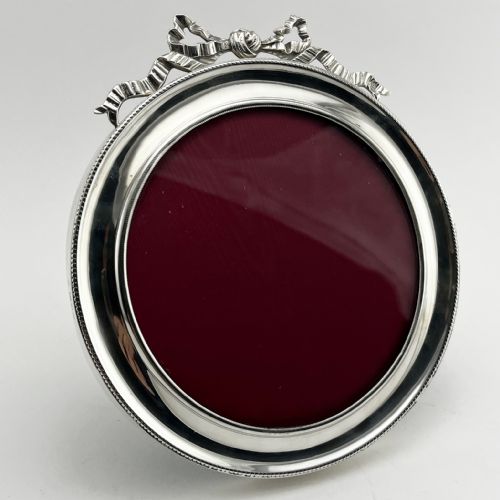
Originating predominantly from British silversmiths and continental European workshops, these objects range from simple, plain borders to ornate ribbon-topped designs.
Materials and Construction
Makers utilised sterling silver, brass, gilt bronze, and ormolu to construct the structural surrounds, frequently pairing them with glass fronts to protect the portraits within. Oak, velvet, and fabric typically form the backing materials, supported by built-in easel stands for stability.
Techniques varied from engine-turning and embossing to hand-carving and casting, allowing artisans to achieve intricate borders, floral motifs, and structural ribbons.
Oval Photo Frame Retail Price Guide 2026
Typical asking prices for oval photo frame among the pieces listed under this phrase on Sellingantiques today, from the lower quarter to the upper quarter. They describe what is for sale here now, not the wider market.
Listings feature sterling silver, brass, ormolu, and wood across Victorian, Edwardian, and George V periods.
Evaluating Craftsmanship
The distinction between tiers of quality lies in the depth of the metalwork, the crispness of hallmarks, and the integrity of the backing materials. Superior examples display substantial gauge metal, sharply defined embossed decoration, and intact original structural elements.
Lighter pressings, worn gilding, and replacement backings indicate lower manufacturing ambition or heavy subsequent use over the decades.
Mappin Bros·Emile Langlois·William Comyns·A J Zimmerman·J C Vickery
The Oval Photo Frame Glossary
- Engine-turned
- A mechanical decoration technique producing intricate geometric patterns etched into the metal surface.
- Ormolu
- Finely detailed gilded bronze or brass ornamentation popular in French and English decorative pieces.
- Easel back
- A hinged rear support leg allowing the frame to stand upright on a flat surface.
- Portrait miniature
- A small, highly detailed painting or photograph, often housed within a locket or small frame.
- Hallmark
- An official stamp indicating the metal purity, assay office, and year of manufacture.
Oval Photo Frame: Frequently Asked Questions
How do I date a silver photo frame?
Dating relies heavily upon the assay office marks and date letters stamped into the metal mount. Comparing the stylistic motifs, such as Edwardian ribbons or Art Deco geometry, offers a secondary guide.
Makers' marks further narrow the timeline when cross-referenced against historical registration records.
Were these frames meant for desks or walls?
Most surviving examples feature easel backs designed for upright placement on desks, tables, and mantelpieces. Some include hanging loops for wall display.
Convertible mechanisms also appear, allowing orientation in either landscape or portrait alignment.
What backing materials should I expect?
Original backs typically consist of wood, such as oak, covered in velvet or leather. These components secure the glass and photograph within the metal frame.
Many period pieces retain their original fabric-lined supports, though replacements remain common.
How do I distinguish Edwardian pieces from Victorian ones?
Victorian frames often display heavier, more ornate embossed decoration and deeper relief work. Edwardian pieces frequently lean towards lighter, airier motifs like bows, ribbons, and garland swags.
Assay office stamps provide the definitive confirmation of the exact year of creation.