


French Art Deco Frame
These pieces gather the distinct glass, wood, and metal borders that house portraits, prints, and mirrors from the early twentieth century.
French Art Deco Frame
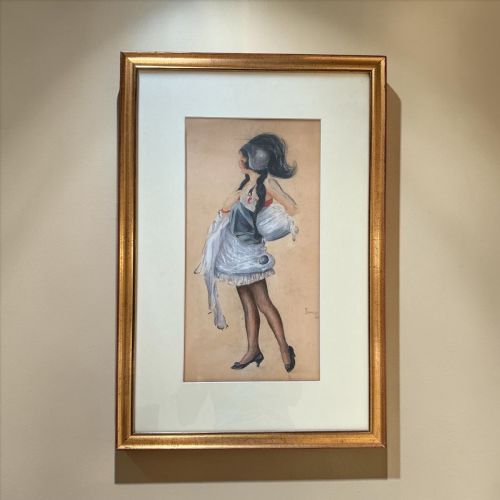
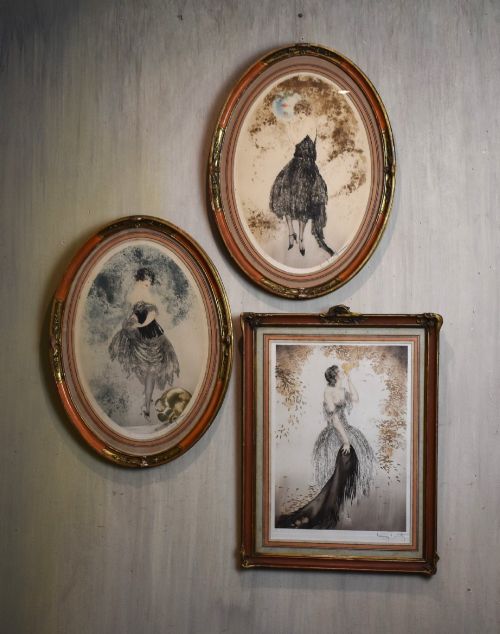
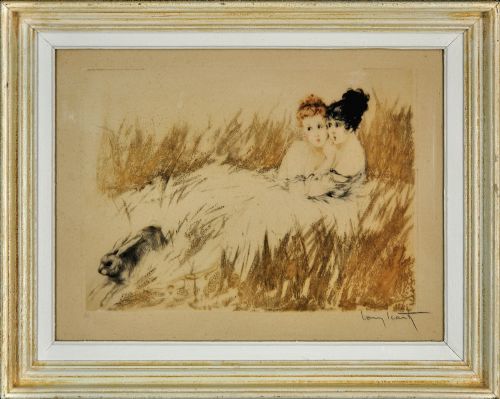
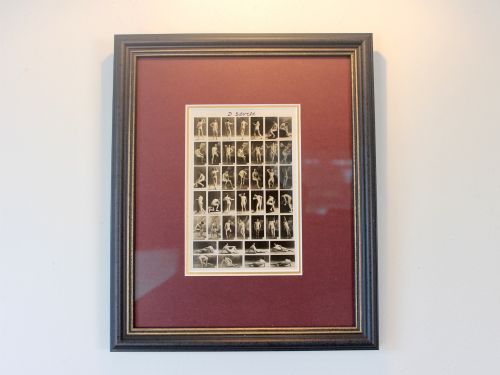
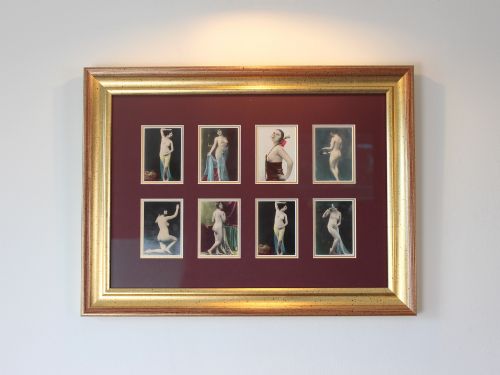
A french art deco frame surrounds works on paper, canvas, panels, and mirrors produced during the early twentieth century. These housings accompany oil paintings, watercolours, etchings, photographs, and mirrors originating from France.
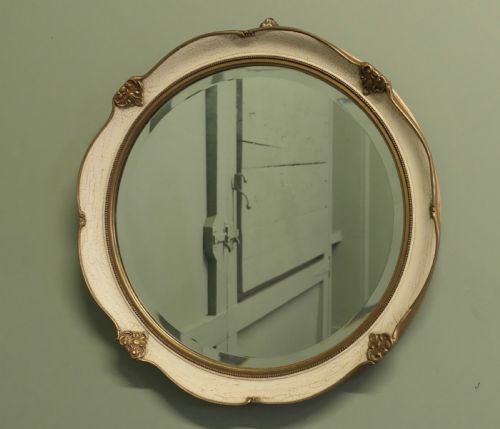
The selections on this page incorporate period pieces spanning the 1900s through the 1930s, alongside items styled in the French Chateau and Belle Epoque traditions. Buyers encounter everything from simple chrome picture surrounds to elaborate gilt gesso mirror housings.
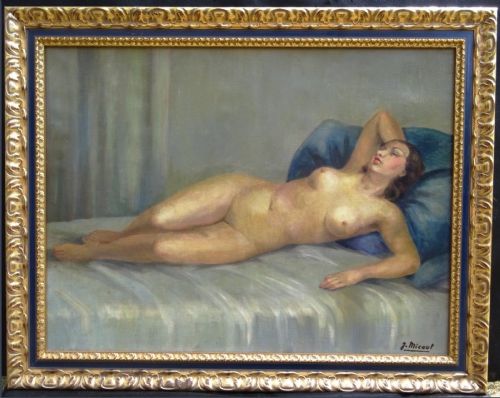
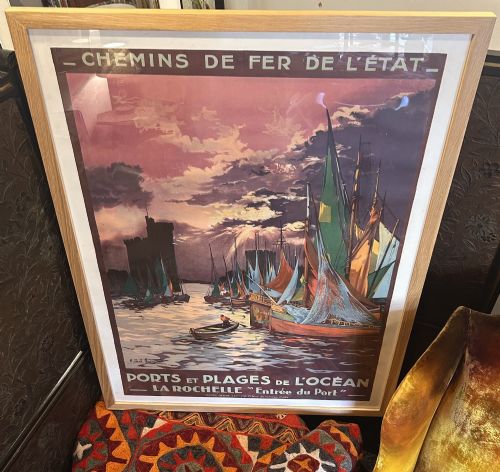
Beyond standalone borders, the evidence includes framed artworks, wall mirrors, and furnishings where the framing forms an integral part of the piece. Materials range from walnut and bamboo to brass, chrome, and glass.
How they were made
Makers utilised traditional woodworking methods alongside emerging industrial materials during the 1920s and 1930s. Woods such as walnut appear alongside polished metals including brass and chrome.
Glass and mirrored components received specialist bevelling and etching techniques, while paper and canvas works relied on ink, pastel, watercolour, and oil paint. Gilt gesso treatments added metallic finishes to wooden mouldings.
Listings feature works in wood, glass, chrome, and brass, spanning the 1900s to the 1930s.
What varies in quality
Execution of detail separates standard commercial items from superior workshop productions. Hand-coloured etchings, signed prints, and finely carved wooden mouldings demonstrate greater artisan input.
The integrity of original materials, such as untouched gilt finishes, genuine period glass, and intact backing structures, dictates the standard of preservation across surviving examples.
Louis Icart·Julian Mandel·Raymond Moritz·Lucien Gibert·Gaetan Dumas·Jean Hardy·Albert Guillaume·Jacques Adnet·Kees van Dongen
The French Art Deco Frame Glossary
- Etching
- A printmaking process where acid cuts into unprotected parts of a metal plate to hold ink. Etchings from the 1920s often received delicate hand-colouring.
- Aquatint
- A printmaking technique that produces tonal effects by using acid-resistant resin on a copper plate. This method allowed artists to replicate the soft washes of watercolours.
- Lithography
- A planographic printing process based on the repulsion of oil and water. Lithographs captured painterly lines effectively in poster and print production.
- Gesso
- A paint mixture consisting of a binder mixed with chalk, gypsum, or pigment. It served as a smooth base for gilding on wooden frames and mirrors.
- Bakelite
- An early plastic made from phenol and formaldehyde, valued for its durability and electrical non-conductivity. It appears alongside chrome in modernist accessories.
French Art Deco Frame: Frequently Asked Questions
What periods do these pieces date from?
The inventory contains items from the 1900s, 1910s, 1920s, and 1930s, reflecting broader Victorian and early twentieth-century design movements.
Artisans produced these works predominantly during the height of the modernist era in France.
What materials were used?
Makers utilised wood such as walnut, alongside metals including brass, chrome, and steel. Glass, paper, canvas, and bamboo also feature prominently.
Surfaces often incorporated ink, paint, pastel, and gilt gesso.
How are mirrors and artworks housed?
Mirrors and framed works utilise specific structural surrounds built from carved wood, glass panels, or metallic profiles. Many pieces retain their original mounting configurations.
Wall-hanging hardware and easel backs varied according to the object type.
How do I identify French art deco design?
Design characteristics include geometric symmetry, stylised motifs, and a combination of industrial metals with natural timber. Pieces often display clean lines alongside refined decorative elements.
Signatures from period artists and printmakers frequently verify authenticity.