







Vintage Metal Photo Frame
These vintage metal photo frames range from Victorian cast brass to sleek Art Deco chrome, designed to display treasured portraits with enduring style.
Vintage Metal Photo Frame
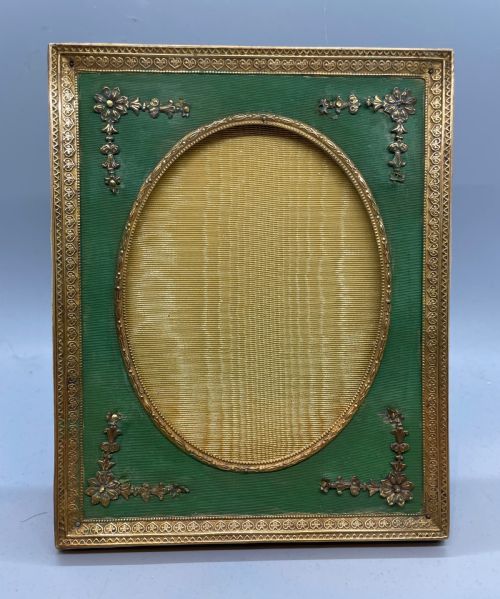
A vintage metal photo frame provides a decorative housing for portrait photographs, utilising materials like brass, ormolu, pewter, iron, and chrome. Buyers searching this phrase encounter a rich variety of domestic display pieces originating from the nineteenth and twentieth centuries.
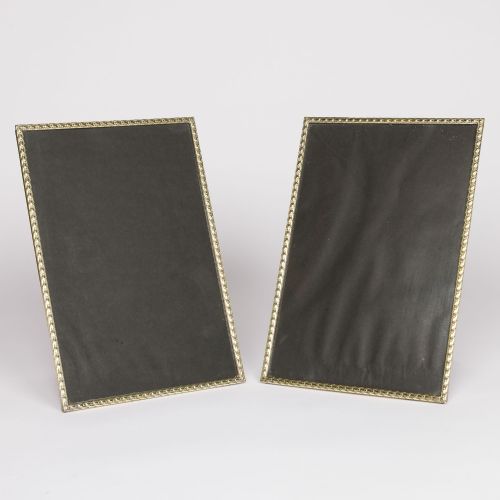
The selection on this page spans from ornate Victorian designs and Edwardian ormolu pieces to geometric Art Deco creations. Oval, double, and free-standing formats frequently appear across these historical periods.
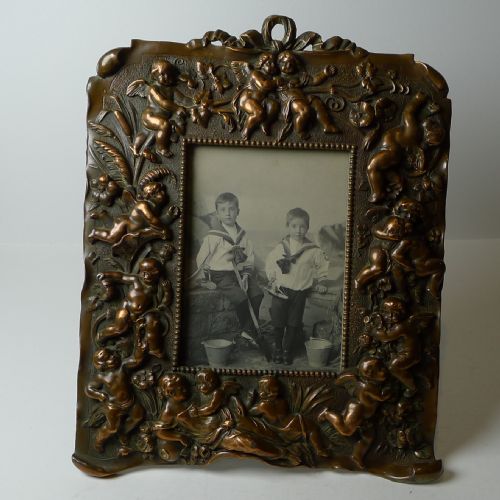
French styles strongly influence the selection, featuring decorative elements such as cherubs, paste stones, and classical motifs. These frames serve both functional and ornamental roles on desks, mantelpieces, and walls.
How they were made
Metals such as brass, bronze, pewter, and iron form the structural foundation of these pieces, often finished with gilt or nickel plating. Casting techniques allowed makers to create intricate sculptural details, including floral patterns and cherubs.
Many examples incorporate glass to protect the photograph, sometimes paired with silk, paper backing, or original watercolour paintings. Ormolu and gilded bronze components demonstrate precise metalworking traditions typical of French and English workshops.
Vintage Metal Photo Frame Retail Price Guide 2026
Typical asking prices for vintage metal photo frame among the pieces listed under this phrase on Sellingantiques today, from the lower quarter to the upper quarter. They describe what is for sale here now, not the wider market.
Aviation-age optimism met the mantelpiece when clever designers turned shiny chrome and skyscraper geometry into miniature architectural monuments for family portraits.
What varies in quality
The definition and depth of the metal casting separate standard production from finer work, particularly where chased details and decorative mounts are concerned. Heavier gauges of brass, bronze, and plated metals provide greater durability and a more substantial feel in the hand.
The integration of secondary materials, such as bevelled glass, paste stones, and original fabric linings, influences the overall character of the piece. Superior examples maintain crisp surface finishes and secure structural joints across complex forms like double frames and folding struts.
Moseley
The Vintage Metal Photo Frame Glossary
- Ormolu
- Gilded bronze, typically produced by applying a mercury and gold amalgam to a bronze base. This technique creates a rich, warm metallic lustre characteristic of fine decorative items.
- Art Deco
- A design style prominent in the 1920s and 1930s emphasising geometric shapes, clean lines, and modern industrial metals like chrome and nickel.
- Aesthetic Movement
- A late nineteenth-century cultural and artistic movement prioritising visual and compositional beauty over narrative or moral themes.
- Gilt Brass
- Brass that has been treated with a thin layer of gold paint or leaf to simulate solid gold and provide a bright surface finish.
- Paste Stone
- Faceted glass or crystal cut and polished to resemble precious gemstones, frequently set into decorative metal frames.
Vintage Metal Photo Frame: Frequently Asked Questions
How do I date a metal photo frame?
Dating relies on stylistic markers, manufacturing techniques, and material choices associated with specific decades. Victorian and Edwardian examples often feature heavy cast brass, floral motifs, or ornate ormolu, while 1930s pieces lean towards streamlined chrome and nickel.
The presence of original backing materials, glass types, and specific fastening mechanisms also helps narrow down the production period of each individual frame.
Can these frames hold modern photographs?
Most vintage frames accommodate standard photograph sizes, though older apertures can occasionally vary slightly from modern printing dimensions. Adjusting a print or securing it safely behind the original glass is usually straightforward.
Care should be taken when opening older backing mechanisms, as metal hinges and struts can become brittle over long periods of use.
How do I care for antique metal frames?
Cleaning requires a gentle approach to preserve original platings, gilding, and patinas accumulated over decades of existence. Soft cloths are recommended, avoiding harsh chemical polishes that can strip thin layers of gilt or nickel.
Keeping frames away from excessive moisture protects internal paper elements, silk linings, and backing boards from deterioration.
What styles are common in metal frames?
French revival styles, including Rococo and Louis XVI motifs, appear frequently alongside Aesthetic Movement designs and Edwardian cast iron pieces. These historicist movements relied heavily on sculptural metalwork to create ornamental borders.
Later twentieth-century objects shift toward Modernist and skyscraper Art Deco geometries, reflecting changing architectural and domestic interior trends.