



Victorian Sterling Silver Frame
When searching for a victorian sterling silver frame, you encounter decorative photograph holders and tabletop mirrors fashioned for late nineteenth-century interiors.
Victorian Sterling Silver Frame
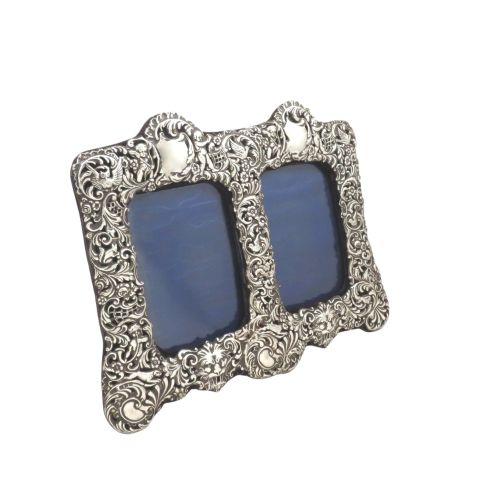
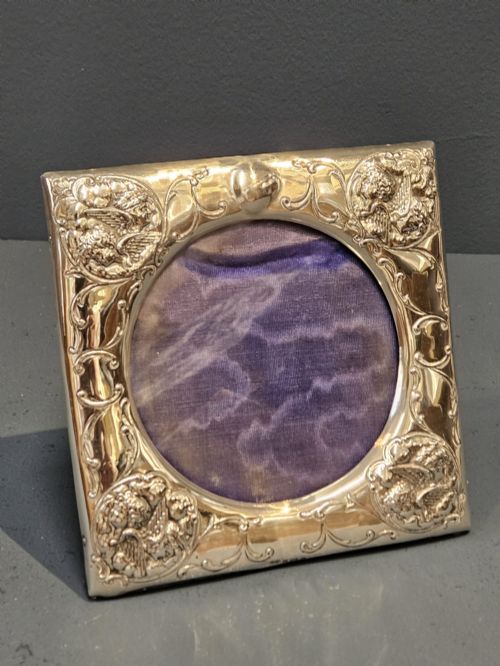
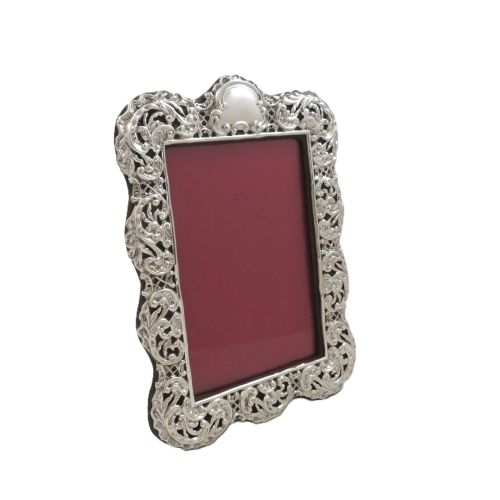
The victorian sterling silver frame category comprises primarily photograph frames, picture mounts, and tabletop mirrors produced during the nineteenth and early twentieth centuries. These objects range from small portable keepsakes to substantial desk accessories designed to display portraits of family members.
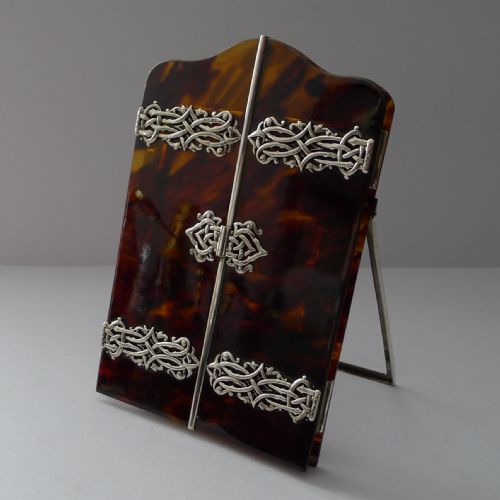
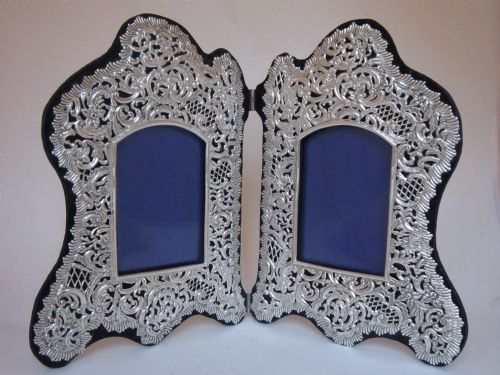
Examples frequently date from the 1880s through the Edwardian transition, reflecting the shifting aesthetic tastes of the period. Buyers discover both single portrait holders and double formats intended to display multiple photographs side by side.
How they were made
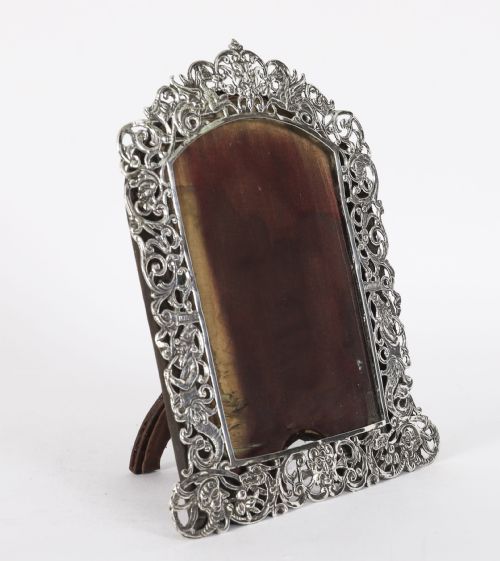
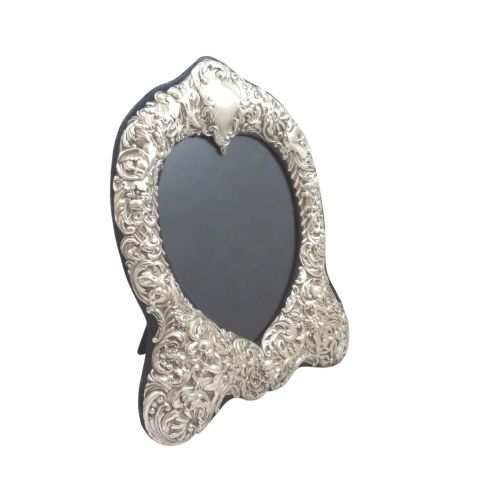
Silversmiths constructed these pieces using sterling silver sheet metal, often shaped through embossing, chasing, and piercing techniques to create intricate surface relief. Frameworks were mounted onto structural backings composed of wood, glass, velvet, or fabric to provide rigidity and support.
Certain workshops combined silver mounts with contrasting organic materials like tortoiseshell or applied gilt treatments for decorative effect. Backing panels typically featured folding wooden struts covered in blue velvet or other textiles to enable tabletop display.
Victorian Sterling Silver Frame Retail Price Guide 2026
Typical asking prices for victorian sterling silver frame among the pieces listed under this phrase on Sellingantiques today, from the lower quarter to the upper quarter. They describe what is for sale here now, not the wider market.
Listings feature sterling silver, velvet, glass, wood, fabric, tortoiseshell, and gilt silver.
What varies in quality
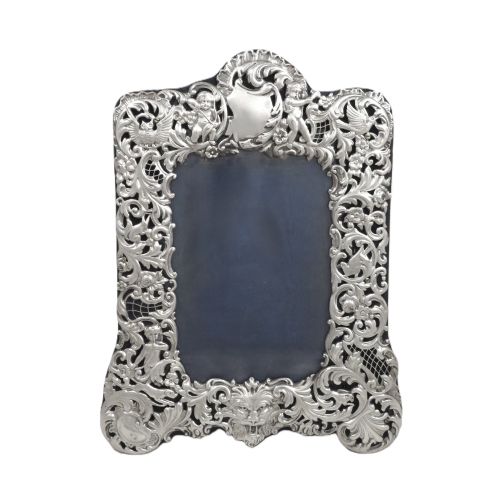
The depth and clarity of the metalwork distinguish standard production from superior pieces, particularly in embossed motifs featuring cherubs, birds, or floral scrollwork. Crisply defined detailing indicates skilled hand-chasing by master silversmiths rather than heavier, shallower machine stamping.
The integrity of the structural components, such as the original wooden backing boards, secure silver hinges, and intact velvet linings, influences the overall character of an object. Pieces retaining their original bezels and glass demonstrate greater completeness and historical preservation.
William Comyns·Henry Matthews·Walker & Hall·Elkington & Co·Syner & Beddoes·Mappin Bros·Jacob & Co·Minshull & Latimer·William Hutton & Sons·Rosenthal
The Victorian Sterling Silver Frame Glossary
- Sterling silver
- A silver alloy containing 92.5 percent pure silver and 7.5 percent other metals, usually copper, chosen for durability. This standard metal composition appears across the majority of nineteenth-century frames.
- Easel back
- A hinged support strut attached to the rear of a frame to allow upright display on a table or desk. These supports are frequently covered in velvet or fabric.
- Chasing
- A metalworking technique where the silversmith hammers metal from the front to create raised decorative patterns and surface relief. This method defines the detailed cherubs and scrollwork seen on many nineteenth-century mounts.
- Pierced work
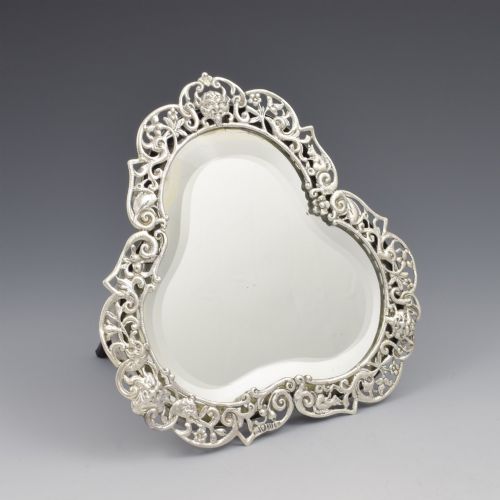
- Openwork designs created by cutting through the silver sheet to form geometric or naturalistic patterns. This technique lightens the visual weight of larger frames.
- Vesta case
- A small pocket container designed for holding matches, occasionally combined with photograph frames in multifunctional nineteenth-century objects. These combination pieces served practical daily needs.
Victorian Sterling Silver Frame: Frequently Asked Questions
How do I clean my silver frame?
Clean silver gently using a specialised soft polishing cloth designed for precious metals, taking care to avoid abrasive substances that might damage embossed details.
Keep cleaning agents away from the fabric, velvet, or tortoiseshell backing components to preserve the original materials surrounding the metal.
What sizes are available?
Dimensions range from compact three-inch miniature keepsakes to large portrait frames measuring twelve inches or more in height.
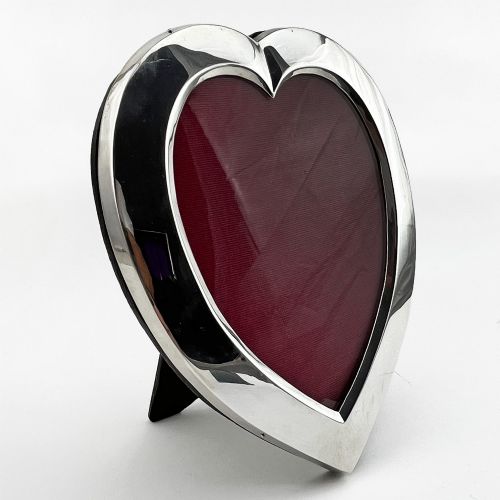
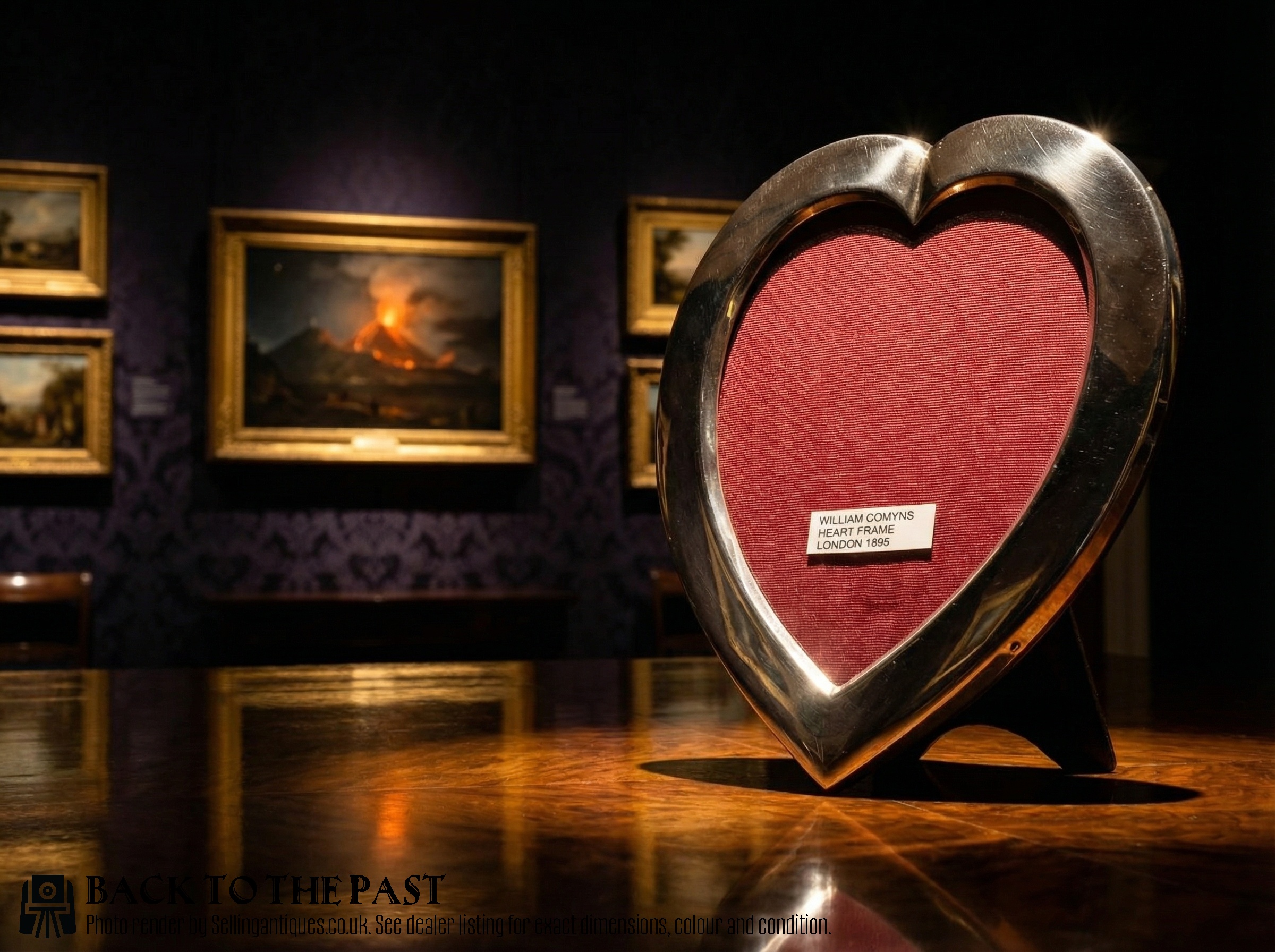
Most rectangular and heart-shaped formats fall between seven and ten inches, accommodating standard cabinet photographs of the period.
Are the easel backs original?
Many pieces retain their original wooden struts covered in velvet or fabric, though replacement backs do occur due to nineteenth-century wear and tear.
Examine the hinges and the fit against the silver border to assess whether the backing components date from the same period as the metal mount.
How do I date a silver frame?
Dating relies heavily on hallmarks stamped into the silver, which record the assay office, date letter, and sterling standard for the year of manufacture.
Stylistic shifts, such as the transition from heavy Victorian rococo revival scrolls to flowing Edwardian lines, also help narrow down the period.