


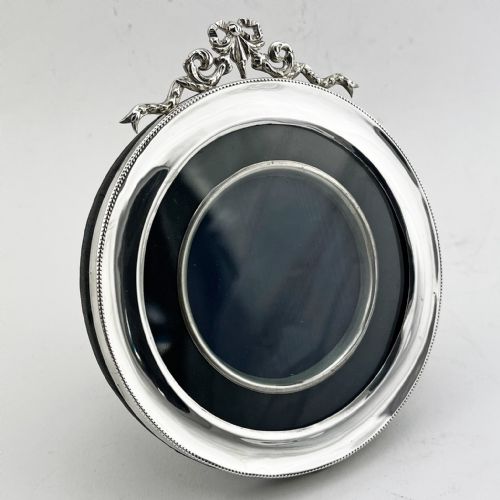
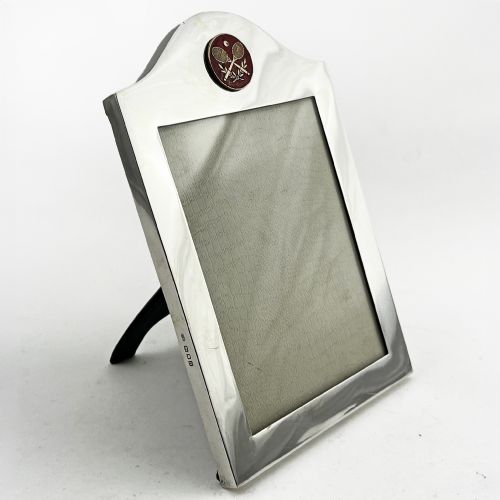


Silver Table Photo Frame
These silver table photo frames bring desk and mantelpiece charm, spanning late Victorian elegance to Art Deco lines.
Silver Table Photo Frame
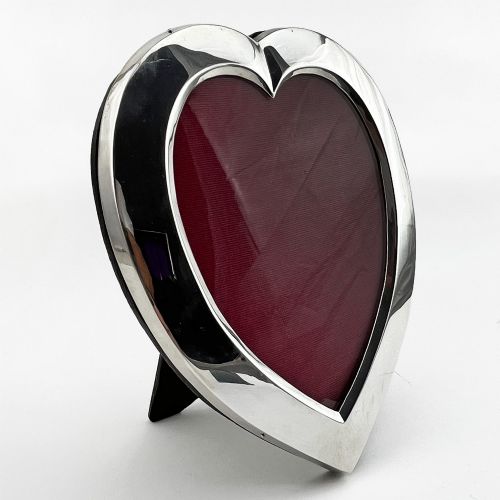
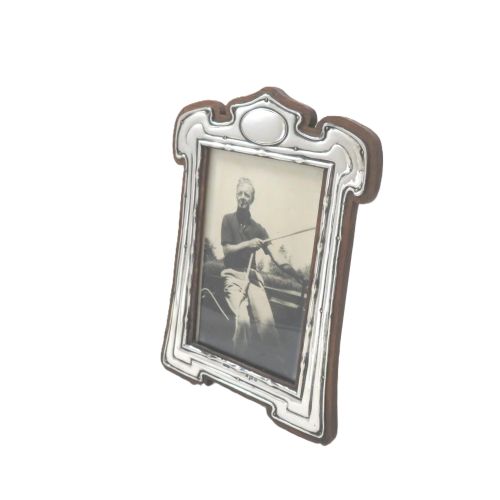
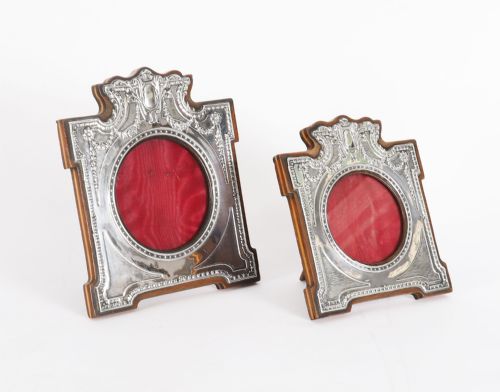
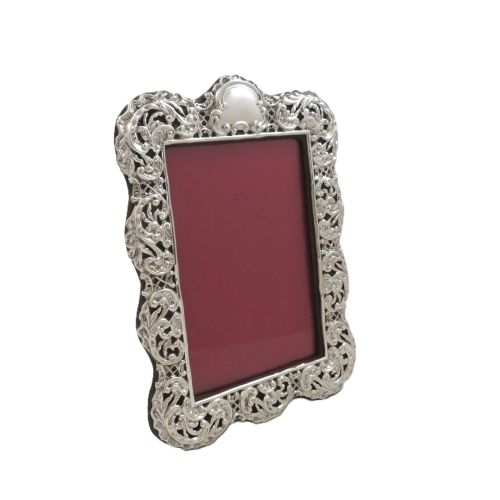
A silver table photo frame sits on desks, sideboards and dressing tables to display portraits, watercolours and miniature mirrors. When searching for a silver table photo frame, buyers encounter pieces formed from solid sterling silver, mounted wood and gilt finishes.
The selections span Victorian, Edwardian and Art Deco periods, showcasing shapes from simple rectangles to hearts and circles. Makers decorated these items with embossed motifs, floral borders and planished textures.
Most examples rely on wooden or velvet backs to support the heavy metal front. Collectors find both standard portrait orientations and two-way display variants.
Materials and construction
Silversmiths constructed these frames using sterling silver sheets shaped over wooden cores or backed by dense timber and rich velvet. Craftsmen utilised embossing, planishing and gilding techniques to add decorative depth to the metal surface.
Makers integrated clear glass to protect the photographs, securing the contents with hinged struts and swivel clips. Enamel accents and leather supports also appear on select pieces from the period.
Silver Table Photo Frame Retail Price Guide 2026
Typical asking prices for silver table photo frame among the pieces listed under this phrase on Sellingantiques today, from the lower quarter to the upper quarter. They describe what is for sale here now, not the wider market.
Judgements of quality
Quality rests upon the crispness of the embossed detail and the weight of the solid silver used in the front mount. Pieces featuring high-relief figures or hand-planished surfaces demonstrate greater artisanal skill than plain stamped examples.
The integrity of the original wooden backing, structural struts and glass adds to the standing of a piece. Finer examples retain their original velvet linings and maker marks with clear assay offices.
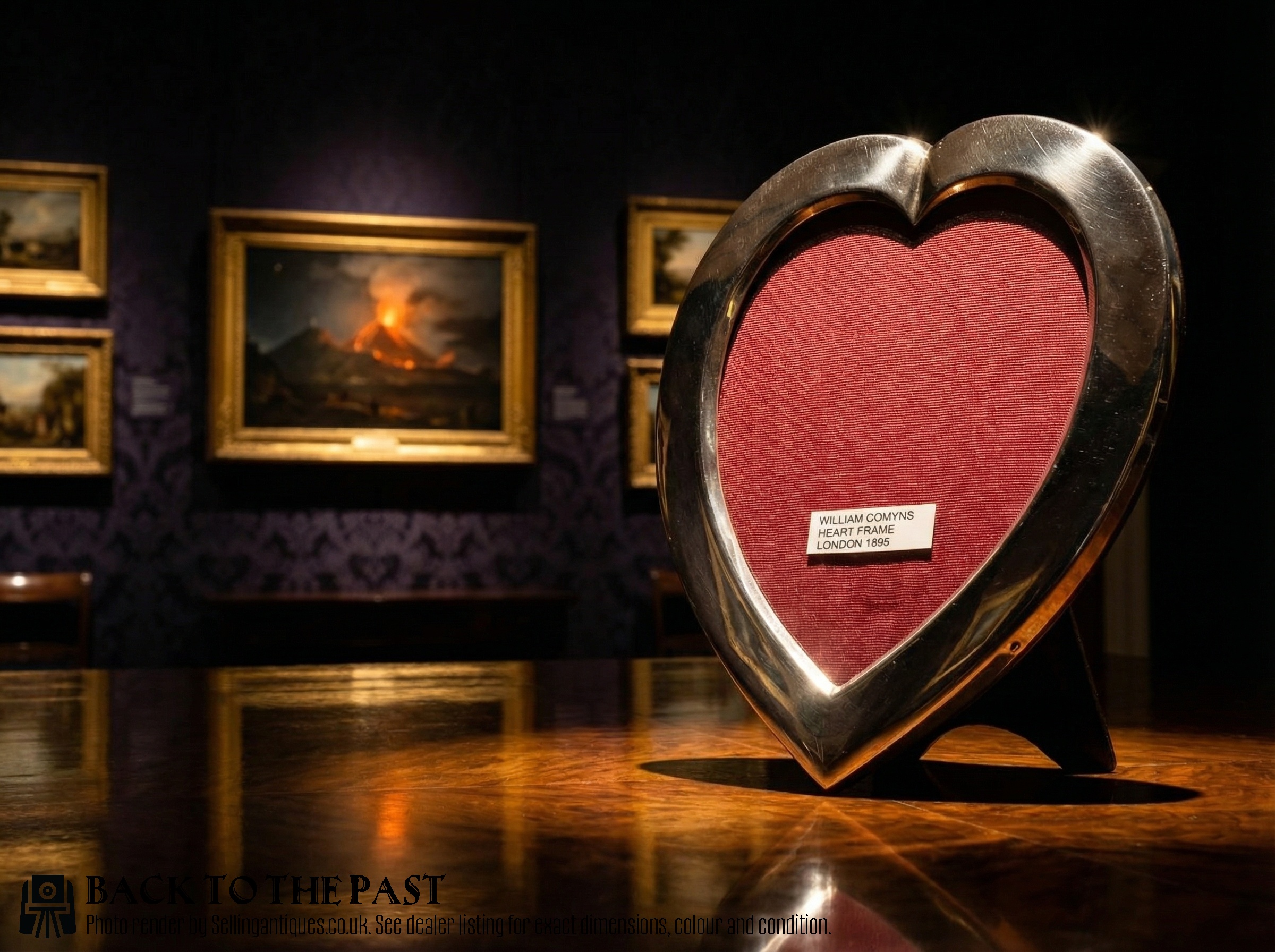
William Comyns·Mappin Bros·Henry Matthews
The Silver Table Photo Frame Glossary
- Sterling silver
- An alloy consisting of silver and other metals, usually copper, meeting a strict fineness standard. This material forms the primary metal structure of the frames.
- Planished
- A metalworking technique involving light hammer blows to create a textured, faceted surface. This finish appears frequently on Art Nouveau examples.
- Embossed
- Raised ornamentation hammered or pressed into the metal from behind. Victorian makers utilised this method to depict floral designs and cherub motifs.
- Gilt silver
- Silver coated with a thin layer of gold to produce a warm tone. This treatment enhances the decorative appeal of specific Victorian and Edwardian items.
- Strut
- A hinged support attached to the back of a frame to keep it upright on a table. Most period examples rely on wooden or fabric-covered struts.
Silver Table Photo Frame: Frequently Asked Questions
How do I clean a silver table photo frame?
Use a soft microfibre cloth and a mild, non-abrasive silver polish to remove tarnish from the metal elements. Take care to avoid getting moisture or polish on the glass, velvet backing or exposed paper photographs.
Store the frame away from direct sunlight and damp environments to preserve the integrity of both the silver and the internal wooden supports.
Can I replace the glass in an antique frame?
Original glass remains preferable for authenticity, but a restorer can cut replacement glass if the pane cracks. Ensure the new glass matches the thinness typical of late nineteenth and early twentieth-century manufacturing.
Take caution when removing the backing pins, as brittle metal tabs on antique frames can snap off if bent repeatedly.
What periods do these silver frames cover?
The inventory spans Victorian, Edwardian, George V and Art Deco eras, capturing designs from eighteen-eighty to nineteen-twenty-one. Styles shift from ornate Rococo Revival and Aesthetic movement pieces to clean geometric Art Deco lines.
Assay office marks and stylistic cues help date each individual object accurately.
How were these frames displayed originally?
Owners placed them on library writing tables, mantelpieces and dressing dressers to display family portraits or watercolours. The hinged wooden struts allowed easy adjustment of the viewing angle.
Some larger items featured two-way viewing capacities to showcase multiple images simultaneously.