


Pierced Silver Frame
A pierced silver frame brings intricate metalwork and character to a room, holding photographs and mirrors with delicate openwork style.
Pierced Silver Frame
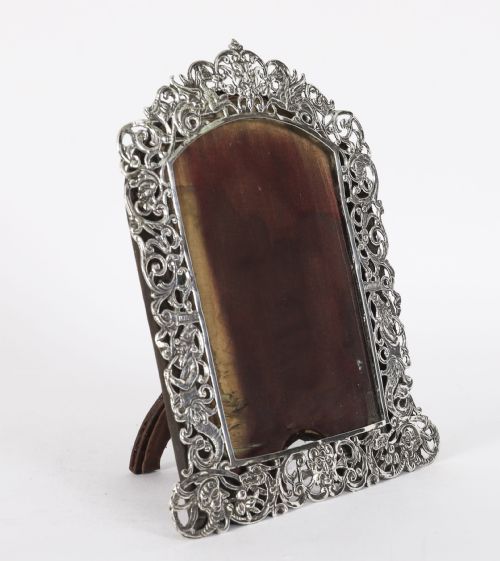
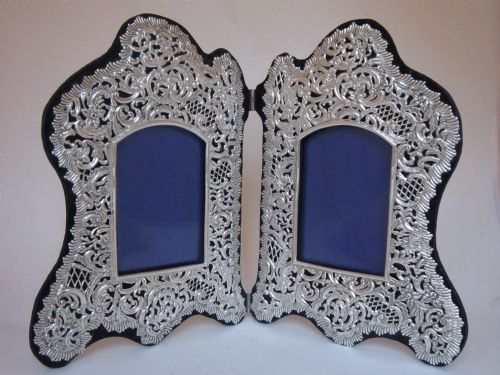
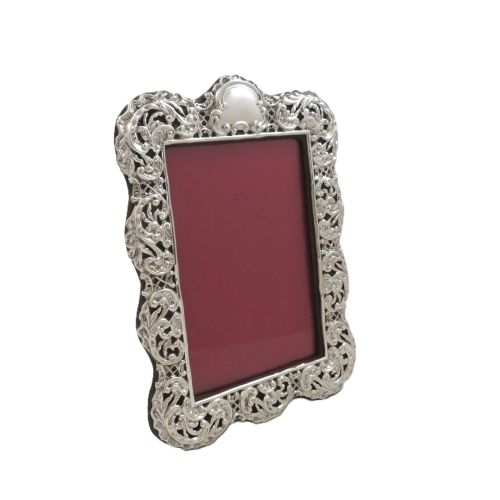
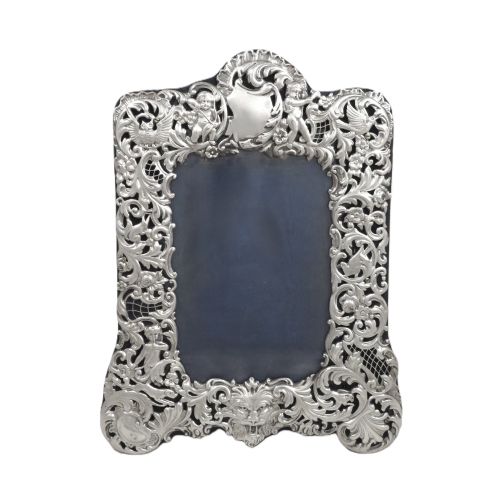
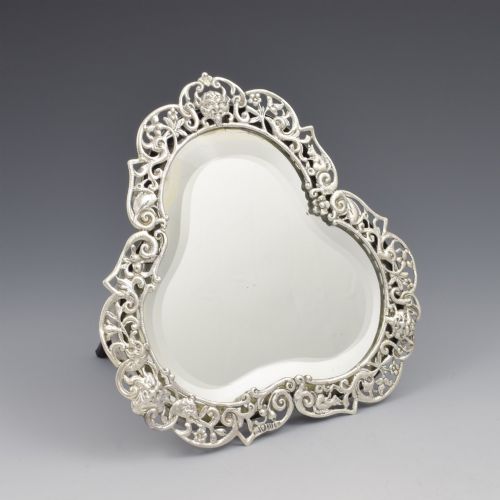
A pierced silver frame is typically a photograph frame, picture frame, or table mirror designed with openwork metal details. These decorative items appear frequently from the Victorian and Edwardian periods, alongside earlier Georgian examples.
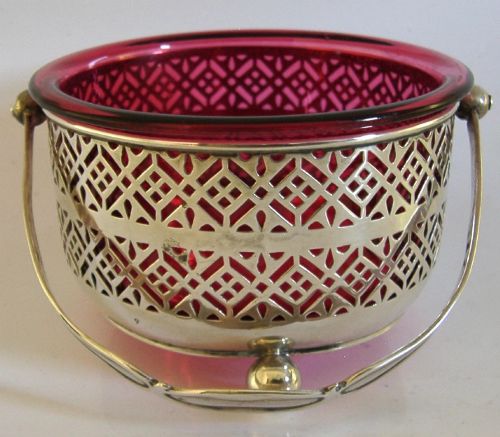
The objects combine sterling silver metalwork with functional elements such as wooden backs, glass panels, and velvet linings. While photo frames dominate the selection, the category also includes swing-handled baskets, cruet stands, and evening purses incorporating pierced silver elements.
Most pieces date from the late nineteenth century through to the early twentieth century, showing distinct stylistic shifts from geometric Victorian patterns to flowing Edwardian scrollwork. Buyers will find rectangular, square, and heart-shaped formats designed for tabletop display.
Materials and construction methods
Silversmiths utilised sterling silver for the primary pierced decorative sheets, often mounting the metal onto wooden or leather structures with velvet supports. Cut glass, cranberry glass, and clear glass frequently accompany the silver in items like cruet sets and baskets.
Makers shaped the metal through piercing and embossing techniques, cutting intricate patterns of scrolls, flowers, animals, birds, and cherubs into the silver surface. Gilt silver finishes also appear, providing a golden tone to the decorative mounts and frames.
Pierced Silver Frame Retail Price Guide 2026
Typical asking prices for pierced silver frame among the pieces listed under this phrase on Sellingantiques today, from the lower quarter to the upper quarter. They describe what is for sale here now, not the wider market.
Peering closely into the silver scrollwork often reveals tiny hidden cherubs peeking out from behind flocks of birds.
Assessing quality in silver metalwork
Quality rests upon the crispness of the piercing and the depth of the embossed details, where finely rendered motifs like birds and cherubs show superior silversmithing skill. The weight and gauge of the sterling silver plate also dictate the structural integrity of the frame.
The integrity of secondary materials, such as original bevelled glass, intact leather or wooden easel backs, and well-preserved velvet linings, separates standard domestic pieces from finer workshop productions.
Rosenthal, Jacob and Company·Elkington and Company·Hester Bateman·Henry Matthews·William Hutton and Sons·Philip Ashberry·William Comyns
The Pierced Silver Frame Glossary
- Sterling silver
- A silver alloy containing 92.5 percent pure silver and 7.5 percent other metals, usually copper, ensuring durability for decorative items.
- Pierced work
- Metalwork technique where patterns are cut through the silver sheet to create openwork designs.
- Easel back
- A hinged support attached to the rear of a frame allowing it to stand upright on a table.
- Gilt silver
- Silver objects that have a thin layer of gold applied to the surface, creating a two-tone or golden appearance.
- Cruet set
- A matched collection of glass bottles mounted in a silver frame or stand, used for condiments at the dining table.
Pierced Silver Frame: Frequently Asked Questions
How do I clean a pierced silver frame?
Use a soft brush and gentle silver cleaner to remove tarnish from the intricate openwork without damaging the backing material. Avoid getting liquid polish onto the velvet, wood, or glass components.
Store or display the frame away from damp environments to prevent corrosion of the underlying structure and preserve the finish of the silver.
Were these frames always used for photographs?
While the late Victorian and Edwardian periods popularised these items specifically for portrait photography, earlier examples often served as mirrors or held small artwork. The interchangeable nature of table accessories meant many designs adapted to changing interior fashions.
Most surviving examples retain their original easel supports, confirming their primary role as tabletop display pieces in domestic parlours and dressing rooms.
How can I date a silver frame?
Examine the hallmarks stamped on the silver, which record the assay office, standard mark, and date letter for the specific year of production. Stylistic clues such as floral scrolls, cherubs, or Art Nouveau animal motifs also point towards specific decades like the eighteen-nineties.
Maker marks provide further context, linking the piece to documented silversmiths and manufacturing firms active during the Victorian and Edwardian eras.
What backs are original to these frames?
Original backs typically consist of wood, often covered in leather, dark velvet, or watered silk, paired with a functional metal easel strut. These components support the weight of the silver front and the glass protecting the photograph.
Replacement backs are common due to age, so inspect the fixings and materials for consistency with the period of the silver mount.