

Edwardian Sterling Photo Frame
When you select an edwardian sterling photo frame, you acquire a silver display piece for domestic portraits.
Edwardian Sterling Photo Frame
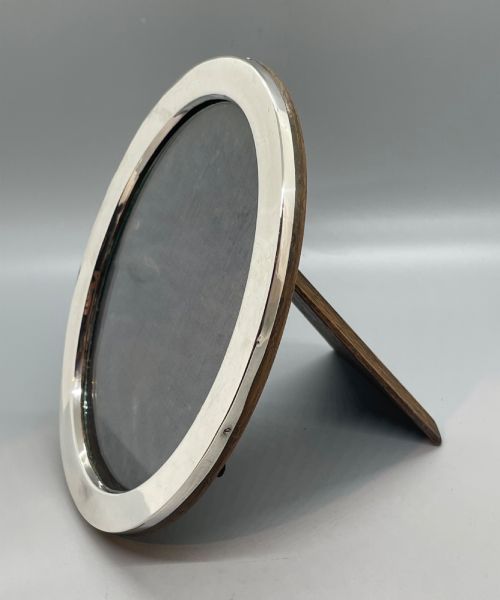
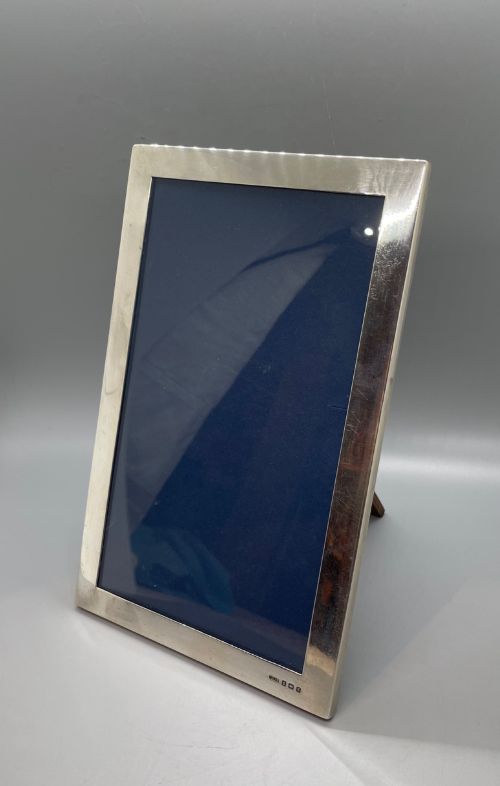
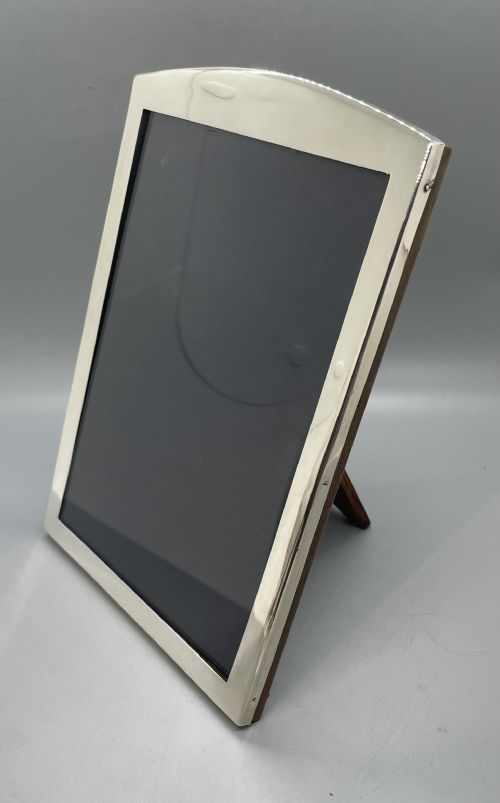
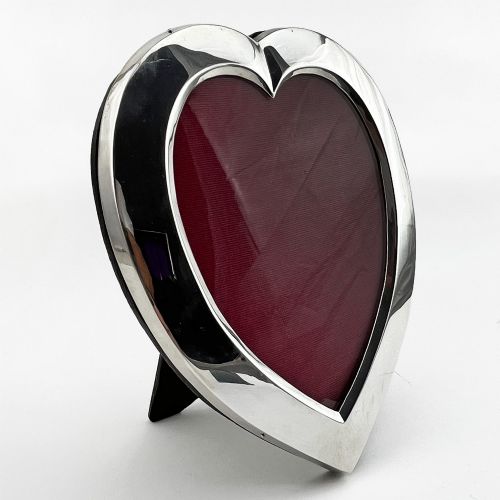
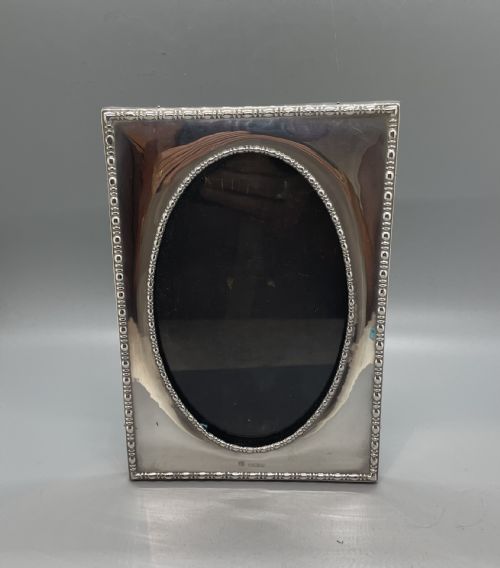
An edwardian sterling photo frame is a desktop or mantelpiece accessory designed to hold personal photographs behind glass, framed in precious metal. These pieces reflect the domestic portraiture habits of the late Victorian and Edwardian eras, spanning shapes from simple rectangles to hearts and ovals.
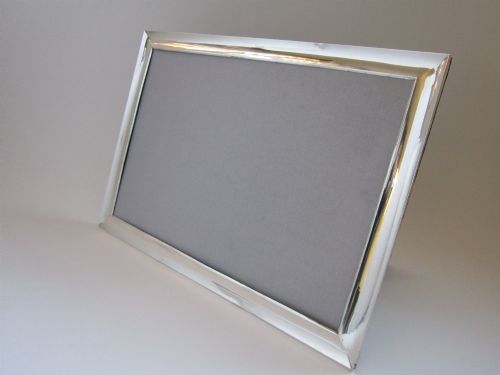
The versions most frequently met on this page belong primarily to the Edwardian period and the early twentieth century, alongside related George V and late Victorian examples. Makers produced them in formats ranging from small circular window mounts to large landscape and portrait displays measuring over a foot in height.
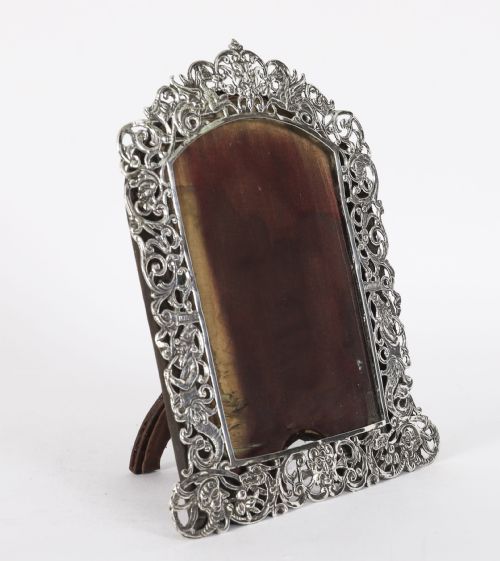
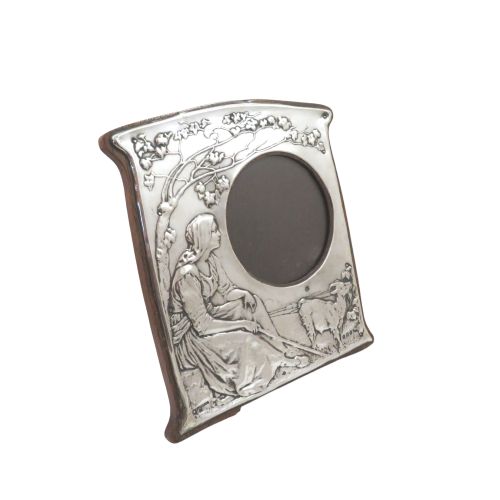
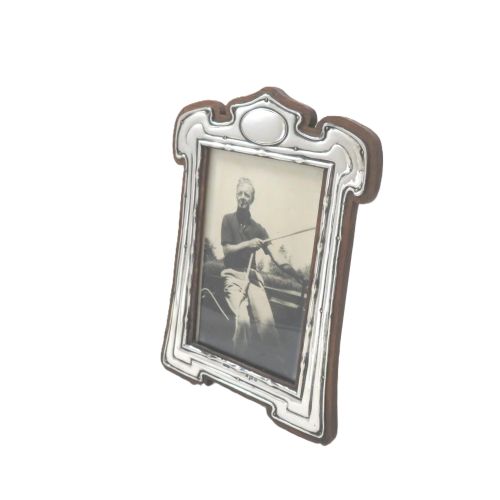
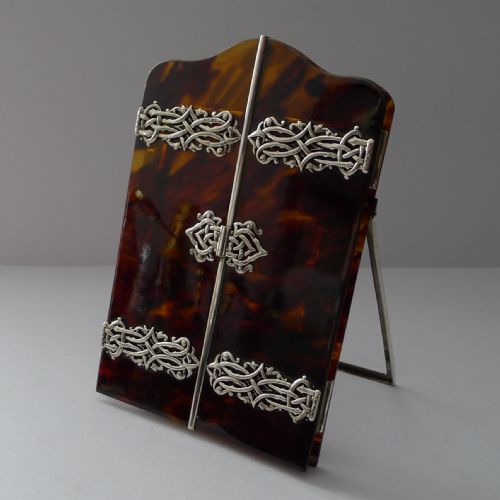
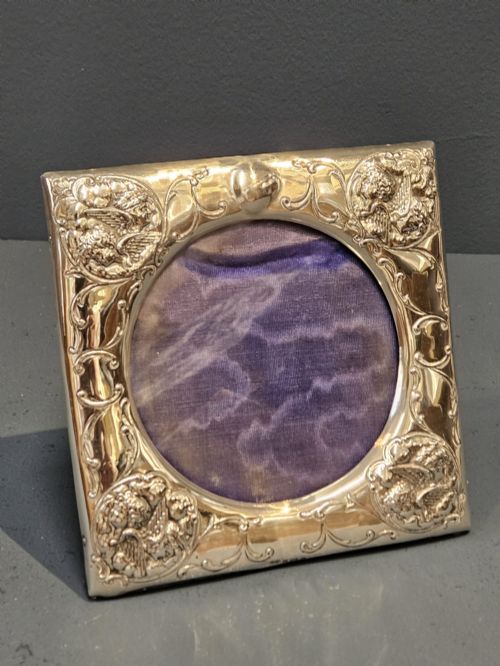
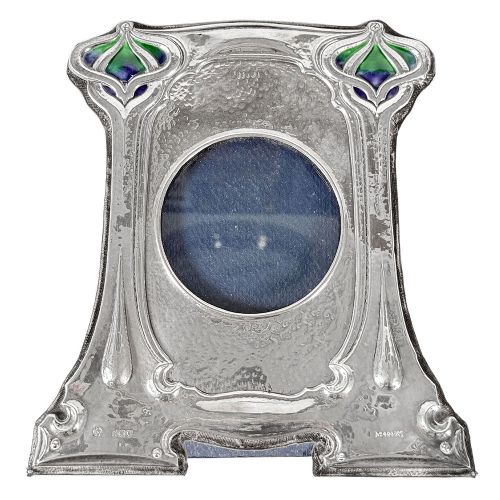
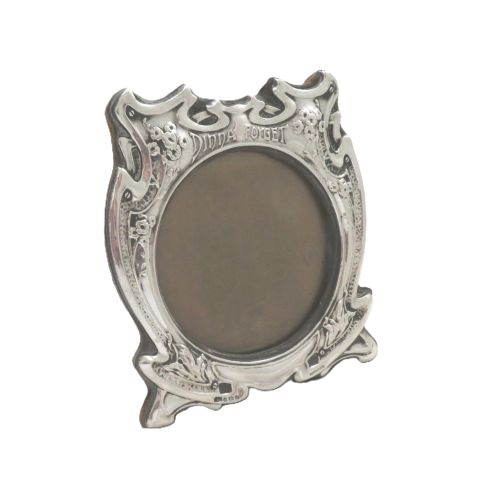
Many examples incorporate decorative styles such as Art Nouveau whip lines, embossed floral borders, or themed motifs like angels and butterflies. Structural variations include single apertures, double panels, and triple hinged configurations designed to stand on wooden or fabric-backed supports.
How they were made
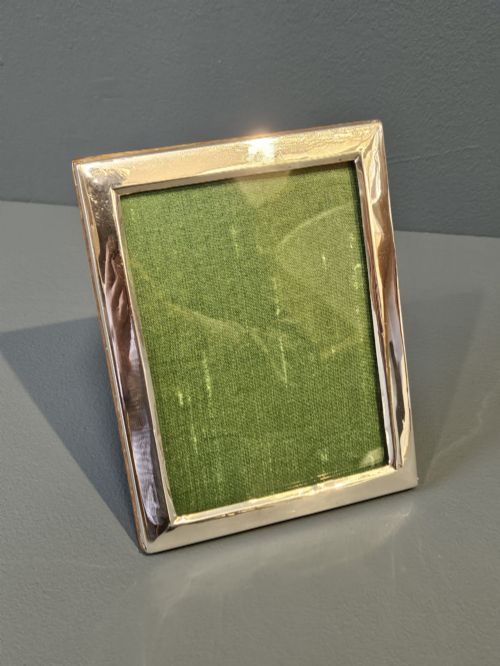
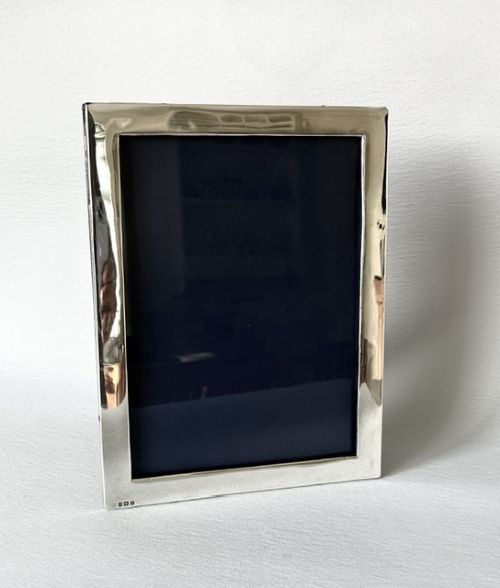
Makers constructed these objects using sterling silver sheet, which was stamped, embossed, or hand-chased to create decorative borders featuring scrolls, flowers, and figural scenes. Art Nouveau models often show sweeping organic lines, while other variants utilise plain polished surfaces or geometric engraving.
The silver mounts were secured to wooden backing boards, frequently covered in velvet, leather, or fabric, and fitted with easel stands for support. Glazing protected the photographic paper within, held in place by metal tabs or sliding wooden backs.
Keep an eye out for frames featuring Reynolds Angels peering down from the silver border.
What varies in quality
The distinction between ordinary and superior pieces rests on the weight of the sterling silver sheet and the crispness of the embossed or chased decoration. Deeper relief work and well-defined figurative details, such as cherubs or floral garlands, indicate skilled silversmithing.
The integrity of the backing materials also defines the standard of a piece, with original wood, leather, and velvet supports holding more interest than later replacements. Furthermore, the presence of clear hallmarks indicating notable makers or regional assay offices elevates the standing of an item.
Rosenthal, Jacob and Co·William Comyns·William Hutton and Sons·Mappin Bros·W.I. Broadway and Co·Henry Matthews
The Edwardian Sterling Photo Frame Glossary
- Sterling silver
- A silver alloy containing 92.5 percent pure silver and 7.5 percent other metals, usually copper, ensuring durability for decorative items. This standard is verified by assay office hallmarks.
- Hallmark
- A set of official marks stamped onto precious metal items indicating the maker, purity, assay office, and year of testing. These symbols allow collectors to date pieces accurately.
- Easel back
- A hinged wooden prop attached to the reverse of a frame, allowing it to stand upright on a desk or mantelpiece. Most historical examples utilise fabric or leather hinges.
- Chasing
- A metalsmithing technique where the artisan pushes metal from the front using hammers and punches to create raised decorative designs without removing material.
- Aperture
- The open window in the frame through which the photograph is viewed, varying in shape from standard rectangles to circles, hearts, and ovals.
Edwardian Sterling Photo Frame: Frequently Asked Questions
Can I replace the glass easily?
Most frames use thin window glass held in place by small metal tabs bent over the edges of the backing board. Care is required when bending these tabs to prevent metal fatigue.
Original glass often shows slight bubbles or waviness, which collectors prefer to retain alongside the historical structure of the mount.
How do I date a silver frame?
Look for the assay office marks and the date letter stamped into the sterling silver border near the edge. These official hallmarks correspond to specific active years for each UK assay office.
Stylistic indicators such as Art Nouveau whiplash curves or embossed floral motifs also help narrow down the decade of manufacture.
Were these frames meant for wall hanging?
The vast majority were designed exclusively for tabletop or mantelpiece display, utilising easel supports attached to the rear backing board. Wall loops are uncommon on standard examples.
Larger formats and pairs were intended to anchor prominent surfaces in Edwardian drawing rooms and parlours.