



Decorative Silver Photo Frame
These decorative silver photo frames bring nineteenth-century craftsmanship to your mantelpiece, pairing precious metal with velvet, wood, and glass.
Decorative Silver Photo Frame
A decorative silver photo frame is an ornamental enclosure designed to display portraiture, merging precious metalwork with functional home decor. When you examine this search phrase, you encounter pieces spanning the Victorian, Edwardian, and Art Deco periods, alongside early twentieth-century examples.
The versions you are most likely to meet on this page include rectangular and shaped sterling silver mounts, frequently paired with supportive wooden backs and rich velvet linings. These items range from compact single apertures to larger double folding formats produced by British makers.
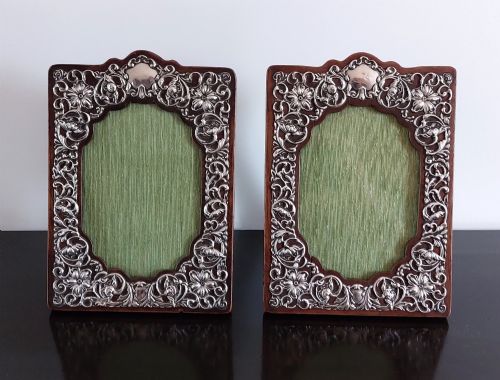
Originating largely from late nineteenth and early twentieth-century workshops, these frames often incorporate stamped borders, pierced scrollwork, or cast ribbon motifs. They survive in sterling silver, gilt silver, and occasionally pewter, reflecting the shifting aesthetic tastes of the Victorian and Edwardian eras.
Materials and construction
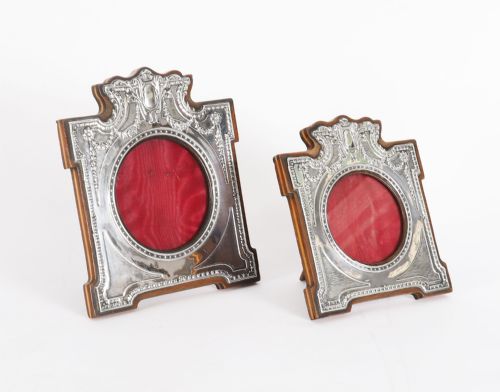
Makers constructed these frames using sterling silver sheets shaped over wooden cores or backed by robust panels of wood and cardboard. Supporting structures frequently utilised deep blue or neutral velvet linings to cushion the photograph and secure the internal glass pane.
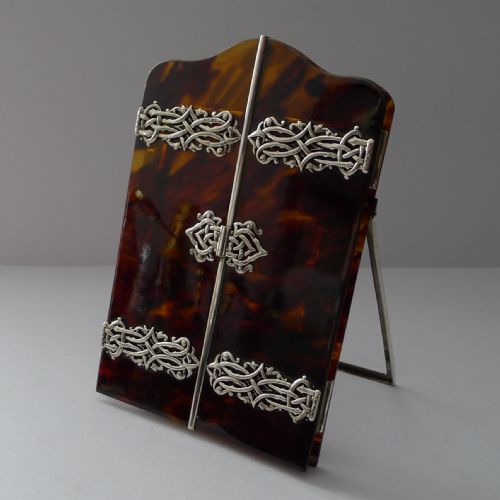
Craftsmen applied decorative techniques such as piercing, embossing, and casting to precious metal, creating intricate borders with floral patterns or ribbon and bow motifs. Tortoiseshell inlays and gilt silver finishes appear alongside standard sterling silver, demonstrating a diverse range of decorative treatments.
Decorative Silver Photo Frame Retail Price Guide 2026
Typical asking prices for decorative silver photo frame among the pieces listed under this phrase on Sellingantiques today, from the lower quarter to the upper quarter. They describe what is for sale here now, not the wider market.
Distinctions in quality
Quality rests upon the weight of the metal and the depth of the ornamentation, separating simple stamped borders from hand-cast motifs. Heavier sterling silver frames maintain their structural integrity far better over time than lighter plated alternatives.
The sophistication of the backing materials also dictates standard, with original wood panels and intact velvet linings marking out superior examples. Furthermore, distinct maker marks and legible hallmarks establish clear provenance and superior manufacturing standards.
Mappin Bros·Hardy Brothers·William Comyns·Deakin & Sons
The Decorative Silver Photo Frame Glossary
- Sterling silver
- A silver alloy containing 92.5 percent pure silver and 7.5 percent other metals, typically copper, ensuring durability for decorative items.
- Hallmark
- An official stamp applied by an assay office indicating the purity of the metal, the maker, and the year of manufacture.
- Aesthetic movement
- A late nineteenth-century style prioritising visual beauty over narrative or moral themes, visible in certain pewter and silver designs.
- Tortoiseshell
- The mottled brown and yellow shell of certain turtle species used as an ornamental inlay material behind silver mounts.
- Pierced scrollwork
- An openwork decorative technique where patterns are cut through the silver sheet to create elaborate botanical or abstract designs.
Decorative Silver Photo Frame: Frequently Asked Questions
What periods do these silver frames date from?
These frames largely date from the Victorian, Edwardian, and Art Deco eras, spanning the late nineteenth century through to the 1930s.
Assay office hallmarks and specific stylistic indicators like Aesthetic Movement or Art Nouveau details help pinpoint the exact decade of manufacture.
How were these photo frames originally displayed?
They were designed to stand on mantelpieces, desks, and tables, supported by integrated wooden or cardboard struts attached to the reverse.
Many examples feature folding double panels or portrait orientations intended to showcase family photographs in domestic living spaces.
What materials support the silver frontages?
The front silver mounts are typically bonded to wooden inner cores and backed with supportive panels covered in velvet or paper.
Original interior components often include protective glass panes held in place by small metal tabs or sliding wooden wedges.
How do I identify different decorative styles?
Victorian frames frequently display heavy cast ribbon motifs and floral borders, whereas Edwardian pieces often incorporate lighter pierced scrollwork.
Art Deco examples shift towards geometric precision and cleaner lines, reflecting the modernist design shifts of the 1920s and 1930s.