
Vintage Silver Frame
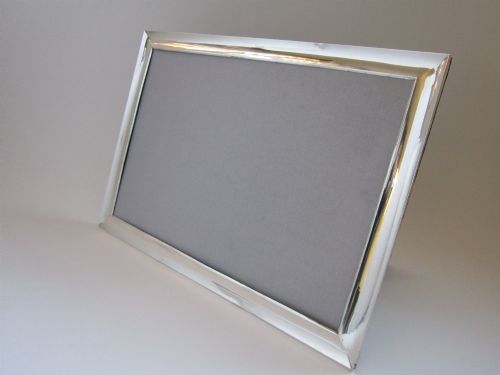
When you search for a vintage silver frame, you are looking at functional metalwork designed to display personal portraits and interior scenes across various historical periods.
Vintage Silver Frame
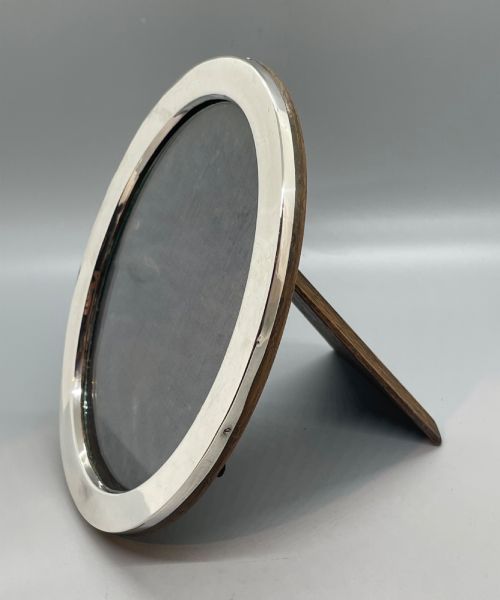
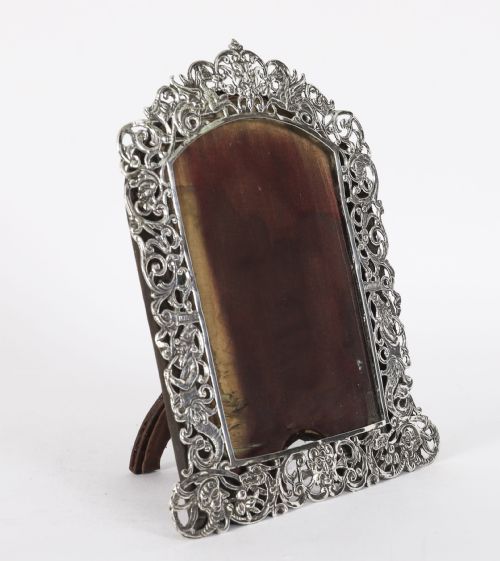
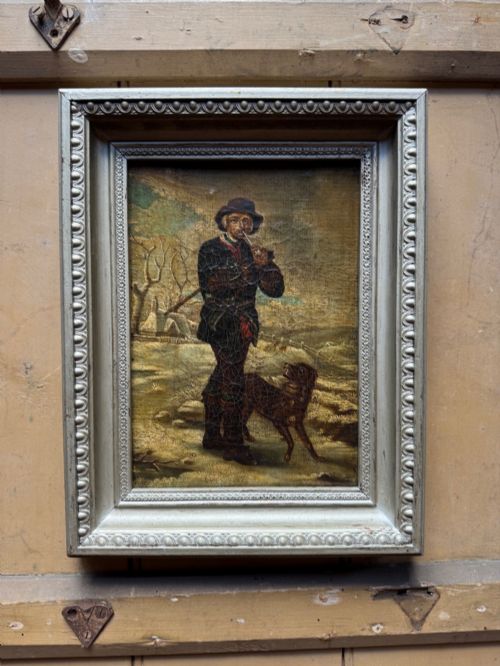
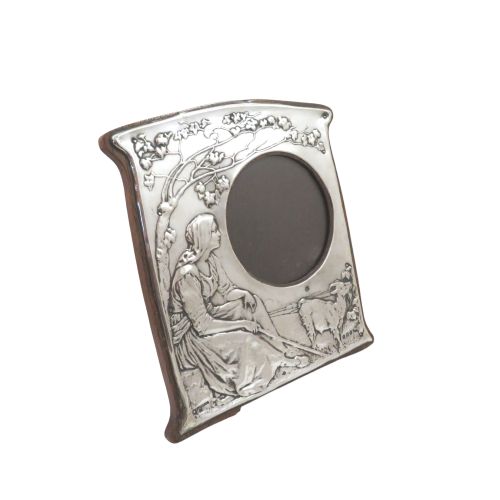
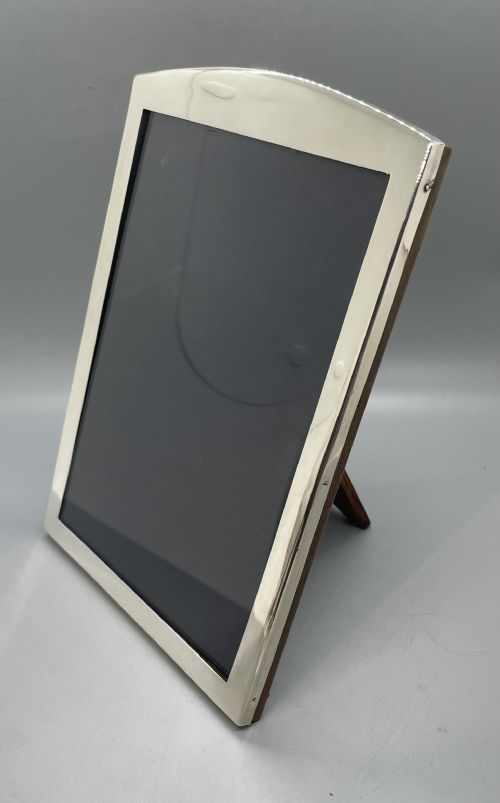
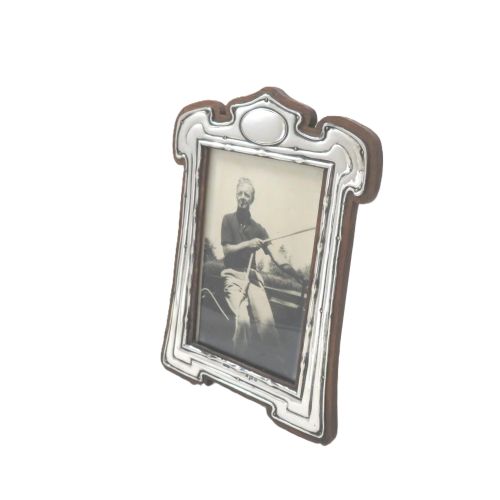
A vintage silver frame serves primarily to house photographic portraits, landscape pictures, and small works on paper behind protective glass. The pieces found across this page span multiple decades, incorporating styles from Victorian ornamentation through Edwardian floral motifs to the geometric lines of Art Deco.
Buyers will frequently encounter examples originating from the late nineteenth century up to the mid-twentieth century, constructed in forms ranging from small cabinet pieces to large display borders. These objects often include easel backs made of wood or velvet to support them upright on tables and desks.
The selections available include items produced by major silversmithing firms alongside provincial makers, reflecting diverse aesthetic preferences of the periods in which they were manufactured.
Materials and construction
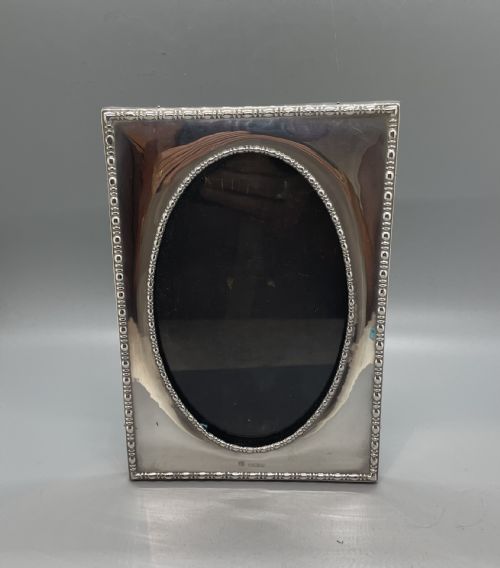
Makers utilised sterling silver and silver plate mounted over structural wooden cores, frequently incorporating glass viewing panels and supportive backing materials such as velvet or leather. Metal components were shaped using techniques like stamping, casting, and hand-embossing to produce intricate borders featuring floral, animal, or geometric designs.
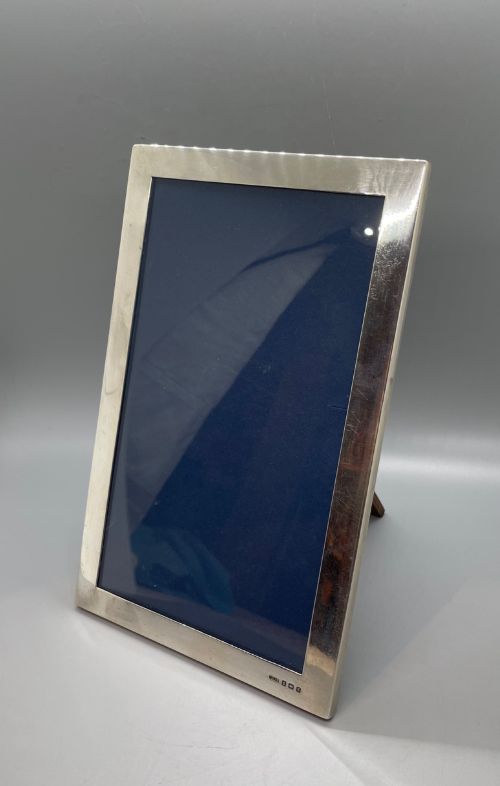
Backing structures typically rely on hinged wooden struts covered in fabric, allowing the object to stand securely on flat surfaces. Hallmarks stamped directly into the silver provide official records of the assay office, metal purity, and year of manufacture.
The listings span multiple decades of production, including Victorian, Edwardian, George V, and Art Deco periods.
Distinctions in quality
The distinction between standard and superior pieces rests upon the depth and crispness of the embossed or chased ornamentation along the border. Heavier gauge silver provides greater structural rigidity to the overall composition, whereas thinner sheets are prone to minor distortion over time.
Maker attribution also influences standing, with pieces bearing marks from recognised silversmiths demonstrating superior craftsmanship in hinge construction, corner joins, and interior wooden framing.
Rosenthal, Jacob and Co.·William Comyns·Mappin Bros·W.I. Broadway and Co.·Mappin and Webb·Asprey and Co.
The Vintage Silver Frame Glossary
- Sterling silver
- An alloy containing 92.5 percent pure silver and 7.5 percent other metals, usually copper, chosen for durability in decorative objects.
- Hallmark
- A series of official marks stamped onto precious metal items to indicate the standard of purity, the assay office, and the date of production.
- Strut
- A hinged wooden or metal support attached to the reverse of a frame to keep it upright on a surface.
- Silver gilt
- Silver that has been coated with a thin layer of gold on its exterior surface.
- Engine turned
- A decorative technique involving precise geometric patterns engraved mechanically into the metal surface.
Vintage Silver Frame: Frequently Asked Questions
How do I date a silver picture frame?
Dating relies primarily on the stamped hallmarks found on the metal border, which correspond to specific assay office date letters.
Stylistic indicators such as Art Nouveau curves or Art Deco geometry also help determine the era of manufacture.
What are the common backing materials?
Most antique and vintage examples use wooden backboards covered in dark velvet, wool, or leather to protect the rear of the photograph.
A hinged wooden strut is typically integrated into this backing to allow tabletop display.
How should I clean antique silver frames?
Cleaning requires a soft microfibre cloth and a gentle silver polish formulated specifically for antique metals to preserve delicate embossed details.
Care must be taken to avoid applying liquid polish directly to surrounding wooden or velvet backing components.
Were these frames made for specific photo sizes?
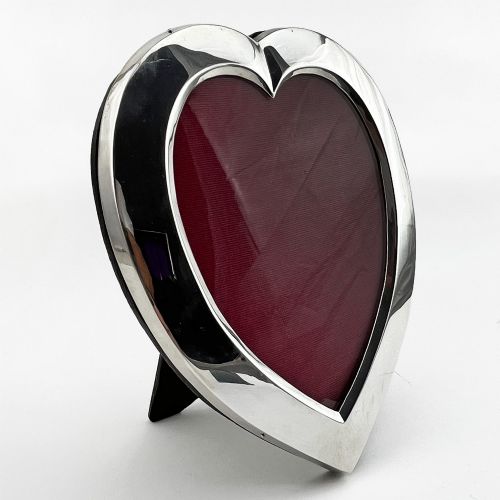
Makers produced these decorative items in varied rectangular, circular, and heart-shaped dimensions to accommodate standard portrait photographs of the period.
Custom apertures were also common for bespoke miniature paintings and family portraits.