


Silver Photograph Holder
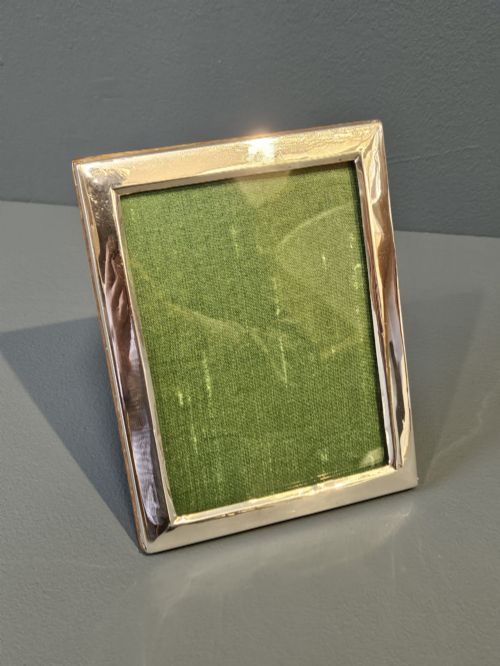
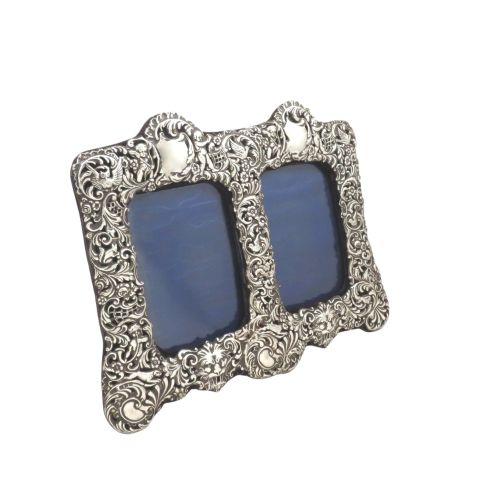
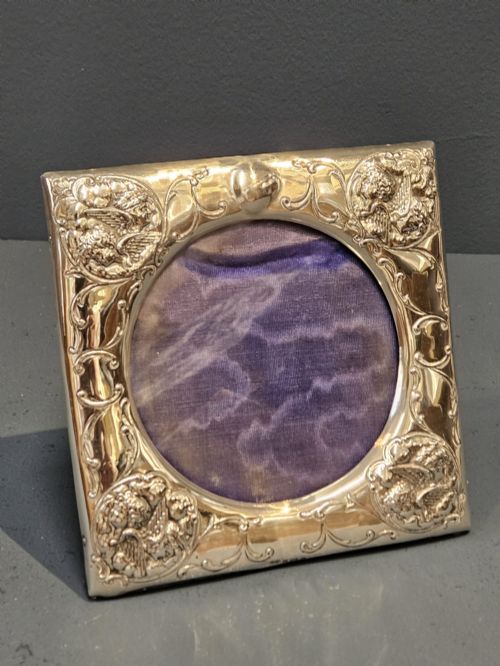
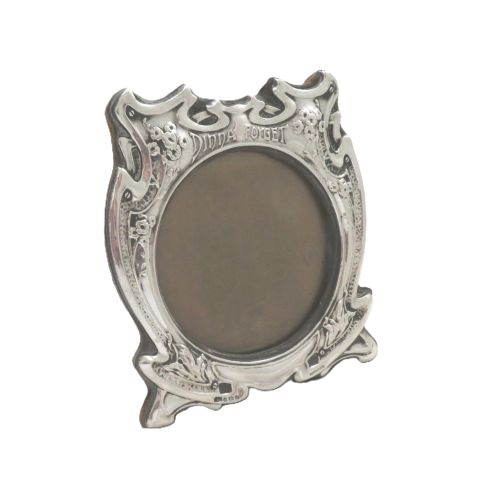
These silver photograph holder pieces offer a refined way to display portraits, combining precious metal with glass and wood.
What They Are
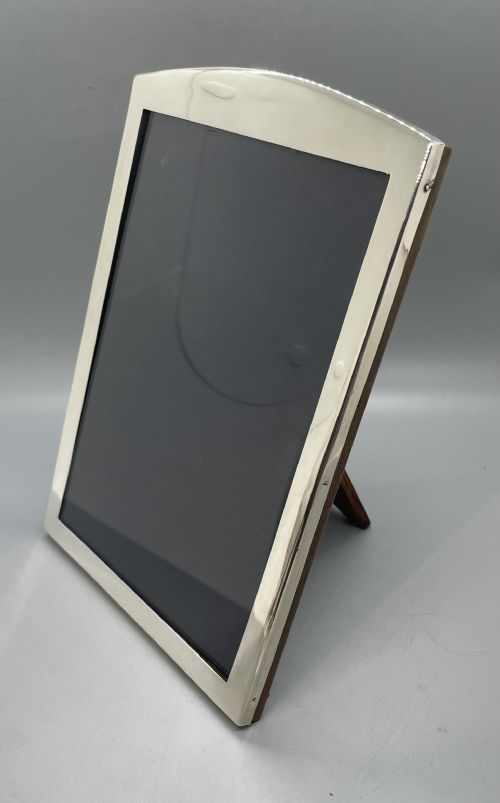
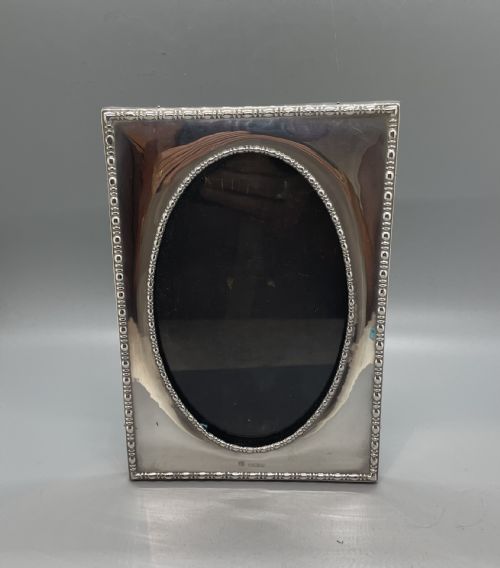
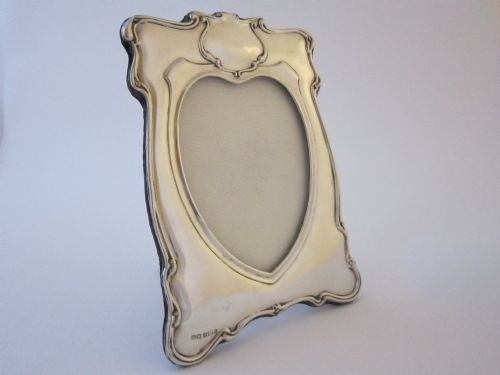
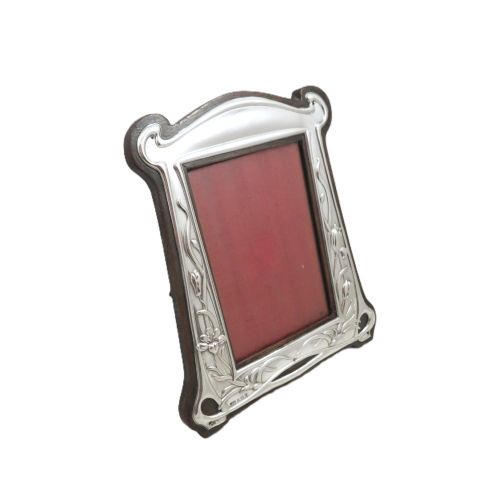
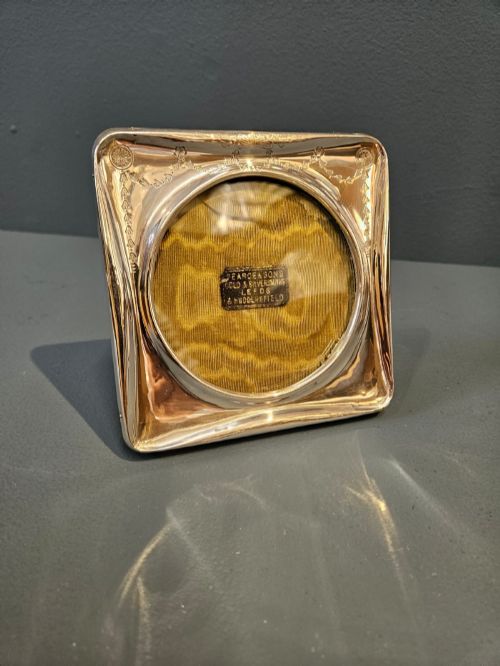
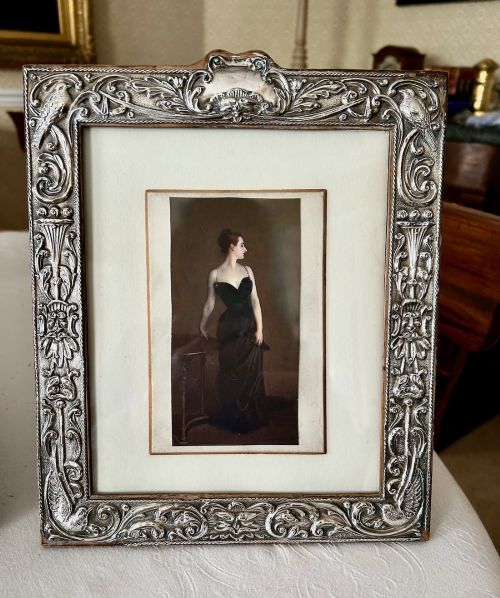
When you search for silver photograph holder, you encounter picture frames and photo frames designed to hold cherished portraits. The examples seen on this page span the Edwardian, George V, and Art Deco periods, ranging from the late nineteenth century into the nineteen-thirties.
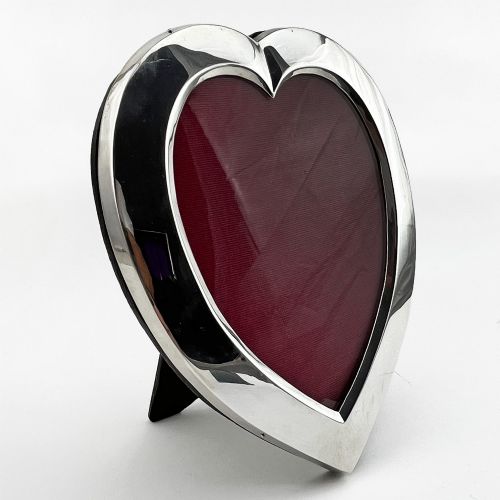
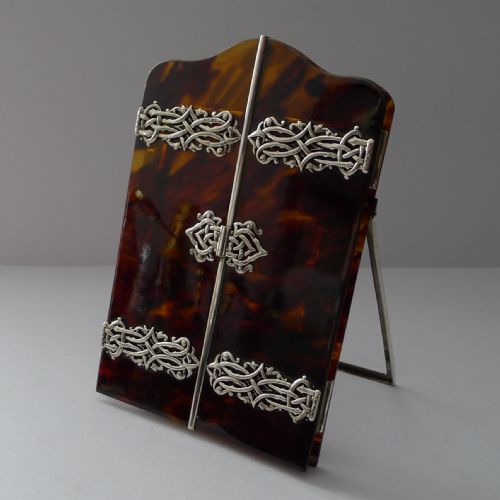
Most pieces you meet here originate from British workshops, notably represented by Birmingham assay items and the work of specific makers. They take distinct forms, including heart-shaped designs, buckle styles, and folding photograph or stamp holder frames.
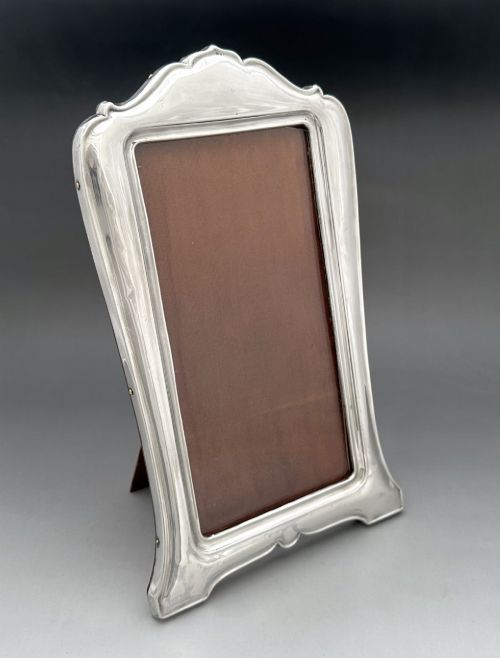
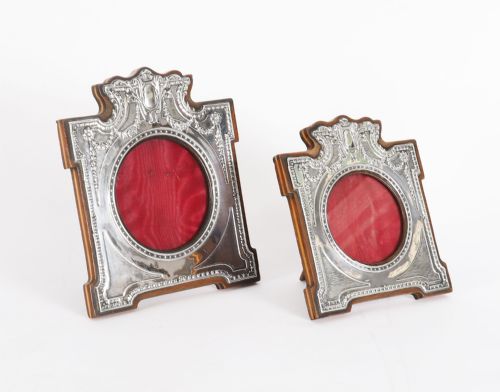
Materials combine sterling silver fronts with supportive wooden backs, fitted interiors lined in velvet, and protective glass panes. These domestic accessories served as mantelpiece or desk ornaments intended to preserve and highlight personal likenesses.
How They Were Made
These items utilise sterling silver sheet metal, shaped through pressing, stamping, or hand-forming to create decorative borders and sculptural motifs like hearts and buckles. Makers mounted the metal shell securely onto wooden backings to provide structural rigidity.
Velvet linings were fitted inside the frames to cushion the glass and photographs, while hinged struts allowed the pieces to stand upright on surfaces. Folding designs incorporated working metal hinges to connect multiple panels for portability or dual use.
Retail Price Guide 2026
Typical UK retail prices for silver photograph holder, calculated from the Sellingantiques database of over a million retail prices indexed since 2003. This retail price guide relies exclusively on Sellingantiques data; no external sources or auction records are used, so the figures do not describe the wider market.
Listings feature sterling silver, wood, velvet, and glass across Edwardian, George V, and Art Deco styles.
What Varies in Quality
The distinction between standard examples and superior pieces rests on the complexity of the metalwork and the crispness of the chased or embossed detail. Finer specimens display deeply defined patterns, such as intricate buckle motifs or smooth heart outlines, executed with notable precision.
The integrity of the structural materials also defines the grade of a piece, particularly the quality of the timber backing, the richness of the internal velvet, and the retention of original glass. Maker attribution further elevates an object, as signed pieces from prominent workshops demonstrate superior craftsmanship.
William Comyns
The Silver Photograph Holder Glossary
- Sterling silver
- A silver alloy containing 92.5 percent pure silver by mass, forming the primary metal body of these frames.
- Edwardian
- Pertaining to the period of the reign of King Edward VII, spanning from 1901 to 1910, often reflected in lighter decorative styles.
- George V
- Referring to the era of King George V, covering the years from 1910 to 1936, marked by specific hallmarks and period aesthetics.
- Art Deco
- A design style popular during the 1920s and 1930s, characterised by geometric forms and streamlined shapes.
- Assay
- The process of testing precious metals for purity, resulting in hallmarks that indicate the place and year of origin.
Frequently Asked Questions
What is a silver photograph holder?
A silver photograph holder is a decorative frame made from sterling silver, designed to display and protect portrait photographs on desks or mantelpieces.
These pieces typically combine a silver front with a wooden back, glass pane, and velvet lining.
How do I date a silver frame?
Dating these items involves examining the hallmarks stamped into the silver, which indicate the assay office and the year of manufacture.
Stylistic cues, such as Edwardian heart motifs or Art Deco geometric lines, also point to specific periods between 1890 and 1930.
Were these frames used for stamps?
Some dual-purpose folding examples were constructed to hold both photographs and postage stamps, reflecting the multi-functional desk accessories of the era.
These folding formats allowed owners to keep small paper goods neatly organised alongside a portrait.
How should I clean silver frames?
Cleaning requires a soft cloth and a gentle silver polish specifically formulated for precious metals to avoid damaging the embossed details.
Care must be taken to keep moisture away from the wooden backs and velvet interiors during the polishing process.