
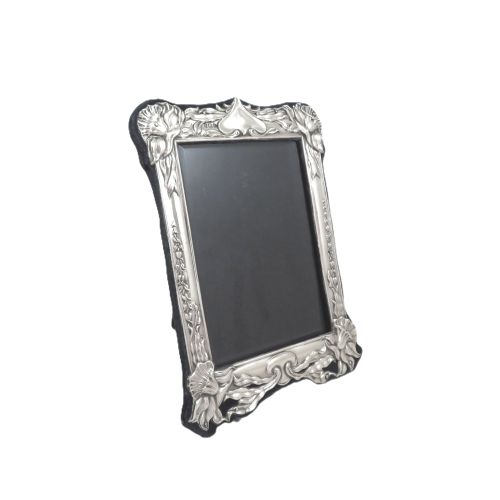


Art Nouveau Portrait Frame
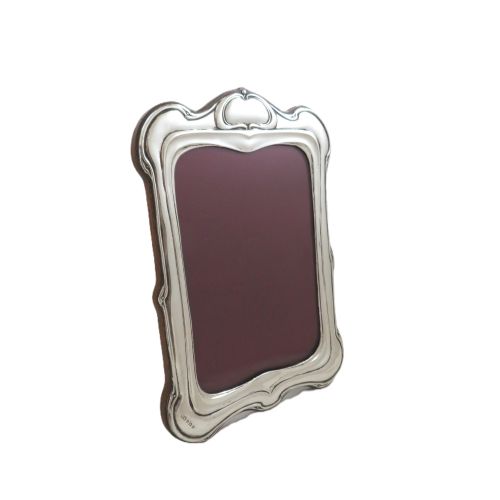
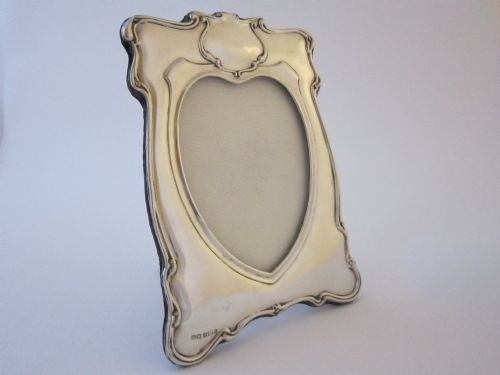
An art nouveau portrait frame brings sweeping organic lines to the desk, turning a simple photograph into a decorative centrepiece.
Art Nouveau Portrait Frame
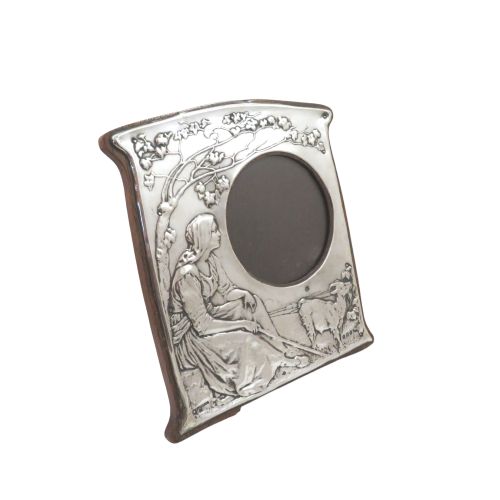
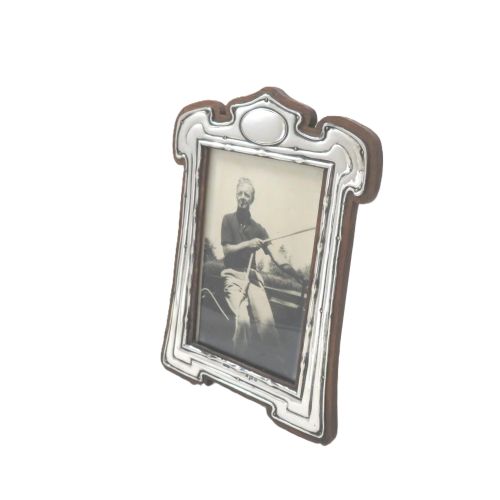
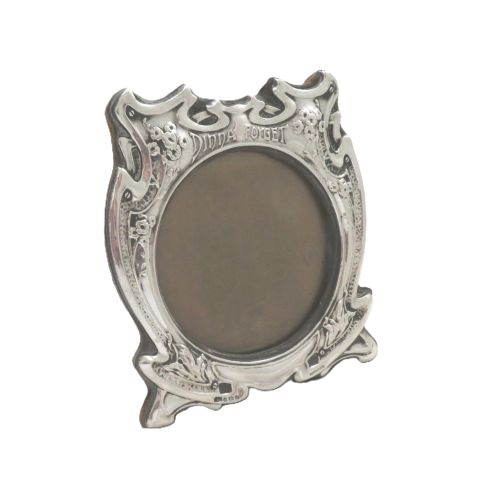
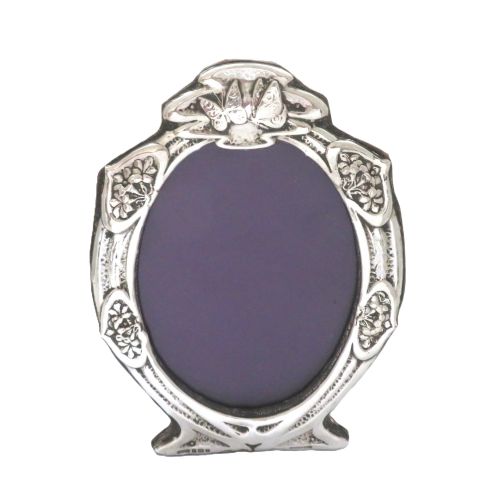
When buyers search for an art nouveau portrait frame, they encounter items produced primarily around the turn of the twentieth century. These pieces display distinct natural motifs, flowing floral tendrils, and asymmetrical contours typical of the period.
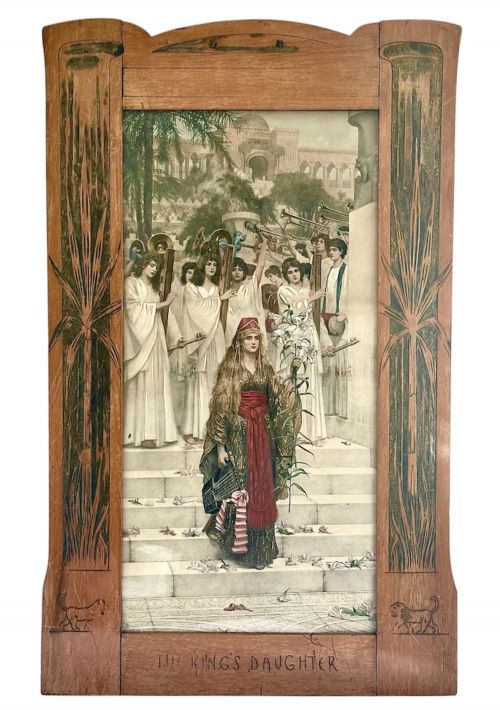
The selections available here span forms such as standing photograph frames alongside framed watercolours and prints. Sterling silver and brass serve as the primary structural materials for these domestic objects.
Makers drew on the wider Arts and Crafts and Pre-Raphaelite movements, producing pieces that function equally as decorative works of art. The surviving examples reflect both Edwardian and Victorian manufacturing traditions.
Distinctions in craftsmanship
The refinement of the chased and embossed metalwork separates standard production items from finer studio pieces. Depth of relief and clarity in floral or figurative motifs indicate the skill of the original maker.
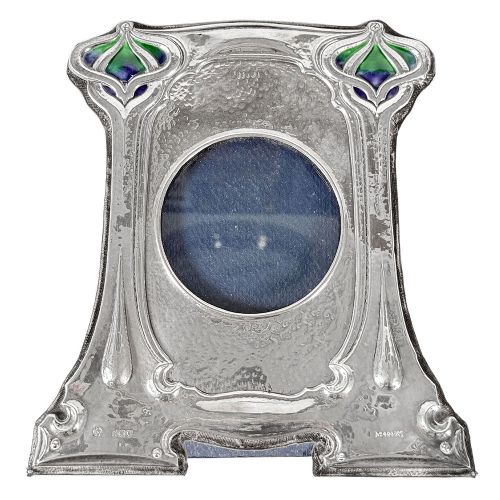
The integrity of the structural joinery and the preservation of original backing materials influence the overall condition. Pieces retaining intact enamel work and clear hallmarks demonstrate higher degrees of original craftsmanship.
Materials recorded across the inventory include sterling silver, brass, enamel, velvet, paper, and glass.
William Hutton and sons
The Art Nouveau Portrait Frame Glossary
- Planished
- A surface texture created by hammering metal with a polished round-faced tool, leaving subtle facets across the silver or brass. This technique shows hand-working by the metalsmith.
- Sterling silver
- An alloy consisting of ninety-two point five percent silver and seven point five percent other metals, usually copper. This standard composition provides durability for decorative domestic items.
- Embossed
- A technique where design elements are raised above the surrounding background surface using punches and hammers from the reverse side. It creates high-relief ornamentation on picture frames.
- Photogravure
- An intaglio printing process that uses a photographic negative transferred to a copper plate to produce rich tonal images. It yields fine photographic reproductions popular in early twentieth-century publishing.
Art Nouveau Portrait Frame: Frequently Asked Questions
What materials were used for these frames?
Sterling silver and brass form the primary structural housings for the photographic portraits. Enamel accents appear on specific studio pieces to introduce vibrant colour.
Interior components include glass to protect the image, backed by wood, heavy paper, velvet, or fabric. Easel stands attached to the rear allow the frames to rest securely on flat surfaces.
How were these portrait frames displayed?
Owners placed these objects on writing desks, mantelpieces, and drawing-room tables to display photographs of family members. The decorative backs allowed them to be viewed from multiple angles within a room.
Some pieces were designed to be wall-mounted rather than standing on a horizontal surface. Their primary function was to merge personal remembrance with interior decoration.
How do I care for antique silver frames?
Gentle dusting with a soft, dry cloth preserves the metal surface without wearing down embossed details. Chemical silver dips should be avoided to prevent damage to underlying patination and delicate enamel work.
Keeping the frames away from direct moisture and extreme temperature fluctuations protects the fragile wood and velvet backings. Professional advice helps maintain pieces containing delicate applied materials.