




Antique Frame for Canvas
An antique frame for canvas brings together centuries of woodwork and oil painting, housing historic portraits and landscapes that anchor a room.
Antique Frame for Canvas
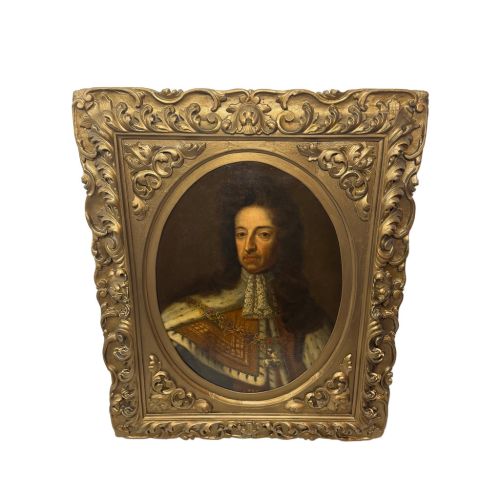
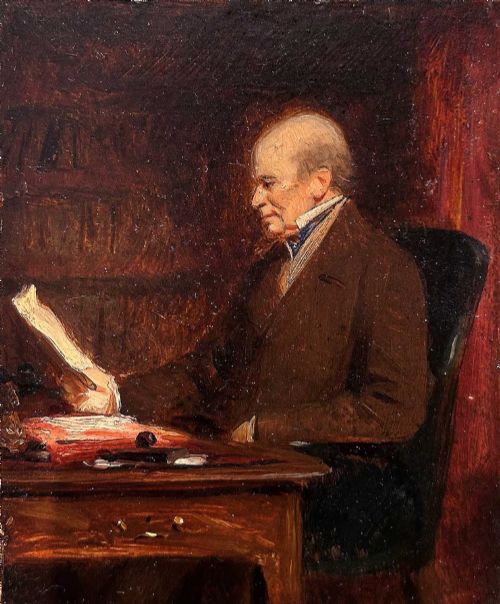
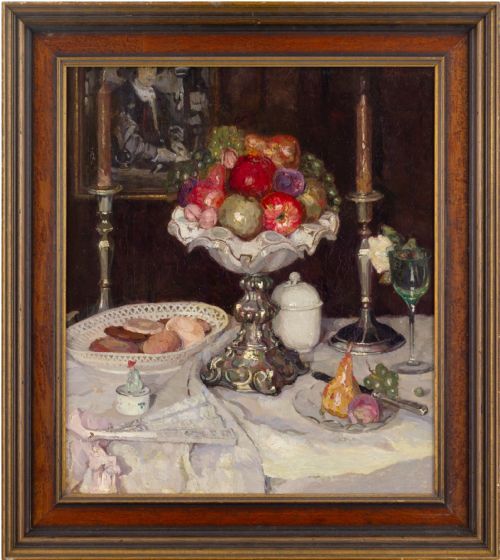
When searching for an antique frame for canvas, a buyer encounters oil paintings spanning from the seventeenth century through the Victorian era and mid-century periods. These works include portraits of noblemen, rural landscapes, sporting scenes, and still lifes rendered in oil on canvas.
The objects listed on this page predominantly combine historic oil paintings with their period housings, predominantly constructed from wood and finished with gold leaf. Subjects range from seventeenth-century nobility to nineteenth-century animal studies and maritime views.
The selection reflects diverse European traditions, including the Dutch School, French Baroque, and English portraiture. Each piece offers a window into past aesthetic preferences, preserved within its original or contemporary wooden surround.
How they were made
Makers constructed these housings from timber substrates, applying layers of gesso to create a smooth surface for ornamentation. Artisans then applied gold leaf or giltwood finishes to achieve the characteristic metallic sheen seen across the periods.
Canvases were stretched over wooden frames and secured before artists applied oil paint layers. The decorative surrounds often incorporated carved wooden moulding, reflecting the Baroque, Regency, or Victorian styles of their respective eras.
Antique Frame for Canvas Retail Price Guide 2026
Typical asking prices for frame for canvas among the pieces listed under this phrase on Sellingantiques today, from the lower quarter to the upper quarter. They describe what is for sale here now, not the wider market.
Listings feature works spanning from the seventeenth century through to the mid-twentieth century, executed in oil on canvas.
What varies in quality
Quality separates through the depth of hand-carved detail on the wooden moulding and the purity of the gilding technique. Superior examples display crisp joinery and sophisticated ornamentation that harmonises with the scale of the canvas.
The skill of the brushwork and the preservation of the oil paint surface determine the standing of the artwork within its surround. Higher-grade pieces maintain their original canvas tension and retain the intended luminosity of the pigments.
Sir Godfrey Kneller·Sir Peter Lely·Charles Jervas·Jacob Philipp Hackert·Hyacinthe Rigaud
The Antique Frame for Canvas Glossary
- Giltwood
- Wood carved and covered with a thin layer of gold leaf or gold paint. This finish creates a reflective, decorative border around the canvas.
- Oil on canvas
- Pigments mixed with a drying oil binder applied to a woven fabric support. This medium allows for rich colour blending and textured brushwork.
- Baroque
- An artistic style originating in the seventeenth century characterised by dramatic movement and exuberant detail. Mouldings from this period often display bold, sculptural relief.
- Regency
- A British design period spanning the early nineteenth century known for classical restraint and elegance. Frames from this era typically feature clean lines alongside refined ornamentation.
Antique Frame for Canvas: Frequently Asked Questions
How do I date an antique canvas?
Dating relies on examining the stretcher construction, the weave of the canvas, and the style of the oil painting. Pigment analysis and historical dress clues within portraits also help narrow the decade.
Matching the stylistic markers of the woodwork to documented periods provides a reliable secondary indicator of age.
Are these oil paintings on original canvas?
Many surviving works remain on their original fabric supports, though some older pieces have undergone relining to ensure structural stability over centuries.
Inspect the reverse of the stretcher to observe the condition of the weave and any historic stamps or labels.
How should I hang an oil painting?
Hang paintings away from direct sunlight and fluctuating heat sources to protect both the oil pigments and the wooden backing. Secure the weight using appropriate wall fixings rated for heavy wooden surrounds.
Ensure the hanging wire or brackets are fastened securely to the vertical members of the stretcher rather than the decorative moulding.
What is the Dutch School style?
The Dutch School encompasses seventeenth-century painting traditions focused on realistic portraiture, dramatic marine scenes, and detailed domestic interiors. These works often employ subtle lighting effects and precise brushwork.
Surrounds from this tradition tend to be dark, polished wood or rich gesso profiles that complement the deep tones of the palette.