



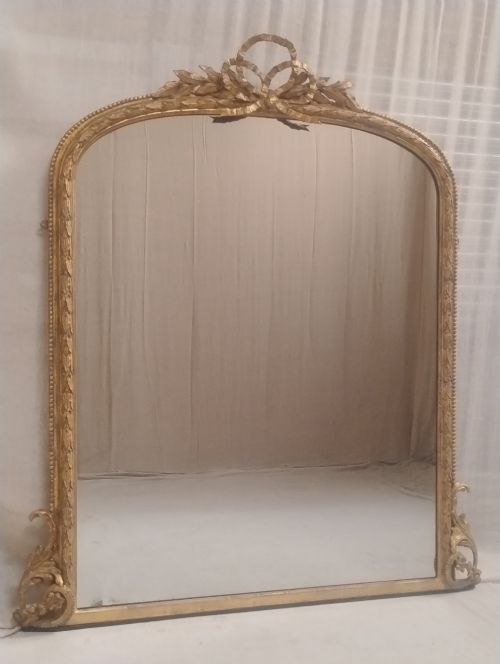
Victorian Giltwood Frame
When you search for a victorian giltwood frame, you are looking at nineteenth-century decorative moulding designed to hold mirrors, paintings or prints.
Victorian Giltwood Frame
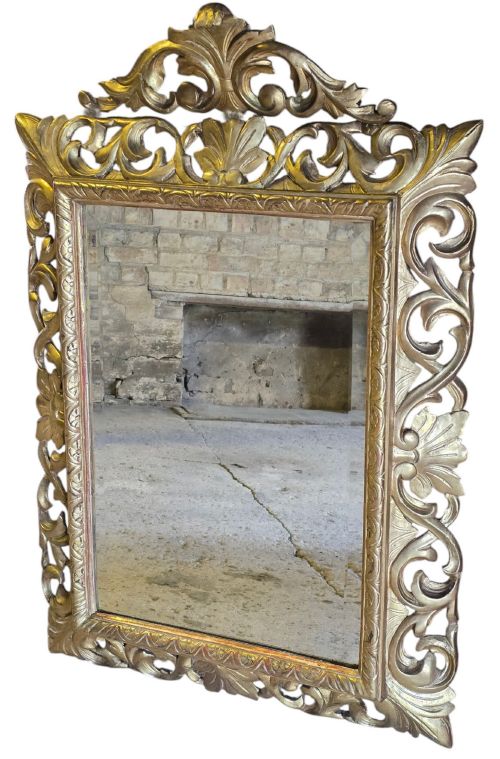
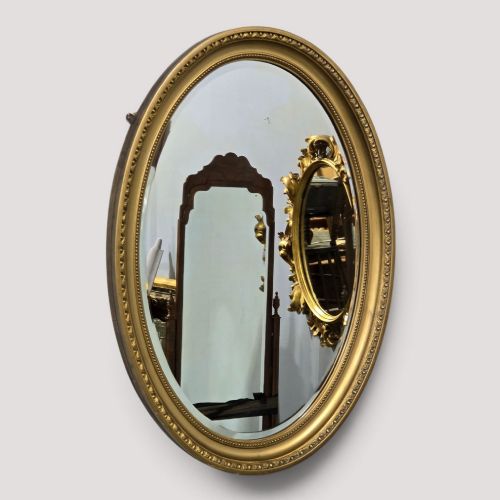
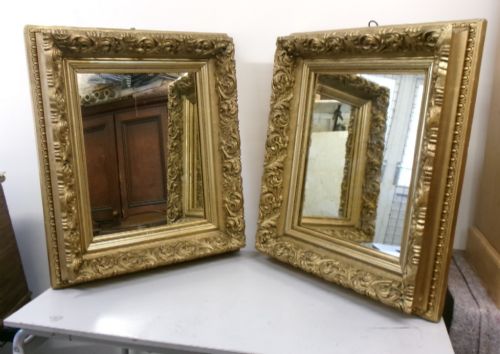
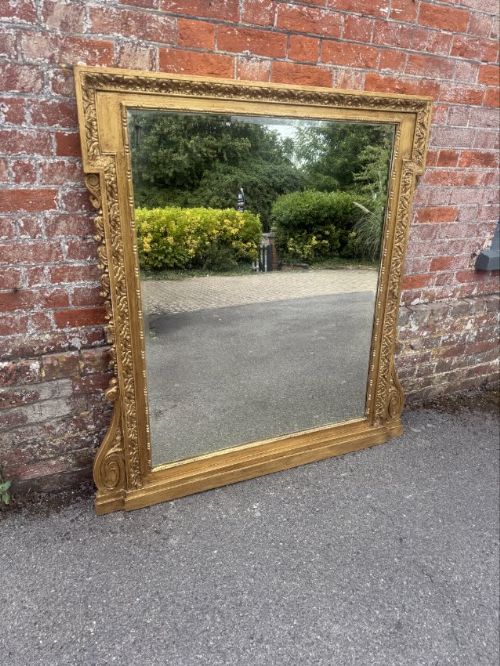
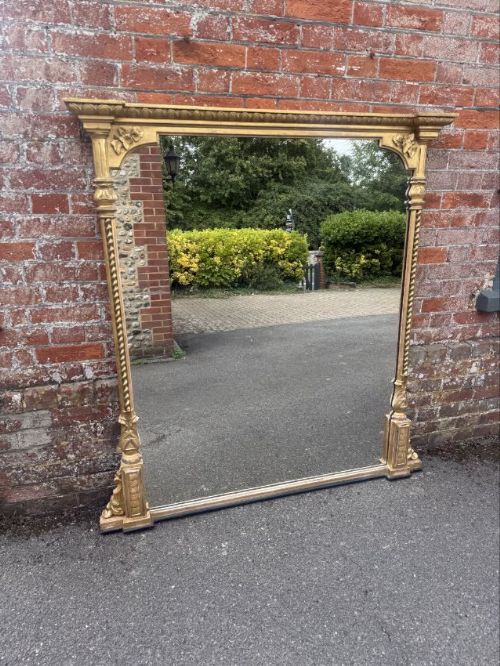
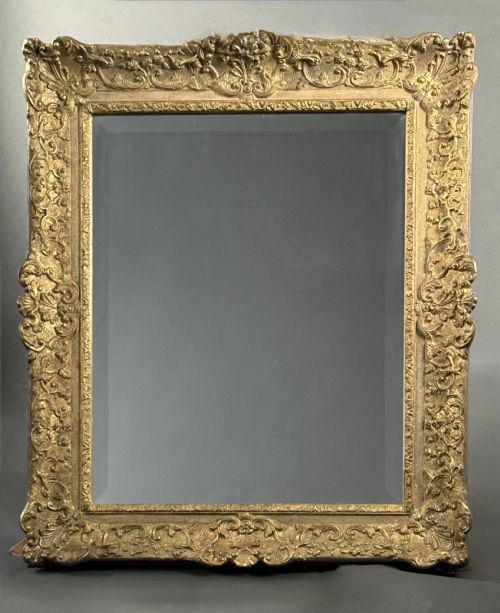
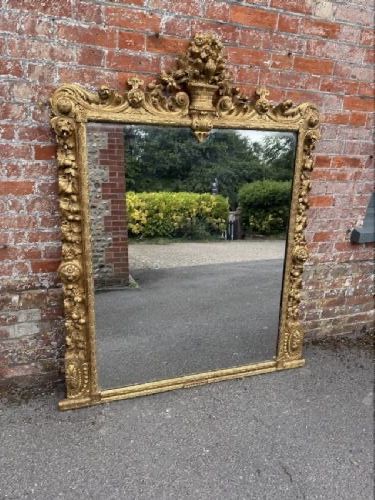
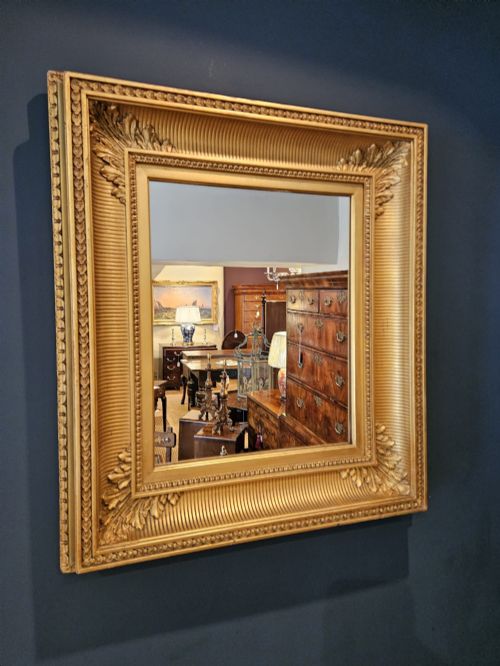
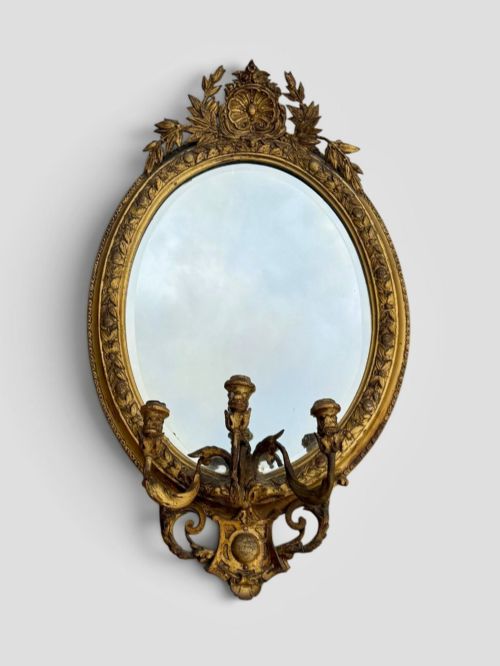
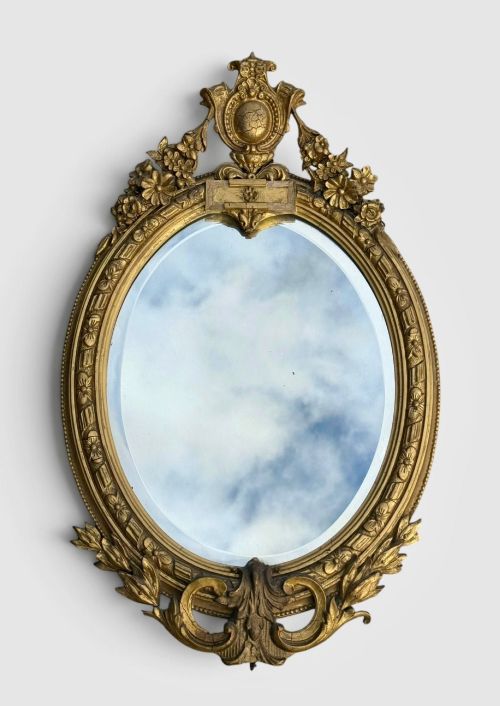
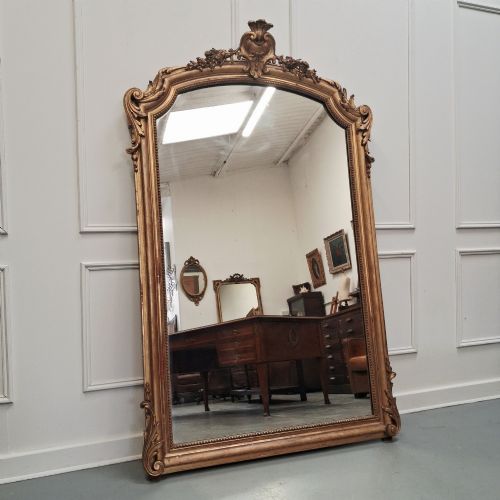
A victorian giltwood frame encompasses substantial wall mirrors, overmantels, picture frames and pier glass mirrors produced during the nineteenth century. The most common forms met here are large overmantel mirrors and decorative wall mirrors featuring rich mouldings.
Makers and artisans of the period drew upon various design movements, producing pieces in Rococo Revival, French Chateau, Florentine and classical styles. These objects served to illuminate and enlarge nineteenth-century interiors by reflecting natural light across principal rooms.
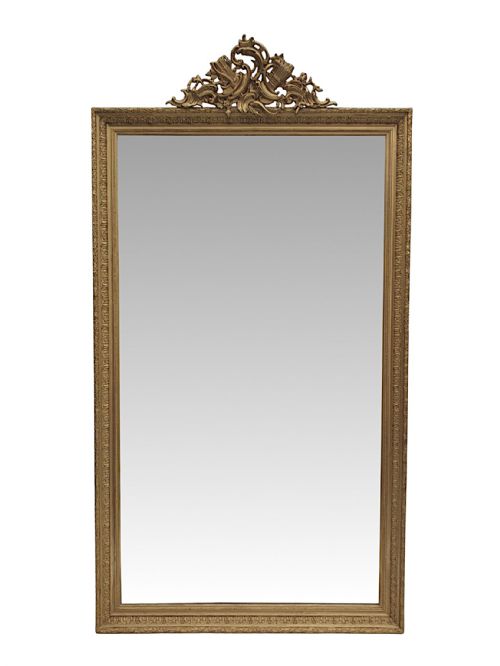
Many examples house original glass plates, occasionally showing foxing, alongside oil paintings, needlepoints or advertising prints. The selection ranges from restrained rectangular profiles to heavy, deeply carved swept frames.
How they were made
Carved wooden substrates form the structural core of these pieces, often shaped from timber before receiving detailed ornamentation. Artisans applied layers of gesso to the wood to build up relief decoration such as acanthus leaves, rope twists and tulip motifs.
Giltwood surfaces were achieved through the application of gold leaf or gilding over the prepared gesso and wood ground. Composition ornament, a mouldable mixture, was frequently pressed into shape and applied to speed the creation of repetitive decorative elements.
Listings feature 19th-century materials including glass, giltwood, gesso, composition and gold leaf across wall mirrors and oil paintings.
What varies in quality
The depth and crispness of the carved detail distinguish standard production from superior examples. Hand-carved wooden elements show sharper undercut relief and greater definition than mass-pressed composition mouldings.
The integrity of the original gilt surface and the condition of the glass plate influence the character of each piece. Intricate frames retain their structural joinery firmly beneath layers of historical gilding.
Eugène Verboeckhoven·Walter Heath Williams·Thomas Sidney Cooper
The Victorian Giltwood Frame Glossary
- Giltwood
- Timber coated with gold leaf or metallic gilt powder. This finish creates the bright reflective surface characteristic of formal nineteenth-century mirrors and picture frames.
- Gesso
- A plaster-like mixture of gypsum and binder applied to wooden frames. Artisans carved and moulded this substance to form raised decorative motifs before gilding.
- Overmantel mirror
- A large horizontal mirror designed to sit directly above a fireplace mantel. These pieces frequently feature arched tops and extensive frame decoration.
- Foxed glass
- Mirror plates showing spots, speckles or discoloration caused by the degradation of the silver backing over time. This ageing process is valued by collectors for its authentic antique appearance.
- Pier glass
- A tall mirror intended to hang on the narrow section of wall between two windows. They often appear in matching pairs within nineteenth-century interiors.
Victorian Giltwood Frame: Frequently Asked Questions
How do I hang a heavy overmantel mirror?
Large overmantel mirrors require substantial wall fixings anchored directly into masonry or heavy timber studs. Due to their considerable weight, professional installation using reinforced brackets is strongly recommended.
Position the mirror at a height that complements the proportions of the fireplace and the surrounding room. Ensure the weight is distributed evenly across multiple secure points rather than a single wire.
Are foxed mirror plates considered damage?
Foxing represents natural oxidation of the silver backing accumulated over decades or centuries. Many collectors prize this distinct mottling as proof of genuine age.
Replacement of the glass plate removes this historical character. When living with foxed glass, expect softer reflections that contribute to a warm interior atmosphere.
How do I clean a giltwood frame?
Giltwood surfaces demand gentle maintenance to protect fragile gold leaf and gesso. Dust the carved recesses regularly using a very soft, dry brush.
Avoid liquid cleaners, chemical sprays or abrasive cloths which strip the metallic finish from the wood. Professional restoration should be sought if the gesso begins to flake.
What is the difference between Rococo Revival and classical styles?
Rococo Revival frames feature asymmetrical scrolls, C-scrolls, acanthus leaves and naturalistic plant motifs. The overall aesthetic prioritises flowing, organic movement and decorative exuberance. nClassical and Regency styles rely on symmetry, architectural columns, beaded borders and geometric precision. These designs draw direct inspiration from ancient Greek and Roman architecture.