

Gold Gilt Frame
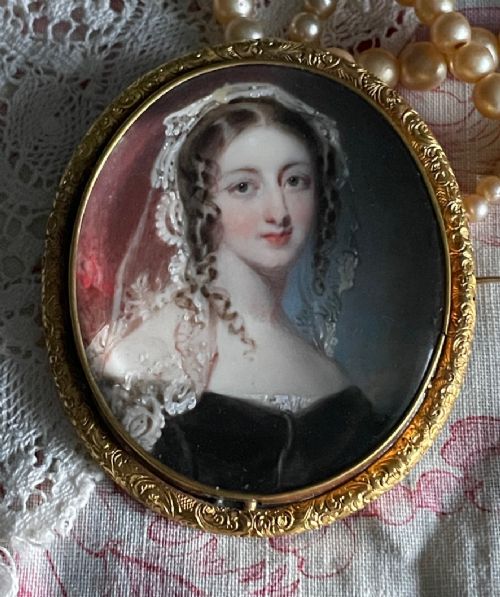
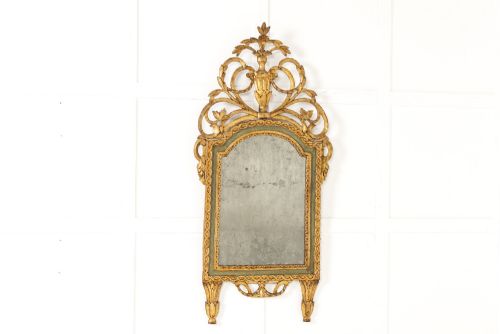
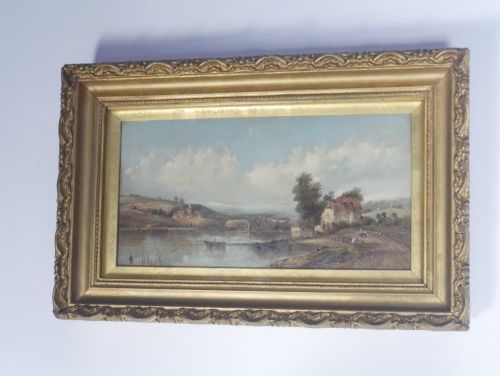
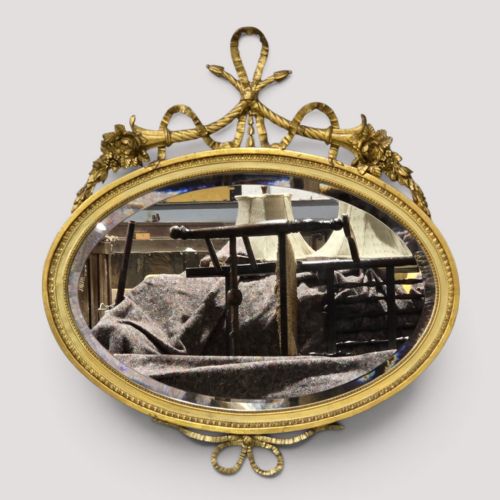
A gold gilt frame brings immediate warmth and historical depth to oil paintings, portraits, and wall mirrors alike.
Gold Gilt Frame
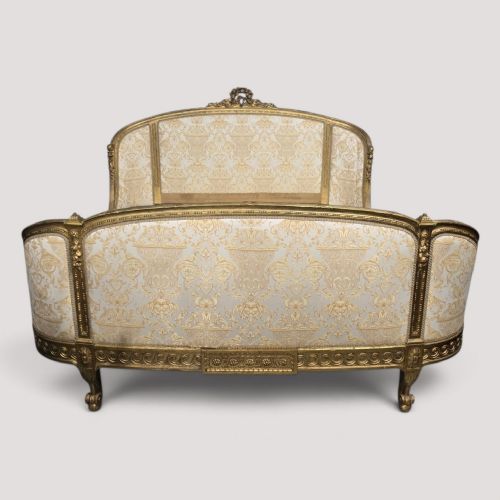
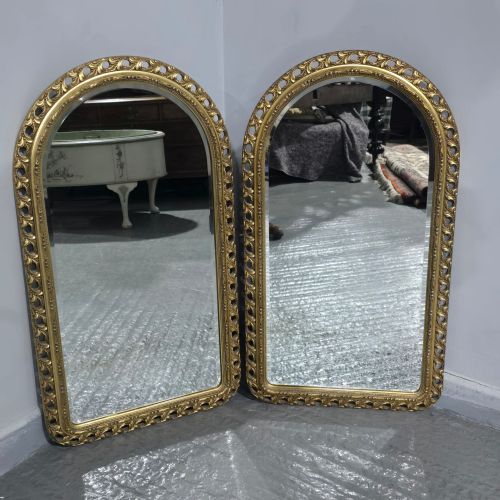
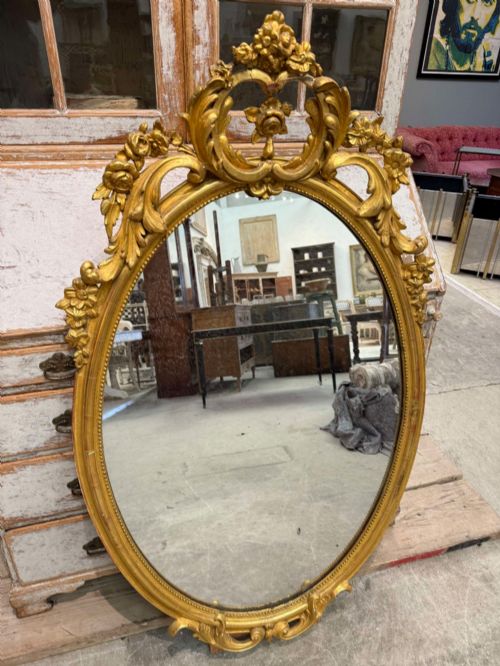
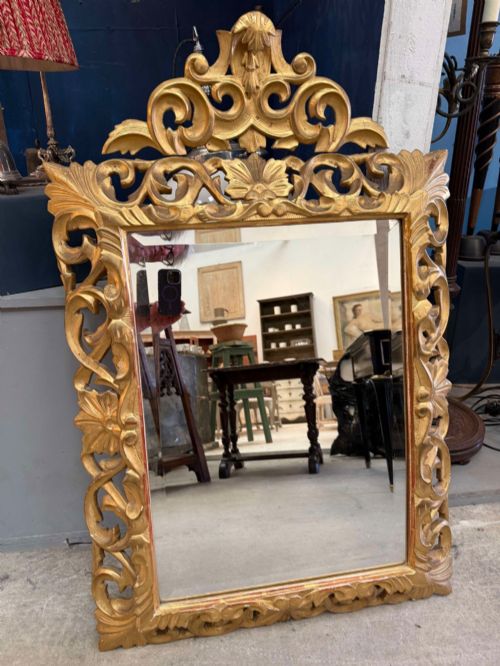
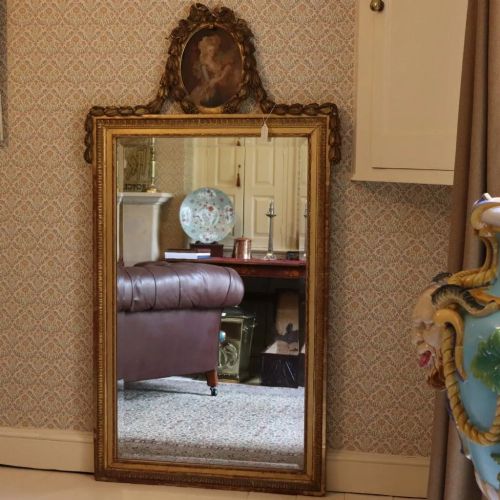
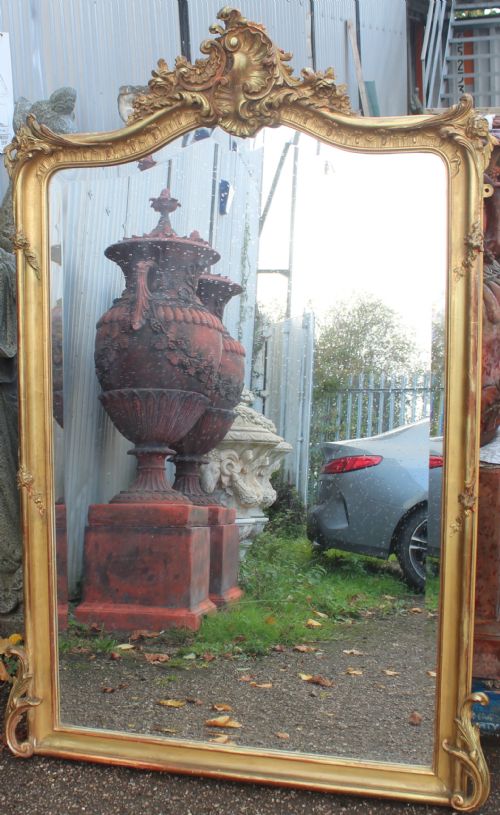
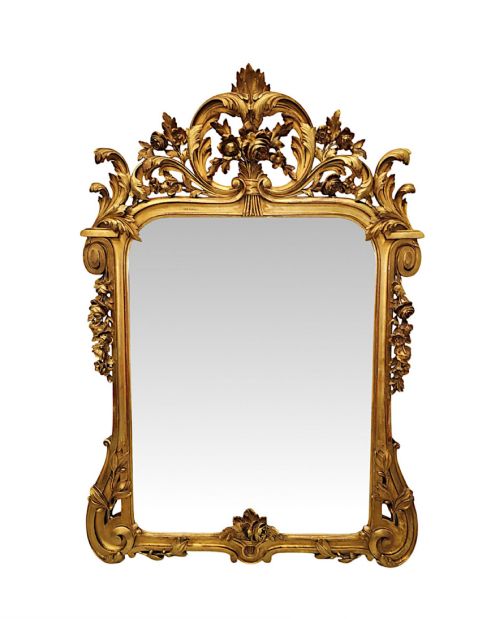
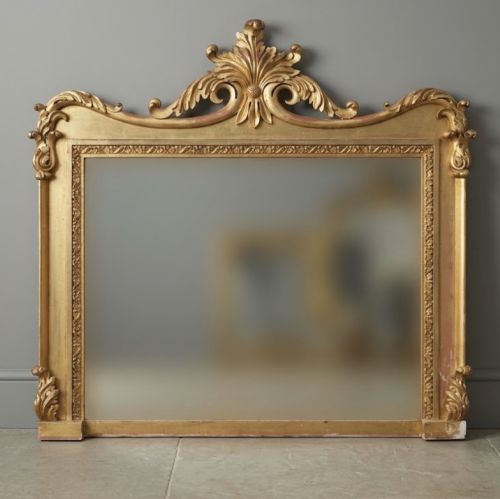
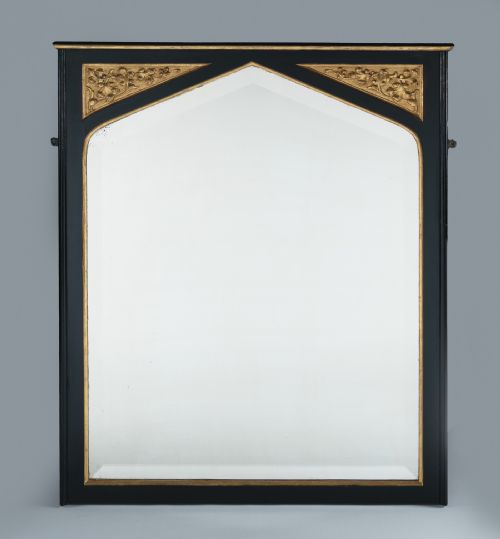
When exploring a gold gilt frame, buyers encounter a diverse selection spanning centuries of craftsmanship, from seventeenth-century English and Flemish woodwork to nineteenth-century Victorian overmantel and pier mirrors. These pieces primarily take the form of heavy picture surrounds or architectural wall mirrors designed to anchor a room.
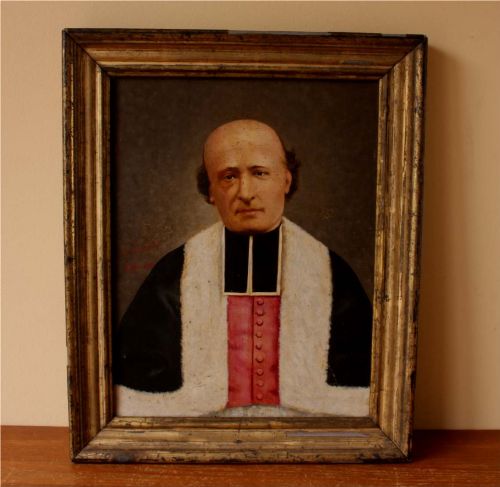
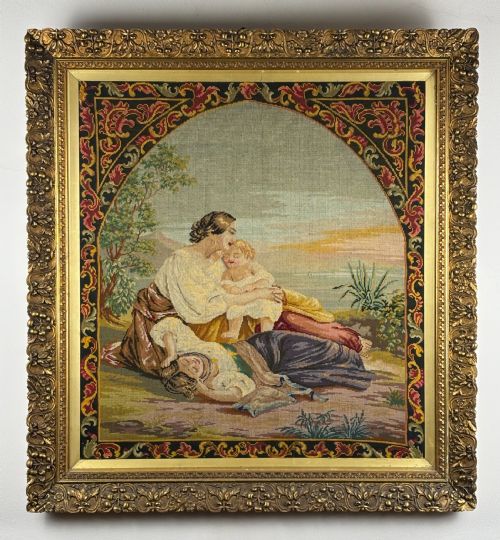
The most common versions met on this page include nineteenth-century Victorian gesso and wood mouldings alongside French Rococo and Florentine decorative styles. Many of these surrounds house original oil paintings, watercolours, or antique glass plates, preserving the complete historical object.
Origins range widely across English, French, and Italian workshops, reflecting distinct regional tastes in carving and ornamentation. Whether selecting a modest oval photo holder or a monumental overmantel piece, each category offers a tangible connection to historical interior aesthetics.
Materials and Construction
Makers constructed the foundational structure using carved wood, frequently applying layers of gesso to build up intricate relief ornaments, scrolls, and floral motifs. Artisans then laid delicate gold leaf or applied liquid gilding over the prepared surface to achieve a brilliant metallic sheen.
Surrounds often incorporate glass plates for mirrors or canvas and panel substrates for fine art, secured with traditional backing methods. Construction techniques varied from hand-carved solid timber frames to moulded composition details pinned onto wooden carcasses.
Gold Gilt Frame Retail Price Guide 2026
Typical asking prices for gold gilt frame among the pieces listed under this phrase on Sellingantiques today, from the lower quarter to the upper quarter. They describe what is for sale here now, not the wider market.
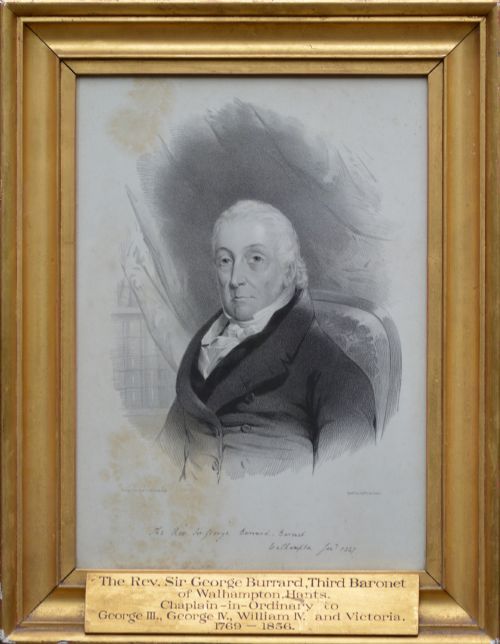
Several portraits preserve the likenesses of long-forgotten gentlefolk, architects, and earnest dogs sharing the exact same gilded room.
Evaluating Craftsmanship
Quality in a gold gilt frame rests upon the depth and crispness of the carved or moulded ornamentation, where sharp acanthus leaves and clean corners distinguish superior work from softer, mass-produced variants. The integrity of the underlying gesso layer and the skill applied during the gilding process dictate how well the surface catches and reflects light.
The choice between hand-carved timber and moulded composition ornament significantly alters the character and prestige of the piece. Superior examples exhibit harmonious proportions between the moulding profile and the artwork or mirror plate it accompanies.
Charles Nosotti·Sir Joshua Reynolds·Joseph Clover·Sir Godfrey Kneller
The Gold Gilt Frame Glossary
- Giltwood
- Timber that has been coated with gold leaf or a gold-coloured metallic finish. This material forms the primary structural base for many high-end historical frames.
- Gesso
- A plaster-like mixture applied to wood frames to create a smooth surface for carving intricate relief decoration. Artisans apply multiple layers before the gilding process begins.
- Overmantel Mirror
- A large wall glass designed specifically to hang above a fireplace mantelpiece. These pieces frequently feature ornate architectural crests and extensive gilded detail.
- Rococo
- An elaborate decorative style characterised by asymmetrical curves, scrollwork, and naturalistic plant motifs. Frames of this design often feature heavily swept corners.
- Trumeau
- A decorative wall mirror paired with an oil painting or panel artwork positioned above the glass. Originating in France, these dual-purpose pieces serve as integrated wall panels.
Gold Gilt Frame: Frequently Asked Questions
How do I hang a heavy gilt mirror safely?
Heavy carved wood and gesso frames require robust wall fixings anchored directly into structural studs or masonry. Using heavy-duty picture wire attached securely to original D-rings ensures the weight distributes evenly.
Consulting a professional installer provides peace of mind when mounting large overmantel pieces. Ensuring the wall brackets match the substantial weight of the timber prevents structural strain.
Can I put a modern mirror in an antique frame?
Placing a modern mirror glass into an antique gold gilt frame is entirely possible and often done when the original plate has degraded beyond repair. Many historical surrounds were originally designed to house interchangeable canvases or mirrors.
Selecting a glass thickness that matches the original rebate ensures the panel sits securely within the moulding. This approach allows damaged or empty frames to find a new functional purpose in contemporary interiors.
How should I clean a gilded frame?
Dusting a gilded surface requires a very soft dry brush or a feather duster to remove surface particles without disturbing fragile gold leaf. Moisture and modern cleaning chemicals damage historical gilding and should be avoided entirely.
Professional conservators handle deeper cleaning when accumulated grime obscures the detail of the gesso. Gentle maintenance preserves the delicate metallic layers for future years.
How do I date an antique gilt frame?
Dating relies on examining the construction joints, the composition of the gesso, and the style of the decorative motifs such as Victorian rococo scrolls or Georgian reeding. Tool marks on the reverse timber and the type of fixings also offer reliable clues to the period of origin.
Comparing the moulding profile to documented historical styles helps narrow down the decade of production. Original backing boards and historical labels further confirm the age of the piece.